├── news
└── readme.md
├── tutorial
└── readme.md
├── to_be_claimed
├── readme.md
├── Google-finally-acknowledges-Fuchsia-OS-says- its-just-an-experiment.md
├── google-will-soon-bid-goodbye-to-android-and-chrome-os-here-comes-the-fuchsia-os.md
├── google-says-fuchsia-os-is-mostly-just-a-playground-for-future-technologies.md
└── google-opens-up-about-plans-for-their-fuchsia-os.md
├── story
├── readme.md
├── Fuchsia Friday_ FIDL——Fuchsia的罗塞塔石碑-659525.md
├── 谷歌终于谈论起其神秘的 Fuchisa 操作系统.md
├── Fuchsia有无数种可能,但绝不是下一个Android.md
├── Fuchsia Friday_一切皆实体-AlexLixin.md
├── 谷歌的FuchsiaOS&它相对于安卓的优势-Firecckk.md
├── Fuchsia Friday_ Maxwell和Fuchsia的秘密“特工”.md
├── Fuchsia Friday-Flutter是如何给Fuchsia铺平道路的.md
├── Fuchsia OS 遇见 Chrome ——至少是一个基本的Chromium版本.md
├── Bloomberg_ “Fuchsia”项目-Google正在悄悄的研发Android的继任者 - JadeToStone.md
├── 谷歌新操作系统 Fuchsia,你需要知道的都在这里 - hzcyf.md
└── Google Fuchsia OS 发布日期,新闻与传言-Arktische.md
├── processing
├── .DS_Store
├── Fuchsia-OS-officially-exists-but-not-as-you-may-think-firecckk.md
└── Fuchsia Friday_Graphics, Gaming, and VR (Oh my!)-659525.md
├── README.md
└── talk
└── 许中兴博士演讲:Fuchsia OS 简介及幻灯片下载.md
/news/readme.md:
--------------------------------------------------------------------------------
1 | 本目录收录Fuchsia有关的新闻翻译
2 |
--------------------------------------------------------------------------------
/tutorial/readme.md:
--------------------------------------------------------------------------------
1 | 本目录收录成系统的教程
2 |
--------------------------------------------------------------------------------
/to_be_claimed/readme.md:
--------------------------------------------------------------------------------
1 | 本目录用作暂时存放待翻译的文章
2 |
--------------------------------------------------------------------------------
/story/readme.md:
--------------------------------------------------------------------------------
1 | 本目录用作收录主流大媒体对于 Fuchsia 的报道,比如 Bloomberg
2 |
--------------------------------------------------------------------------------
/processing/.DS_Store:
--------------------------------------------------------------------------------
https://raw.githubusercontent.com/FuchsiaOS/Fuchsia-OS-tutorial/HEAD/processing/.DS_Store
--------------------------------------------------------------------------------
/story/Fuchsia Friday_ FIDL——Fuchsia的罗塞塔石碑-659525.md:
--------------------------------------------------------------------------------
1 | #Fuchsia Friday: FIDL is the Rosetta Stone of Fuchsia
2 | #Fuchsia Friday: FIDL——Fuchsia的罗塞塔石碑
3 | 
4 |
5 | 本周,在所有开发者对Google I/O的积极响应下,我们将继续Fuchsia Friday这一面向开发者的主题。
6 |
7 | 现代程序员通常会用不止一种编程语言,他们会根据编程语言的独特优势选择一种语言,来应对手上的挑战。但事情不总如此,一些开发人员只使用他们所熟悉的一种语言(通常是JavaScript),并用它来处理各种问题。更糟糕是,有时平台或操作系统本身对编程语言的使用作出了限制。
8 |
9 | 无论你身处编程知识的哪个领域,Fuchsia都希望能够适应你的需求,而不是支配你应该如何完成工作。为此,Fuchsia团队创造了FIDL。FIDL分为两部分,一部分是FIDL(**F**uchsia **I**nterface **D**efinition **L**anguage)本身,另一部分是一个将各种语言连接在一起的底层系统。
10 |
11 | 到目前为止,FIDL支持5种语言,未来很可能还会有更多
12 |
13 | - Dart – 一种由谷歌创造的语言,Java和JavaScript开发者对它应该感到熟悉,Dart也是Flutter的主要开发语言。
14 | - Go – 另一种谷歌编程语言,主要用于网络服务器
15 | - C++ / C – 两种可信的语言,特别适用于底层编程
16 | - Rust – Mozilla对开发C++替代品的一次成功尝试
17 |
18 | 假设你用Go语言编写了一个库,但希望在Dart(或Flutter)应用程序中使用它。你要使用FIDL语言创建一个“接口”(interface),并将其作为“实现”(implementation)连接到Go代码。然后,FIDL系统将为所有支持的语言生成“绑定”(bindings),这样就可以在Dart中使用Go代码了。
19 |
20 | 现在假设过了一段时间后,你觉得到Go语言并不是这项完成工作的最佳工具,于是你决定用Rust重写这个库。使用FIDL,也能够将你的Rust代码指定为新的实现,这样就完工了,过程十分简单。你的Dart代码无需更改,因为FIDL接口没有更改,这就是简化版的FIDL应用。
21 |
22 | 有趣的是,FIDL系统在Fuchsia开发中非常普遍,Fuchsia团队甚至为VS Code开发了一个插件,来帮助使用者编写更好的FIDL代码。
23 |
24 | 如果你有兴趣了解更多关于FIDL以及如何使用它的信息,请参阅Fuchsia文档中的官方教程。在该页面上,您可以找到简单的示例,比如如何从Dart调用C++代码,反之亦然。
25 | ***
26 | 本文由[Fuchsia OS 中文社区出品](https://fuchsia-china.com)翻译出品
27 | 原作者:Kyle Bradshaw; 译者:[659525](https://github.com/659525);校对:[HugoFun](https://github.com/HugoFun)
28 | 原文链接:https://9to5google.com/2018/05/11/fuchsia-friday-fidl-is-the-rosetta-stone-of-fuchsia/
29 | 本文链接:https://fuchsia-china.com/×××(发布后替换)
30 |
--------------------------------------------------------------------------------
/story/谷歌终于谈论起其神秘的 Fuchisa 操作系统.md:
--------------------------------------------------------------------------------
1 | #谷歌终于谈论起其神秘的 Fuchisa 操作系统
2 |
3 | 
4 |
5 | 自从谷歌的 Fuchsia 项目在 Github 中出现已经过去三年了,当初该项目还没有任何的注释或说明文档。 人们猜测这是谷歌有意用来替换 Android 、Chrome 以及其他操作系统的一个全新的,运行于智能设备上的操作系统。这些理论的浮现得到了 Fuchsia 源代码支持,这是一款通用操作系统。这意味着将会有一款单一的操作系统能够运行于你的智能手机、笔记本电脑和其他任何物联网设备。
6 |
7 | 但在本周的谷歌I/O开发者大会上,谷歌决定揭开其所谓的 Android 杀手的神秘面纱。来自 Android 和 Chrome 的高级副总裁 *Hiroshi Lockheimer* 在一个来着 Verge 的新播客的现场录制中透露了些关于 Fuchsia 的信息。他说:
8 | >"我们正在研究一个新的操作系统会是什么样子。并且我也知道,外面的人都在非常激动地说:'哦!这是新的 Android',或者说:'这是新的 Chrome操作系统'。事实上并不是这样的,Fuchsia 只是为推动操作系统技术发展,这样我们可以从中学习借鉴以融入到其他产品当中。"
9 |
10 | 虽然我们会对于 Fuchsia 并不像我们希望的那样发展而倍感失望。但是,该项目指明了谷歌所思考的未来方向。该公司从事技术集成工作已有一段时间了。它发布的 I/O 大会上的视频实时字幕表明,它正在努力使其软件更具兼容性,而 Fuchsia 这样的操作系统可以帮助实现这一点。
11 |
12 | *Lockheimer* 的评论表明,谷歌正在考虑超越智能手机和个人电脑之外的问题。每天都有更多的设备连接到互联网,而 Android 并不是解决方案。他说:
13 | > "不仅仅是手机和个人电脑,在物联网的世界里,越来越多的设备需要操作系统、新的软件运行环境等支持。我认为,在具有不同优势和专业化的诸多操作系统中还存在很大的发展空间。Fuchsia 就是其中之一,所以,请继续保持关注。”
14 |
15 | 可以告诉那些仍然对Fuchsia感到困惑的人,这是一个操作系统。与Android不同的是,它不是基于Linux内核,而是一个叫做"Zircon"的微内核。最近有两位开发人员设法在Android Studio模拟器中运行这个操作系统,但它仍处于起步阶段。所以,虽然这可能不是我们想要听到的消息,但还是很高兴能看到谷歌正在朝着它的愿景努力。
16 |
17 | ***
18 | 本文由[Fuchsia OS 中文社区出品](https://fuchsia-china.com)翻译出品
19 | 原作者: Mrinmoy; 译者:[hzcyf](https://github.com/hzcyf);校对: [HugoFun](https://github.com/HugoFun)
20 | 原文链接:[https://droidjournal.com/google-finally-talks-about-its-mysterious-fuchsia-os/3411](https://droidjournal.com/google-finally-talks-about-its-mysterious-fuchsia-os/3411)
21 | 本文链接:[https://fuchsia-china.com/google-finally-talks-about-its-mysterious-fuchsia-os](https://fuchsia-china.com/google-finally-talks-about-its-mysterious-fuchsia-os)
22 |
--------------------------------------------------------------------------------
/story/Fuchsia有无数种可能,但绝不是下一个Android.md:
--------------------------------------------------------------------------------
1 | #Fuchsia 有无数种可能,但绝不是下一个Andorid
2 |
3 | 人们早已对谷歌正在开发的一种新的、神秘的、可能“取代”安卓的操作系统议论纷纷。该项目被称为“Fuchsia OS”,最早于2016年在Github上作为开源项目出现,但没有任何的官方文件或公告。从那以后,很多人都期待新操作系统的到来。甚至有理论和猜测认为,谷歌正在开发中的Fuchsia OS,将取代Chrome或Android OS,也可能两者皆被取代。
4 |
5 | 与Android和Chrome OS相比,Fuchsia在安全更新、语音交互和系统更新方面有望更好;与苹果一样,谷歌希望(通过Fuchsia)能够直接将更新推送到设备上,而不依赖于设备制造商。当然还有更多其他的特征和理论令人兴奋(这些仅仅是推测———因为目前还没有官方的说明)。
6 |
7 | 最近,多亏了Android和Chrome高级副总裁Hiroshi Lockheimer在2019年谷歌I/O开发者大会上提供了有关该项目的信息,我们现在知道,Fuchsia OS将无所不能,但并不是下一个Android,也不会是下一个Chrome OS。他在I/O大会上的声明实际上是谷歌在Fuchsia项目上的第一次正式发言。
8 |
9 | 正如XDA开发者社区报道的那样,Lockheimer坚称Fuchsia系统“只是一个实验”。
10 |
11 | > “我们正在探索,一个操作系统的新功能会是什么样子。所以我知道人们会非常兴奋地说:“哇哦,这是新的Android OS”,或者说:“这是新的Chrome OS……Fuchsia真的不是那个。Fuchsia只是想推动操作系统的发展,并把我们从Fuchsia中学到的技术用在其他产品上。”
12 |
13 | 谷歌这不是在耍无赖吗?这对于那些非常希望得到“新Android”或“新Chrome OS”的人来说,那绝对是在耍无赖,而且有点令人失望。鉴于其前景,Fuchsia被认为是“完美的操作系统”。尽管如此,它仍然有无数种可能。Lockheimer继续就Fuchsia项目的全部内容提出了一些见解。
14 |
15 | > “不仅仅是手机和个人电脑。在物联网的世界里,越来越多的设备需要新的操作系统和新的运行环境等等。我个人认为,有着不同优点和不同专业化的操作系统将有着很大的发展空间。Fuchsia就是其中之一,所以请继续关注。”
16 |
17 | 关于Fuchsia OS的未来,洛克海默只是让人们“保持关注”,谷歌在沉默了三年之后终于谈到了Fuchsia OS。但同时,这也很可怕,因为这可能是以后很长一段时间中,我们最后一次听到关于Fuchsia OS的官方消息。
18 |
19 | 尽管Lockheimer提供的消息神秘而且不那么直白,他的另一句话(如下所述)也进一步暗示了,Fuchsia OS的设计可能不是为了取代手机上的Android OS,而是在智能家居设备、可穿戴设备、虚拟现实与增强现实等设备上运行。
20 |
21 | > “你们知道Android在智能手机上运行良好,你们也知道在Chrome操作系统中,Andorid还是其应用程序的运行环境。但是,Fuchsia也可以针对某些其他形式的设备进行优化。所以我们正在试验中。”
22 |
23 | **你知道吗?:**
24 | 在加州举行的谷歌2019年I/O大会上,安卓的高级主管斯蒂芬妮·卡特伯森(Stephanie Cuthbertson)宣布,25亿台设备正在运行Android OS。
25 |
26 | 基于Android庞大的用户量,加上Lockheimer承认Android OS在智能手机上的表现完美,Fuchsia OS有无数种可能,但绝不是下一个Android。
27 |
28 | ***
29 | 本文由[Fuchsia OS 中文社区出品](https://fuchsia-china.com)翻译出品
30 | 原作者:www.dignited.com; 译者 [firecckk](https://github.com/firecckk);校对: [HugoFun](https://github.com/HugoFun)
31 | 原文链接:https://www.dignited.com/46663/fuchsia-os-will-be-everything-but-the-next-android/
32 | 本文链接:https://fuchsia-china.com/×××(发布后替换)
33 |
--------------------------------------------------------------------------------
/story/Fuchsia Friday_一切皆实体-AlexLixin.md:
--------------------------------------------------------------------------------
1 |
2 | # Fuchsia Friday:一切皆实体
3 | 
4 |
5 | 两个星期前,我们了解到Fuchsia的故事(story)和模块(module),也了解了它们是如何帮助我们更好地组织我们的时间、任务和想法。这周,我们来看看“实体”这个概念,Fuchsia试图给Assistant所理解的数字世界分类。实体也是将独立的“模块”组合成一个连贯故事的一种粘合剂。
6 |
7 | 在Fuchsia文档中, 一个实体被描述为“一个可以被引用、检索、呈现、操作或者共享的可辨识的人、地点、事物、事件或者概念[...]”,根据这个定义,几乎任何事物可以称为实体,但是以下是一些更具体的例子:包括乐队、旅馆、触点、事件、照片、电子邮件线程,或仅仅是纯文本。每个实体本质上以它的内容为标记,因此拿一封电子邮件来说,不会搞错它的视频内容。
8 |
9 | 实体是用JSON创建和共享的,JSON是一种被设计为方便人类阅读的数据格式,它在大多数现代编程语言中的解析几乎完全通用。上周我们还简略地学习了Ledger,它是为了很好地处理JSON对象而设计的。这当然不是巧合。在它的其他职责中,Ledger几乎理所当然地会直接地跟踪实体。
10 |
11 | 这当然皆大欢喜,但是这对普通用户意味着什么呢?为此Fuchsia小组准备了一些答案。其中之一就是实体可以“通过剪切板复制/粘贴”。Fuchsia的开发还处于相对早期的阶段,所以还没有太多进展,但我认为这可能意味着在一个故事(Story)中可以更直接地在模块之间共享内容。在这种情况下,就会出现一个充满可能性的世界——简化的联系或事件共享、在两个不相关的音乐应用程序或浏览器之间复制播放列表,以及更多的可能性。
12 |
13 | 然而,对当下来说,让我们坚持那些我们可以证明的事物。
14 |
15 | 在Fuchsia中有一个演示程序叫做“Music”,这个程序(就目前的早期阶段而言)旨在展示开发人员可以使用Fuchsia做的各种很酷的事情。让我们来看一些它处理实体的例子。
16 |
17 | 假设你的一个朋友给你发送了一个你从未听过的乐队的音乐视频。YouTube应该能够给视频加上艺术家的标签,并把这些信息作为一个实体传递给Fuchsia。仅仅如此,这并不意味着什么。然而,这款音乐应用(当时甚至不需要打开)可以识别艺术家实体,在线获取更多信息,并向Assistant提供基于上下文的新推荐。考虑到你可能会喜欢这个新乐队,你打开你的Now Feed,它总是随时准备着。在给你的推荐中,你会看到一个推荐建议你打开Spotify或Last.fm来了解更多。
18 |
19 | 
20 |
21 | 不过,这一功能并不仅限于YouTube等特定应用。您的浏览器还可以将实体从web页面传递到Fuchsia。
22 |
23 | 请看以下文档文档:
24 |
25 | > 这是一组用来从web页面中提取实体的脚本。它们被注入到被web view所加载的web页面中,并提取可用于启动与web内容相关的模块的语义信息。
26 |
27 | 想象一下,你正在你最喜欢的旅游预订网站上计划周末去孟菲斯旅行。你打开你的Now Feed,看看在那里有哪些你感兴趣的事情可以去尝试。在Music和SongKick的帮助下,在给你的推荐中有一个有趣的链接,可以链接到你正在查看的特定酒店附近即将举行的音乐会。
28 |
29 | 
30 |
31 | 而这仅仅是应用程序和Assistent配合下最浅层的应用——除此之外还有无限的可能性!
32 |
33 | 要了解更多关于Fuchsia如何实现这种体验的信息的话,请查看我们对Maxwell系统的深入研究。
34 |
35 | 请在评论中让我们知道实体是否对您的工作流程有所帮助。
36 |
37 | ***
38 | 本文由[Fuchsia OS 中文社区出品](https://fuchsia-china.com)翻译出品
39 | 原作者:Kyle Bradshaw; 译者:[AlexLixin](https://github.com/AlexLixin);校对: [HugoFun](https://github.com/HugoFun)
40 | 原文链接:https://9to5google.com/2018/02/09/fuchsia-friday-entities/
41 | 本文链接:https://fuchsia-china.com/×××(发布后替换)
42 |
--------------------------------------------------------------------------------
/story/谷歌的FuchsiaOS&它相对于安卓的优势-Firecckk.md:
--------------------------------------------------------------------------------
1 | 如今,谷歌在市场上已经拥有了两大知名的操作系统,Android 和 Chrome OS。尽管谷歌公司已经在市场上留下了大量的成功产品,但它仍然在开发一个全新操作系统”Fuchsia“,它同时也需要编写大量代码。在2017年5月,Fuchsia更新了一个系统UI并运行在Android的顶层,这使得它看起来像一款应用。这个UI提供了一个灵活的多桌面环境,但事实上,那些桌面只是一组图片界面。在这篇文章中,我们将讨论什么是Fuchsia OS 和它的特性。
2 |
3 | -----
4 |
5 | ### 概览:什么是Google Fuchsia 系统?
6 |
7 | 不像Android和Chrome系统,Fuchsia并不基于Linux,而是一个由谷歌开发的新内核。在Fuchsia的帮助下,谷歌不仅会抛弃Linux内核还会放弃GPL;这个系统可以在BSD 3-clause,Apache 2.0,和MIT下获得发布许可。谷歌抛弃Linux内核的做法令人惊讶,安卓系统的生态似乎也无法跟上上游Linux内核的发布。例如,谷歌Pixel手机仍然使用着发布于2014末的Linux内核3.18。
8 | 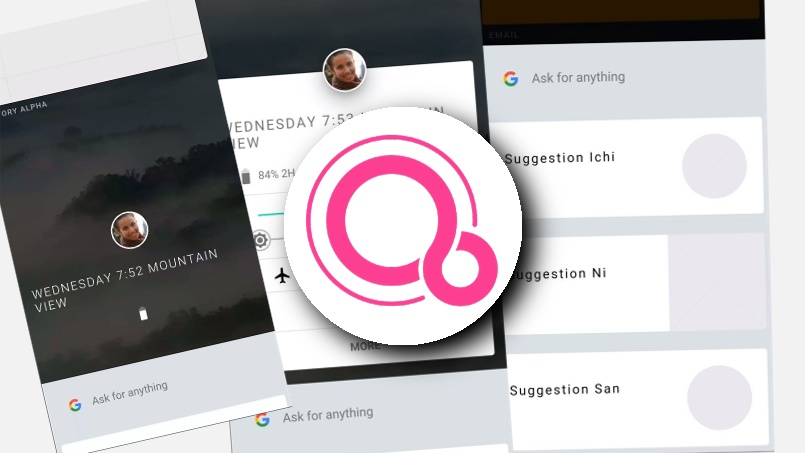
9 | -----
10 |
11 | ### Fuchsia OS的高级特性
12 |
13 | > ### Fuchsia 图像界面
14 | > 当你登陆系统后注意到的第一件东西是它宏大的Material Design。Fuchsi系统可以使用它自己独有的渲染器比如专注于阴影的Escher。你的通知,窗口,按钮,弹窗会创建在一个更清晰的图层中并提供视觉深度。更者,Fuchsia现在提供了俩种不同的图层,比如有叫做Armadillo那样以移动设备为中心的设计和Capybara那样传统的设计。Armadillo将放弃App Drawer还有那为了同时查看所有最近的应用程序,快速设置,Google Feed的快捷模型。Capybara仍在开发中,它有着仅包含时间的任务栏,用于快速设置的界面以及类似于开始按钮的东西。
15 |
16 | > ### Fuchsia 是跨设备系统
17 | > 在当今世界,很多人不只有一台设备,而是多种设备,如手机,台式机,笔记本电脑,平板电脑等等。根据这种现状,谷歌似乎正在努力使Fuchsia在所有设备上运行一致,这样要解决的问题是去维护进程和上下文。一旦你登入谷歌账户,你的应用可以自动跨设备存储。谷歌将Ledger描述为Fuchsia的分布式存储系统,所有内容都将存储在云中。
18 |
19 | > ### Fuchsia可能是个智能助理
20 | > Fuchsia主要被设计去适配谷歌助手。此外,所有内容都会在屏幕上显示,所有你已经完成的和你能做的东西都可以被谷歌助手获取。当你按住home键时,Android智能手机上的智能助理只会检查您的屏幕以获取有用信息,但Fuchsia系统会提供更深层次的信息。在你使用你的浏览器同时,你还可以很方便地查看餐馆的评价,甚至同时打开日历查看今天的日期,等等。
21 |
22 | ------
23 |
24 | ### Google Fuchsia OS相对于Android / Chrome OS的优势
25 |
26 | 众所周知,Android和Chrome这两种操作系统都是基于Linux这个坚实的基础。Android的一个问题是,在Treble之前,最新Linux内核的补丁的更新依赖于设备OEM(原始设备制造商),但很少有人这样做。截至目前,在Treble实施之后,仍有些OEM不愿意将Treble包含在他们的设备中,因此这些Android设备的用户不能即时更新补丁。
27 |
28 | #### Fuchsia使用定制的,可被持续更新的内核Zircon来避免这些陷阱。几乎没有应用能直接访问内核,这将提供一个额外的安全层,并防止像之前安卓那样,在系统更新后出现应用不兼容的情况。
29 |
30 | ***
31 | 本文由[Fuchsia OS 中文社区出品](https://fuchsia-china.com)翻译出品
32 | 原作者:Joe Osborne; 译者:[Firecckk](https://github.com/Firecckk) ;校对:[bootingman](https://github.com/bootingman)
33 | 原文链接:[What is Google’s Fuchsia OS & its Advantage over Android|Chrome OS](https://blog.systoolsgroup.com/googles-fuchsia-operating-system/)
34 | 本文链接:[https://fuchsia-china.com/advantage-over-android-chrome-os/]( https://fuchsia-china.com/advantage-over-android-chrome-os)
35 |
--------------------------------------------------------------------------------
/story/Fuchsia Friday_ Maxwell和Fuchsia的秘密“特工”.md:
--------------------------------------------------------------------------------
1 | # Fuchsia Friday: Maxwell和Fuchsia的秘密“特工”
2 | 
3 | 本周的Fuchsia Friday,我们来看看广为大家最关心的话题:Maxwell,Fuchsia背后的智能系统组件
4 |
5 | Maxwell管理着Fuchsia系统的智能系统,这种智能系统实际上并不是一个大型程序,而是以真正Fuchsia OS风格——从各种较小的程序拼凑而成的。这些程序被称之为代理程序(我们之前已经谈过一些代理程序),我们可以简单地将其视为后台任务。但是,我发现“代理程序”这个命名非常合适:代理在后台运行(秘密特工!),收集信息(就像间谍一样),然后将其报告回传到本地的数据库。
6 |
7 | 为了更好地理解代理程序工作的工作原理以及其功能,让我们看看三个代理程序在没有任何直接沟通的情况下如何协同工作。第一个代理程序被称为maxwell_btl,它是“基本文本监听器”的缩写。目前,它的功能仅仅是扫描文本中的电子邮件地址,并创建一个电子邮件实体,然后将该实体置于上下文中。
8 |
9 | 简单地说,上下文是让Maxwell获悉你目前所看到的文本内容和正在进行何种操作的一种途径,但Maxwell只知道它的代理程序告诉它的内容。上下文分为不同的主题,这让代理程序可以仅监听相关上下文的更改。例如,和音乐相关代理程序只希望获取与音频内容相关的用户行为,而不是电子邮件地址相关内容。
10 |
11 | 当上下文更新后,Maxwell将此次更改通知到所有代理程序,并在需要时进行响应。在这种情况下,代理程序暂时没有实质性运作。我们要关注的是下一个代理程序maxwell_entity_selector。此代理程序侦听文本选择的更改,并检查当前高亮显示的文本是否包含某种“实体”。如果我想要高亮显示电子邮件地址,代理程序将检查该选中文本中包含的实体的上下文,并将电子邮件实体置于不同主题下的上下文中。
12 |
13 | 一旦maxwell_entity_selector发挥作用,第三个代理程序maxwell_proposal_maker(仅监听突出显示的实体主题)将检测到上下文发生了变化,并为用户给出打开Gmail并撰写电子邮件发送到该地址的建议。
14 |
15 | 我打算在这个视频中展示一个这样的例子,但最近Fuchsia主仓库代码的变化中断了这个想法。一旦它能正常工作时,我会更新这篇文章,加上视频。总之,这是早期Fuchsia OS仍在开发中的另一个例证。
16 |
17 | Maxwell目前使用的还有少数其他代理程序:
18 |
19 | - Module_suggester为您在Armadillo主屏幕上看到的搜索框和结果提供支持。对于某些搜索选项,它可以非常简单地使用预加载的结果。这个代理程序可能会全部被替换或大幅扩展。
20 |
21 | - Eddystone_agent是另一个简单的示例代理程序,它展示了如何监听Eddystone蓝牙信标并建议打开相关的URL。
22 |
23 | 
24 |
25 | - Usage_log侦听打开的模块(模块是较大的应用程序的一小部分),并向Fuchsia的指标软件Cobalt发送匿名报告。几周前浏览Cobalt日志的Google员工可能会因为一个不熟悉的模块被打开而感到困惑,因为我们最近制作了自己的Flutter应用并在Fuchsia上运行。
26 |
27 | 到目前为止,大多数这些代理程序似乎都是占位符,并没有实质功能,或者只是如何编写更庞大、更复杂的代理程序的示例。这种情况在我们看到Kronk时发生了改变,Kronk目前是Fuchsia唯一一个有语音回应的代理程序。正如我们几周前所了解的那样,Kronk是Fuchsia团队的Google智能助理的代号。截至目前,Kronk是没有开源的少数几个Fuchsia组件之一。这当然是有道理的,因为它肯定包含谷歌希望保留专有的代码。从我们获得的副本中可以看出,智能助理似乎和往常一样。
28 |
29 | 这些只是直接包含在Maxwell系统中的代理。代理可以包含在您安装的任何应用程序中,但所有代理都会向Maxwell报告。Maxwell在中间承担中转的工作,代理程序之间不需要交换数据,甚至不需要互相知道彼此的存在。比如Spotify播放器可以告诉座席您正在收听哪首歌,另一个代理程序可以为您提供该歌曲的歌词,而无需直接与Spotify交换数据。
30 |
31 | 对了,如果你想知道(就像我一样)为何它叫Maxwell。有一种解释是:Maxwell的名字来自60年代电视节目《糊涂侦探》里的秘密特工Maxwell Smart。虽然我并不能完全认同这种解释,但我父亲认为至少这个解释很有趣。
32 |
33 | 本文由[Fuchsia OS 中文社区出品](https://fuchsia-china.com)翻译出品
34 | 原作者:Kyle Bradshaw; 译者:[Arktische](https://github.com/Arktische);校对:[HugoFun](https://github.com/HugoFun)
35 | 原文链接:https://9to5google.com/2018/03/23/fuchsia-friday-maxwell/
36 | 本文链接:https://fuchsia-china.com/×××(发布后替换)
--------------------------------------------------------------------------------
/processing/Fuchsia-OS-officially-exists-but-not-as-you-may-think-firecckk.md:
--------------------------------------------------------------------------------
1 | #Fuchsia OS officially exists, but not as you may think
2 |
3 | *Google's head and director of its Android and Chrome division took part in a media outlet's podcast during the I/O event this year. In the course of the interview in question, the two executives confirmed openly for the first time that Fuchsia OS does in fact exist. However, it was also subsequently dismissed as an 'experiment'.*
4 |
5 | It has been nearly 3 years now since people first discovered evidence of a whole new operating system called Fuchsia on GitHub. This apparent new suite of software, attributed to Google, quickly attained an almost mythic status, particularly as this developer would never directly admit that it even existed.
6 |
7 | Fuchsia OS has become the center of a great deal of speculation over the last few years. Some believed that it was being developed to replace Android at some point, whereas others hypothesized that it was similarly present to supplant Chrome OS. Its code may also invite other lines of speculation, such as that it is more of an ubiquitous OS, one that can be installed and control any kind of Google product, even those belonging to emerging categories such as the internet of things (IoT).
8 |
9 | The Vergecast is a regular podcast, an episode of which was conducted in conjunction with Google I/O 2019. Accordingly, it had Stephanie Cuthbertson, Google's director of Android, and Hiroshi Lockheimer, the company's head of Android and Chrome, on as guests. This led to the concept of Fuchsia OS being discussed in more detail - the first time Google executives have done so.
10 |
11 | Lockheimer admitted that Fuchsia exists, but then proceeded to disrupt much of the speculation around it. He asserted that the OS has merely been developed to "push the state of the art in terms of operating systems". The lessons apparently learned as a result of this process are to be applied to the creation of further new systems for various different platforms in the future. Lockheimer's opinion on this subject, which is that "there’s a lot of room for multiple operating systems with different strengths and specializations", appears to indicate that next-gen Google hardware will not be compatible with any kind of unifying software after all.
12 |
13 | Therefore, it appears that Fuchsia's successors - which may be great in number - are the future, and not this mysterious OS itself.
14 |
15 | ***
16 | 本文由[Fuchsia OS 中文社区出品](https://fuchsia-china.com)翻译出品
17 | 原作者:Deirdre O Donnell; 译者:(替换为译者名字和作者地址);校对: (替换为译者名字和作者地址)
18 | 原文链接:https://www.notebookcheck.net/Fuchsia-OS-officially-exists-but-not-as-you-may-think.420513.0.html
19 | 本文链接:https://fuchsia-china.com/×××(发布后替换)
20 |
--------------------------------------------------------------------------------
/story/Fuchsia Friday-Flutter是如何给Fuchsia铺平道路的.md:
--------------------------------------------------------------------------------
1 |
2 | #Fuchsia Friday:Flutter是如何给Fuchsia铺平道路的(还有我们的第一个Fuchsia app!)
3 | Kyle Bradshaw
4 | - 3/2/2018 17:29
5 | 
6 |
7 | 本周早些时候,谷歌新推出的跨平台移动应用框架Flutter进入了Beta测试阶段。为了庆祝这一点,让我们仔细看看Flutter现在为应用程序开发所做出的贡献,以及它是如何为Fuchsia准备类似的开发者和用户。
8 |
9 | Flutter 是一个开源、跨平台的移动应用开发框架。它现在支持iOS和安卓开发,并在将来有着支持桌面开发的可能性。Flutter通过它强大的跨平台性能,将自己与竞争对手(如React、Native和Xamarin)区分开来。
10 |
11 | 通过使用“材料设计”(Material Design),Flutter应用程序在iOS上与在Android上将会看起来完全相同。此外,Flutter支持dart语言,这使得有着不同开发背景的开发人员都能熟悉Flutter。
12 |
13 | 如果你需要一点关于Flutter是什么的介绍,请看谷歌上周刚发布的新视频:
14 | ![]()
15 | (说明:该视频届时将上传到网站服务器上)
16 |
17 | 事实上,我在业余时间使用Flutter进行开发已经有一年时间了,我感觉Flutter很好用。为了今天的演示,我花了大约半小时做了一个9to5Google演示app。这个app所做的只是提供一个电话列表以供阅读。它非常简单,而且更像是一个模型而不是一个完整的app(例如,它需要手动录入数据),但是它可以被轻易地转变成更有用的东西。
18 |
19 | 
20 | 
21 |
22 | 以上便是精彩Flutter的内容, 但你可能在想“为什么标题是Fuchsia星期五?”。如果是,那你问对了。你看到的所有Fuchsia里的东西都由Flutter驱动的。我们第一次发现这个是在5月份,在Android Armadillo预览发布的时候。接下来,我会告诉你一些事情。
23 |
24 | 首先,Flutter的小组件系统是非常灵活的。除了传统的Material Design小部件和包含的“Cupertino”(iOS风格)小部件外,开发人员还可以创建自己的定制设计小部件来满足他们的需求。这种设计定制小部件的能力是许多Fuchsia用户界面的核心,比如Now feed。
25 |
26 | 
27 |
28 | 其次,很明显Flutter不会很快消失或被抛弃。从2017年的I/O大会Flutter的出现和2018年的I/O大会上Flutter的重大更新来看,谷歌在Flutter上下了很大的赌注。如果Fuchsia在以后会很重要的话,推出Flutter将是谷歌的明智之举--在强制开发者切换到Flutter之前让他们使用Flutter,这使得他们更能够熟悉Flutter。
29 |
30 | 不过,这项计划还有另一个目的。正如一些人所指出的,创建新的操作系统最困难的事情之一就是可能缺少第三方应用程序。大多数人不会购买没有好应用程序的设备,开发人员也不会为没有销售的设备制作应用程序。然而,他们可能没有意识到,当他们通过使用Flutter制作android&ios应用时,同时也准备好了Fuchsia的应用程序了!
31 |
32 | 本周,我可以编译Fuchsia并在Pixelbook上运行(干杯,Ben!)。还记得之前的演示应用程序吗?我只需一个简单的复制粘贴,这个应用程序就可以完美地在Fuchsia上运行。就像这个样子。
33 |
34 | 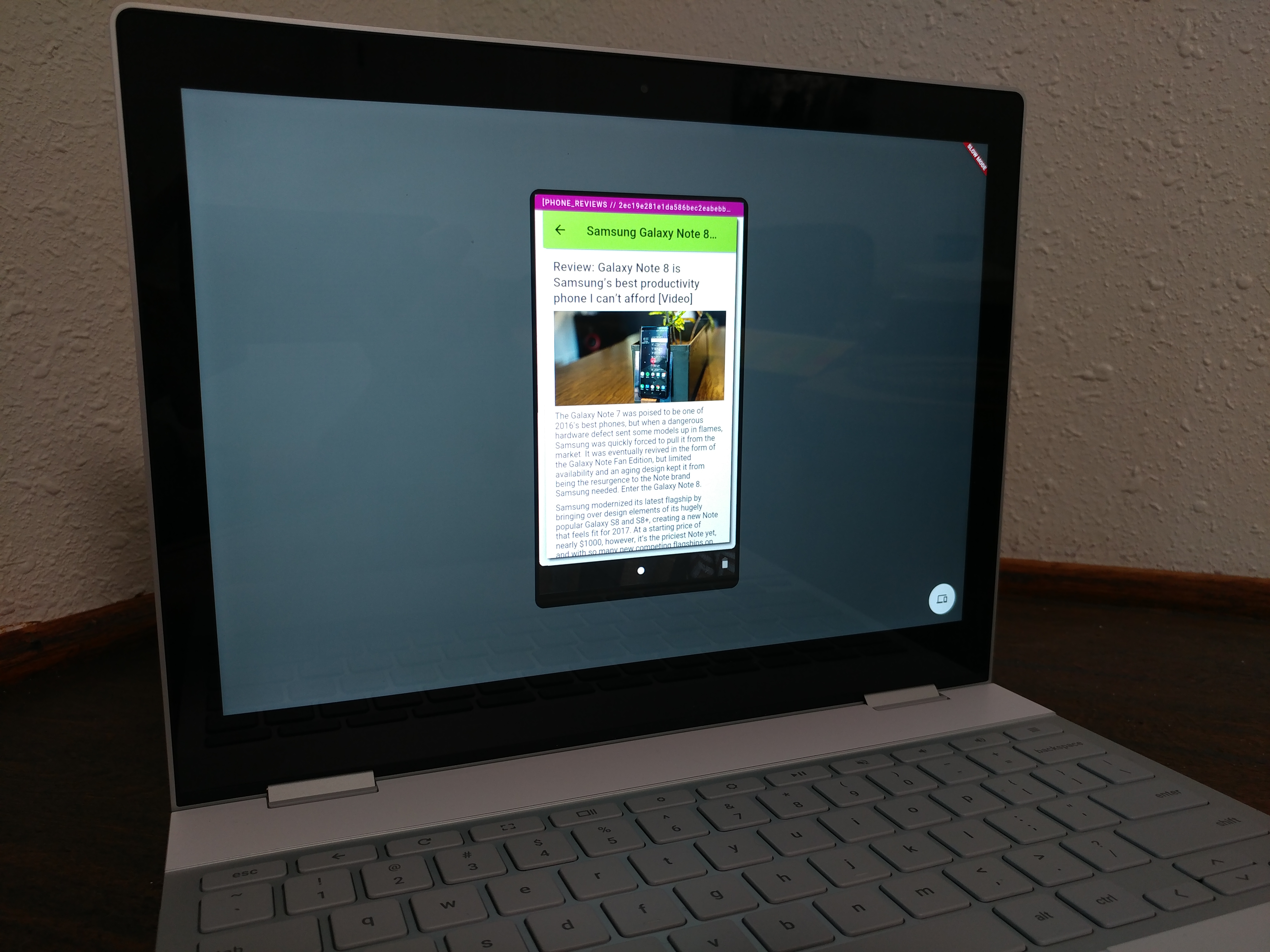
35 |
36 | 当然,Fuchsia还有一些可以丰富您的体验的特定功能(请参阅我们的实体细分中的一个例子),甚者,在Fuchsia发布之前,就已经有数百个兼容的应用程序以备将来使用了。这样一来,人们很容易对Flutter感兴趣。如果你想了解更多,并想赢在Fuchsia的起跑线上的话,推荐你看看Flutter的入门指南。
37 |
38 | *Fuchsia Friday是一个新的系列报道,我们将深入研究Fuchsia源代码,并解释操作系统的当前状态可能对成品意味着什么。本文中的所有信息都是基于可用信息的推测,在将来可能会发生更改。*
39 | ***
40 | 本文由[Fuchsia OS 中文社区出品](https://fuchsia-china.com)翻译出品
41 | 原作者:Kyle Bradshaw; 译者:[firecckk](https://github.com/firecckk);校对: [HugoFun](https://github.com/HugoFun)
42 | 原文链接:https://9to5google.com/2018/03/02/fuchsia-friday-first-fuchsia-app/
43 | 本文链接:https://fuchsia-china.com/how-flutter-is-paving-the-way-for-fuchsia/
44 |
--------------------------------------------------------------------------------
/story/Fuchsia OS 遇见 Chrome ——至少是一个基本的Chromium版本.md:
--------------------------------------------------------------------------------
1 | # Fuchsia OS 遇见 Chrome ——至少是一个基本的Chromium版本
2 |
3 | 
4 |
5 | 谷歌长期以来一直在努力让他们的Chromium浏览器在即将推出的Fuchsia OS上运行。现在,我们可以看到这些努力的第一批成果,亲身体验为Fuchsia打造的Chromium浏览器。
6 |
7 | 到目前为止,Fuchsia上最基本的网络浏览体验是由Webkit提供支持。正如我们在四月份看到的Fuchsia 5分钟预览视频中了解的那样,这个过于简易的浏览器使得很多网页看起来——非常过时。
8 |
9 | 我们知道谷歌一直在试图将Chromium移植到各种平台上,包括浏览器本身和支持Chromecast的“Cast Shell”,它在Fuchsia已经运行了一段时间了。特别是应用程序"Web Runner",我们可以看到最近谷歌做了不少工作。
10 |
11 | Web Runner是用于Fuchsia的Chromium的专用版本,它不具有像我们熟知的Chrome那样的标准UI界面,它似乎主要用于在其他应用程序中嵌入网页,或者用于渐进式web应用。
12 |
13 | 今天,我终于能在运行着Fuchsia的Pixelbook上安装和使用Web Runner,并且进行了真正的测试。这使我我非常兴奋,下面是一个快速预览视频。
14 |
15 | (说明:该视频届时将上传到网站服务器上)
16 |
17 | **Chromium在Fuchsia上能正常工作吗?**
18 |
19 | 绝对可以。我能够访问和使用Google搜索,Twitter,甚至Google文档等完整版本的网站。
20 |
21 | 
22 |
23 |
24 |  |
25 |  |
26 |
27 |
28 |
29 | 
30 | 这些网站均认为访问来自于Chrome 71的开发版本。
31 |
32 | **我应该用Chromium吗?**
33 |
34 | 考虑到真正拥有Fuchsia并运行在Pixelbook上的人很少,至少可以说,这个问题并不太重要。但如果一定要给一个答案,那回答就是:还没到时候。
35 |
36 | 要在Fuchsia上使用Web Runner,您需要从其源代码构建Chromium,这个过程需要使用Linux,并且在我的笔记本电脑上花费了漫长的时间才完成。有迹象表明,未来的Fuchsia版本可能很快就会包含预置的Chromium Web Runner。但即使这样,就算你完成所有设置,你仍需要使用终端打开浏览器转到特定页面,因为Web Runner没有任何像chrome那样的UI界面来与之交互。
37 |
38 | 您可能还在今天的屏幕截图中注意到用户体验已大大简化。这是因为我们称之为Armadillo的UI目前不是默认的。这意味着所有程序都需要以相同的方式从终端打开。
39 | 
40 | 有时Web Runner反应迟钝,因而在这个浏览器上打字非常笨拙。更不用说一些网页会随机让浏览器完全崩溃。起初,我试图从Web Runner写下这篇文章,但我很快发现这个任务有多么不愉快。
41 |
42 | 虽然这项工作肯定还处于早期阶段,但在一个刚刚起步的操作系统上运行完整的Chromium Web浏览器是一项令人难以置信的壮举。很明显,准备好推出Fuchsia是Google的首要任务,我们可能会看到更多的产品在未来几个月内被移植并稳定下来。
43 | ***
44 | 本文由[Fuchsia OS 中文社区出品](https://fuchsia-china.com)翻译出品
45 | 原作者:Joe Osborne; 译者:[Arktische](https://github.com/Arktische);校对: [HugoFun](https://github.com/HugoFun)
46 | 原文链接:https://9to5google.com/2018/09/17/fuchsia-os-meet-chromium-video/
47 | 本文链接:https://fuchsia-china.com/×××(发布后替换)
--------------------------------------------------------------------------------
/to_be_claimed/Google-finally-acknowledges-Fuchsia-OS-says- its-just-an-experiment.md:
--------------------------------------------------------------------------------
1 | #Google finally acknowledges Fuchsia OS, says it’s just an experiment
2 |
3 | Google’s Fuchsia project has been shrouded in mystery for nearly 3 years now. It first appeared on GitHub back in August of 2016 with no official announcement or documentation. Theories quickly sprung up, with some saying it could be a replacement for Android or Chrome OS, or both.
4 |
5 | Indeed, these theories are supported by the fact that Fuchsia’s source code suggests it is meant to be a kind of universal operating system. What this means is that Fuchsia could run on your smartphone, your laptop, or any Internet of Things device you may have at home. Two developers recently managed to get Fuchsia running in the Android Studio Emulator, giving us another look at it, but all it showed was that the OS is still very much in its nascent stages.
6 |
7 | But at Google’s I/O developer conference this week, senior vice president of Android and Chrome Hiroshi Lockheimer offered a little more information during a live recording of a new podcast from The Verge as to what is happening with Fuchsia.
8 |
9 | “We’re looking at what a new take on an operating system could be like. And so I know out there people are getting pretty excited saying, ‘Oh this is the new Android,’ or, ‘This is the new Chrome OS,’” Lockheimer said. “Fuchsia is really not about that. Fuchsia is about just pushing the state of the art in terms of operating systems and things that we learn from Fuchsia we can incorporate into other products.”
10 |
11 | While it’s somewhat disappointing that Google’s plans for Fuchsia aren’t a little grander, the project still represents an important indicator of where Google thinks the future lies. Integration and inclusivity have been the keywords for Google for some time now. Announcements at I/O included live captions for videos, among other things, so it’s clear that Google is trying to be more inclusive with its software. An OS that transitions seamlessly between devices would certainly help them achieve this vision.
12 |
13 | Lockheimer went on to drop more hints with regard to the future of Fuchsia at an Android fireside chat at I/O yesterday. “It’s not just phones and PCs. In the world of [the Internet of Things], there are an increasing number of devices that require operating systems and new runtimes and so on. I think there’s a lot of room for multiple operating systems with different strengths and specializations. Fuchsia is one of those things and so, stay tuned.” While this comment is about as nonspecific as can be, it’s still good to see that Google is finally ready to talk about the project.
14 |
15 | ***
16 | 本文由[Fuchsia OS 中文社区出品](https://fuchsia-china.com)翻译出品
17 | 原作者: Jack Price; 译者:(替换为译者名字和作者地址);校对: (替换为译者名字和作者地址)
18 | 原文链接:https://www.xda-developers.com/google-acknowledges-fuchsia-os-experiment/
19 | 本文链接:https://fuchsia-china.com/×××(发布后替换)
20 |
--------------------------------------------------------------------------------
/to_be_claimed/google-will-soon-bid-goodbye-to-android-and-chrome-os-here-comes-the-fuchsia-os.md:
--------------------------------------------------------------------------------
1 | #Google will soon bid Goodbye to Android and Chrome OS; Here comes the Fuchsia OS
2 | 
3 |
4 | For the billions of Android users who are so comfortable using Android OS and phones running on the platform for years now, it might be a big surprise. If you are a technology nerd, you might have probably come across this already. Google is going to introduce Fuchsia OS, the one platform to rule them all to replace both Android and Chrome OS in the next one or two years.
5 |
6 | The rollout will be handled in the most seamless manner so that smartphone users and developers don’t bear the brunt. After all, thousands of Android apps are already running successfully on so many phones across the globe and trying to port them all to a brand new operating system is no easy task. Google has already been helping developers make the transition as seamless as possible.
7 |
8 | The Fuchsia OS is in development since 2016 and the transition is about to take place in the near future. After the Google I/O main event took place, the team took their time to discuss the possibilities and also revealed a lot of new information with regards to this platform. On the contrary to what a lot of people believed, the OS is not going to try to directly replace Android or Chrome operating systems but rather will be used in futuristic devices.
9 |
10 | 
11 |
12 | In other words, it’s core focus will be on Google Assistant AI and other future technologies as well as gadgets. Newer items like AR and VR headsets, smart watches and smart home devices will be powered by this new technology. If we try to understand what they mean, it probably means it will be integrated into Android slowly and will not be done explicitly so as to not confuse the current users. Besides, convincing thousands of developers and brands to rework on their existing apps will not be a great idea either, as things have been going good for Android for many years now.
13 |
14 | Similar to Android, Fuchsia OS will be an open source project which will accept contributions from everyone and anyone outside the Google circle. It will enable the platform to get developed at a rapid rate and also get rid of bugs among other issues faster. Apple iOS took a long time to implement features that were found on Android OS three years ago because of its open source concept and a similar approach might help Fuchsia become the norm on a wide range of devices unifying them all.
15 |
16 | ***
17 | 本文由[Fuchsia OS 中文社区出品](https://fuchsia-china.com)翻译出品
18 | 原作者: Elizabeth Kartini; 译者:(替换为译者名字和作者地址);校对: (替换为译者名字和作者地址)
19 | 原文链接:https://www.technobezz.com/google-will-soon-bid-goodbye-to-android-and-chrome-os-here-comes-the-fuchsia-os-368987/
20 | 本文链接:https://fuchsia-china.com/×××(发布后替换)
21 |
--------------------------------------------------------------------------------
/to_be_claimed/google-says-fuchsia-os-is-mostly-just-a-playground-for-future-technologies.md:
--------------------------------------------------------------------------------
1 | #Google Says Fuchsia OS Is Mostly Just a Playground for Future Technologies
2 | It's not as exciting as people imagined it to be
3 |
4 | **Fuchsia is an operating system developed by Google that managed to spawn all kinds of theories regarding the future of Android. The company finally talked about it, and it turns out that it’s not what people might think.**
5 |
6 | When the company that makes the operating system for almost 80% of all mobile devices starts working on a new type of OS, people take notice. Add to that the fact that Google hasn’t really commented on the existence of that OS, it’s easy to see why rumors started to spread online.
7 |
8 | The operating system in question is called Fuchsia, and it’s been around for a few years. What makes it special is the fact that it’s designed to work pretty much on anything, including mobile phones, desktops, and smart devices.
9 |
10 | To be fair, this is not a new idea. Canonical, the makers of Ubuntu, have tried for years to make this happen; they wanted a single operating system for the phone and the desktop. Because they didn’t have the power of Google behind them, the project failed, but it seems that the direction is correct.
11 |
12 | **Unfounded speculation**
13 | The main speculation about Fuchsia was that it’s going to replace Android, and eventually, provide a proper experience on desktops. In theory and according to Google, this where things are heading, but Fuchsia is not the future.
14 |
15 | Hiroshi Lockheimer, vice president of Android and Chrome, talked with The Verge after the Google I/O event and put a dent into the rumor mill.
16 |
17 | “We’re looking at what a new take on an operating system could be like. And so I know out there people are getting pretty excited saying, ‘Oh this is the new Android,’ or, ‘This is the new Chrome OS … Fuchsia is really not about that. Fuchsia is about just pushing the state of the art in terms of operating systems and things that we learn from Fuchsia we can incorporate into other products,” said Lockheimer.
18 |
19 | From the looks of it, Google is using Fuchsia as a testing playground for the idea of a unified OS, but it’s not going to take it further. On the other hand, whatever useful parts are working, they will be folded into Android and other products.
20 |
21 | That’s not to say that Fuchsia won’t evolve to be much more than that. At one point, it was reported that the OS was incorporating a new type of kernel, not the Linux flavor. For now, Fuchsia is exciting, and it’s a space worth watching because some pretty interesting things are going to happen there.
22 |
23 | ***
24 | 本文由[Fuchsia OS 中文社区出品](https://fuchsia-china.com)翻译出品
25 | 原作者:Silviu Stahie; 译者:(替换为译者名字和作者地址);校对: (替换为译者名字和作者地址)
26 | 原文链接:https://news.softpedia.com/news/google-says-fuchsia-os-is-mostly-just-a-playground-for-future-technologies-525989.shtml
27 | 本文链接:https://fuchsia-china.com/×××(发布后替换)
28 |
--------------------------------------------------------------------------------
/README.md:
--------------------------------------------------------------------------------
1 |
2 | Fuchsia OS 学习资源及教程汇总
3 | Fuchsia OS 学习资料& 教程汇总
4 |
5 | Fuchsia 是 Google 计划推出的全新开源操作系统,面向物联网设备。本教程最初设想是从 Fuchsia OS 的几篇新闻开始,目标是翻译和撰写成体系的教程
6 |
7 | ----
8 |
9 | Fuchsia OS 中文社区
10 | ===================
11 |
12 | :point_right: 访问平台
13 |
14 | - 网站 https://fuchsia-china.com
15 | - 论坛 https://forum.fuchsia-china.com
16 |
17 | :point_right: 教程列表
18 |
19 | - [Fuchsia OS 简明编译指南](https://fuchsia-china.com/guide-of-fuchsia-os-compilation/)
20 | - [Ubuntu 18.04 编译 Zircon](https://forum.fuchsia-china.com/t/197)
21 | - [Ubuntu18.04 编译 Fuchsia](https://forum.fuchsia-china.com/t/195)
22 |
23 | ### 翻译文章列表(已完成)
24 |
25 | * [x] [Google Fuchsia 设备参加官方蓝牙测试活动 UnPlugFest](https://fuchsia-china.com/google-brought-fuchsia-demo-to-unplugfest/)
26 | * [x] [Android 模拟器增加对 Fuchsia 操作系统内核 Zircon 的支持](https://fuchsia-china.com/android-emulator-fuchsia-zircon/)
27 | * [x] [Fuchsia 操作系统被发现将支持 Java](https://fuchsia-china.com/fuchsia-supports-java/)
28 | * [x] [简述 Fuchsia 操作系统的四层结构设计](https://fuchsia-china.com/the-4-layers-of-fuchsia/)
29 | * [x] []()
30 |
31 | ### 重要报道
32 | 收录全球重要媒体关于 Fuchsia 的报道,路径在[story](https://github.com/FuchsiaOS/Fuchsia-OS-tutorial/tree/master/story)
33 |
34 | * [x] Bloomberg:[彭博社:代号“Fuchsia”,Google 正在悄悄开发 Android 的继任操作系统](https://fuchsia-china.com/bloomberg-google-fuchsia-android/)
35 | * [x] TechRadar:[Google Fuchsia OS 发布日期,新闻与那些漫天遍野的传言](https://fuchsia-china.com/google-fuchsia-os-rumors/)
36 | * [x] DigitalTrends:[关于 Google 的新操作系统 Fuchsia OS,你需要知道的都在这里](https://fuchsia-china.com/fuchsia-you-need-to-know/)
37 | * [x] ZDNET:[Google Fuchsia: Here's what the NSA knows about it](https://www.zdnet.com/article/google-fuchsia-heres-what-the-nsa-knows-about-it/)
38 | * [x] 9To5Google:[Fuchsia OS 遇见 Chrome ——至少是一个基本的Chromium版本](https://9to5google.com/2018/09/17/fuchsia-os-meet-chromium-video/)
39 |
40 | ### 翻译列表
41 | - https://9to5google.com/2018/03/02/fuchsia-friday-first-fuchsia-app/
42 | - https://9to5google.com/2018/02/09/fuchsia-friday-entities/
43 | - https://9to5google.com/2018/04/06/fuchsia-friday-graphics-gaming-and-vr-oh-my/
44 |
45 | ### Flutter 文章列表
46 |
47 | * [x] [What’s Revolutionary about Flutter](https://hackernoon.com/whats-revolutionary-about-flutter-946915b09514)
48 |
49 | ### 社区贡献者列表
50 |
51 | * [x] [VicZ123](https://github.com/VicZ123)
52 | * [x] [Arktische](https://github.com/Arktische)
53 | * [x] [hzcyf](https://github.com/hzcyf)
54 | * [x] [firecckk](https://github.com/firecckk)
55 | * [x] [HugoFun](https://github.com/HugoFun)
56 | * [x] [659525](https://github.com/659525)
57 | * [x] [JadeToStone](https://github.com/JadeToStone)
58 | * [x] [bootingman](https://github.com/bootingman)
59 | * [x] [AlexLixin](https://github.com/AlexLixin)
60 |
61 | ### 加入交流
62 |
63 | - Telegram:https://t.me/FuchsiaOSzh
64 | - Fuchsia OS QQ 大群:788645873
65 | - Fuchsia 开发者社区QQ群:241234421
66 | - 微信群:微信群因其封闭性,无法直接添加,请添加用户: opensourceleslie 备注:Fuchsia OS 或者 Fuchsia 开发者,邀请加入对应的微信群
67 | 
68 |
69 |
70 |
--------------------------------------------------------------------------------
/to_be_claimed/google-opens-up-about-plans-for-their-fuchsia-os.md:
--------------------------------------------------------------------------------
1 | #Google opens up about plans for their Fuchsia OS
2 |
3 | [](https://i0.wp.com/media.criticalhit.net//2019/05/Google_Fuchsia_OS.jpg?w=800&ssl=1)
4 |
5 | When it comes to operating systems, we generally break it up into software to run PCs and software to run mobile phones. The truth is though that in this IoT era when everything is becoming interconnected and needs software to run, that the scope of operating systems and what they do is expanding more than ever before.
6 |
7 | This is the idea behind Google’s long-in-development Fuchsia project which sees the software company develop a new type of operating system from the ground-up for a new generation of devices. It’s a project that Google has been working on for over 2 years with few known about details of its purpose or progress since it was first revealed. A new update from the company in a recent interview with The Verge has revealed a whole lot more about what their intentions behind the project entail, as shared by Android and Chrome chief Hiroshi Lockheimer:
8 |
9 | >We’re looking at what a new take on an operating system could be like. And so I know out there people are getting pretty excited saying, ‘Oh this is the new Android,’ or, ‘This is the new Chrome OS. Fuchsia is really not about that. Fuchsia is about just pushing the state of the art in terms of operating systems and things that we learn from Fuchsia we can incorporate into other products.
10 |
11 | The big objective of the experiment appears not to try and replace Google existing Android or ChromeOS software, but rather look to identify the best type of OS for other smart devices and see how they can optimise it t oxter for wearable technology or even the possibility of augmented or VR devices:
12 |
13 | >You know Android works really well on phones and you know in the context of Chrome OS as a runtime for apps there. But Fuchsia may be optimized for certain other form factors as well. So we’re experimenting… think about dedicated devices… right now, everybody assumes Fuchsia is for phones. But what if it could be used for other things?
14 |
15 | It definitely makes sense for Google to be possibly developing a new OS to cater for a new range of smart devices coming our way. Whether utilising a new OS to optimise the user experience for these over trying to find ways if unifying everything into one integrated OS is the right choice is something which we will probably find out in the near future. Right now, smart devices are not yet able to run Mobile or PC type operating systems and so there is a lot of merit to their idea of having multiple operating systems. After all, Microsoft has been struggling for years to try and get one unified OS for all devices with little success, so Google may be onto something here.
16 |
17 | ***
18 | 本文由[Fuchsia OS 中文社区出品](https://fuchsia-china.com)翻译出品
19 | 原作者:Craig Risi; 译者:(替换为译者名字和作者地址);校对: (替换为译者名字和作者地址)
20 | 原文链接:https://www.criticalhit.net/technology/google-opens-up-about-plans-for-their-fuchsia-os/
21 | 本文链接:https://fuchsia-china.com/×××(发布后替换)
22 |
--------------------------------------------------------------------------------
/story/Bloomberg_ “Fuchsia”项目-Google正在悄悄的研发Android的继任者 - JadeToStone.md:
--------------------------------------------------------------------------------
1 | 两年多来,Google的一个小而隐蔽的工程师团队一直致力于某个软件,他们希望这款软件最终将取代主导全球的移动操作系统Android。随着团队的发展,必须解决关于软件如何运作的激烈内部争论。
2 |
3 | 这个名为Fuchsia的项目从零开始创建,以突破Android的限制,由于更多个人设备和其他小工具上线。 它旨在更好地适应语音交互和频繁的安全更新,并在各种设备上看起来相同,从笔记本电脑到互联网连接的微型传感器。 Goolge CEO桑达皮采(Sundar Pichai)已经将Google定位于这个方向 - 面向全球消费者的人工智能服务。 然而,依赖于许多硬件合作伙伴的主要操作系统却没有跟上。
4 |
5 | 以下是关于Fuchsia的已知信息:Alphabet Inc.的Google于2016年开始在网上悄悄地发布代码,该公司已让外部应用程序开发人员修补了一些开源代码。 Google也开始尝试使用该系统的应用程序,例如交互式屏幕显示和YouTube的语音命令。
6 |
7 | 但是,Fuchsia团队的成员讨论了一个更宏大的计划,这是第一次在这里报道:创建一个能够运行公司所有内部设备的操作系统,如Pixel手机和智能扬声器,以及据第三方知情人士透露,这些设备现在依赖于Android和另一个名为Chrome OS的系统。
8 |
9 | 根据其中一位人士的说法,工程师们表示,他们希望在三年内在连接家庭设备中嵌入Fuchsia,如语音控制扬声器,然后转向更大的机器,如笔记本电脑。最终,该团队希望将他们的系统替换Android系统,该系统支持全球超过四分之三的智能手机,该人士表示,他们不会被认定为讨论内部事务。一位知情人士表示,目标是在未来五年内实现这一目标。
10 |
11 | 但是这些人说,Pichai和他的代表Hiroshi Lockheimer,他的副手管理Android和Chrome,尚未签署任何Fuchsia的路线图。由于该软件支持数十个硬件合作伙伴,数千名开发人员以及数十亿移动广告资金,因此高管们必须小心翼翼地对任何改革Android的计划采取行动。 Android也是公司监管审查和法律纠纷的主题,这意味着对软件的任何更改都将受到密切关注。欧洲监管机构周三对该公司使用移动软件推广其服务征收了创纪录的50亿美元反托拉斯罚款。在Google内部,Fuchsia已经面临一些关于如何设计和部署的内部争吵,特别是在隐私功能方面。
12 |
13 | 在公开场合,该公司将Fuchsia作为其自由创意产品方法的一个例子。 “Google将这些开源实验视为对创新的投资,”该公司发言人在一封电子邮件中表示。 2015年,Lockheimer写了一篇博文,称该公司没有计划用Android取代Chrome操作系统,Google发言人称这一立场今天仍然适用。
14 |
15 | 尽管如此,Fuchsia不仅仅是地下室的臭鼬工作。知情人士表示,Pichai已在内部表达了对该项目的支持。 Fuchsia现在有超过100人参与其中,其中包括着名的软件工作人员,如Matias Duarte,一位在Google和其他地方领导多个开创性项目的设计主管。一位知情人士表示,Duarte只是兼职从事这个项目。
16 |
17 | 该计划的重点是与Google首要竞争对手智能手机iPhone的制造商Apple公司进行更好的竞争。虽然Android大约85%的市场份额削弱了Apple公司15%的份额,但Apple的操作系统在Apple设备的性能,隐私和安全以及整合等领域都占据了一席之地。另一个关键优势:大多数iPhone用户在Apple发布新版操作系统时会快速更新手机,而Android用户不到10%。这意味着Google的最新服务只能覆盖Android用户的一小部分。
18 |
19 | “从Android转向可以让Google有机会在他们认为十年前犯下的任何错误中点击重置按钮。” 消息传递应用程序Confide的联合创始人Jeffrey Grossman说, “他们可能重新获得一些他们已经转让给设备制造商和电信运营商的力量。”
20 |
21 | Google依靠手机制造商和无线网络运营商推动Android设备的常规操作系统和安全更新。这些合作伙伴没有像Goolge那样激励分销最新软件:电话制造商更愿意销售新硬件,而电信公司则有其他优先事项。Google最近试图正面解决这个问题。 5月,该公司修改了与手机制造商的协议,要求他们每年多次更新带有安全补丁的设备。
22 |
23 | 有迹象表明Fuchsia正在采取更严格的安全措施。在线发布的软件代码中,工程师将加密的用户密钥构建到系统中 - 这是一种隐私工具,可确保每次更新软件时都能保护信息。他们还招募了专家。根据LinkedIn个人资料,Android的首席安全工程师Nick Kralevich在1月份转向在Fuchsia工作。在代码页中,处理Fuchsia的Google员工指出该软件尚未最终完结。
24 |
25 | 目前,手机刚开始使用触摸屏时开发的Android不能用于处理Google认为是未来计算的语音应用类型。 因此,正在开发的Fuchsia,其核心是语音交互。设计也更灵活,因为它可以调整到多种屏幕尺寸 - 试图迎合新产品,如电视,汽车和冰箱,Google正在推广其软件。
26 |
27 | 尽管拥有工程团队和对Fuchsia的支持,Google尚未公布该软件的实际使用情况。 一些开发人员玩弄了操作系统,但没有人将其设置为流行商业设备上的应用程序或服务的基础。 Google开发者网站上发布的最新代码表明,YouTube应用程序可能正在开发中,但系统上没有公开的官方Google服务。
28 |
29 | 该公司还必须解决一些内部争执。Fuchsia创作者所追求的一些原则已经与Google的商业模式背道而驰。 Google的广告业务依赖于根据用户的位置和活动定位用户的能力,而Fuchsia新生的隐私功能如果实施,将阻碍这一重要业务的发展。据知情人士透露,广告和工程设备之间至少已经出现过一场与刚刚起步的操作系统的安全和隐私功能之间的冲突。这位知情人士表示,广告团队占了上风。
30 |
31 | 远离Android和Chrome可能会给Google带来其他风险。三星,华为和LG等独立开发商和设备制造商的巨大需求依赖于操作系统。 Chrome OS也是运行许多学校和其他组织使用的基于网络的笔记本电脑的重要软件。Google不能简单地停止支持Android和Chrome操作系统,并希望这个庞大的生态系统能够迅速切换到Fuchsia。
32 |
33 | 另一个风险来自新操作系统的基础。 Android和Chrome操作系统都是基于Linux构建的。 “Linux内核”是Google当前操作系统的核心,处理智能手机和其他设备的硬件和软件之间的指令。 Fuchsia使用一种名为Zircon的不同内核,它避开了Linux中的许多旧技术。这可能使一些现有设备不兼容。
34 |
35 | 不过,从Linux迁移可能会为Google带来一些好处。 新内核为搜索巨头提供了一个清晰的平台,可以开发出更快速的系统,而不需要几十年来一直是多种操作系统基础的技术。 从现在的Android转型也可能进一步减少Google在软件方面与Oracle公司的距离,Oralce公司在2010年起诉Google涉嫌与Java等关键软件组件相关的专利侵权。
36 |
37 | Fuchsia的另一个好处是:该项目为该公司的几位资深开源黑客提供了技术挑战的机会。通常,Google已经将一些长期人员放在这种复杂的、长期的努力上,而不是冒着失去对手的风险。 一位与Fuchsia工作人员交谈的人简单地描述了这一努力:“这是一个高级工程师保留项目。”
38 |
39 | ***
40 | 本文由[Fuchsia OS 中文社区](https://fuchsia-china.com)翻译出品
41 | 原作者:Mark Bergen & Mark Gurman; 译者:[JadeToStone](https://github.com/JadeToStone) ;校对:[bootingman](https://github.com/bootingman)
42 | 原文链接:[Project ‘Fuchsia’: Google Is Quietly Working on a Successor to Android](https://www.bloomberg.com/news/articles/2018-07-19/google-team-is-said-to-plot-android-successor-draw-skepticism)
43 | 本文链接:[https://fuchsia-china.com/bloomberg-google-fuchsia-android/](https://fuchsia-china.com/bloomberg-google-fuchsia-android/)
44 |
--------------------------------------------------------------------------------
/story/谷歌新操作系统 Fuchsia,你需要知道的都在这里 - hzcyf.md:
--------------------------------------------------------------------------------
1 | # 谷歌新操作系统 Fuchsia,你需要知道的都在这里
2 |
3 | > Fuchisa 最终有望取代 Android,但这需要很多年才可能达成。
4 |
5 | Android 和 Chrome OS 是谷歌最为人熟知的两款操作系统,而现在该公司正在进行第三款操作系统的开发,这款新系统名字叫做 Fuchsia。该系统在去年第一次被人们发现时,仅仅能跳出一个简单的命令行。而现在,我们了解到了更多关于该系统的信息。
6 |
7 | Fuchsia 看起来和包括 Android 在内的其他移动操作系统完全不同,这应该是个重要要点。而事实上,当前围绕该系统的其他的神秘要点还有非常之多。我们并不知道谷歌开发该系统的真实目的,它是否被定位为 Android 的替代品? 又或者仅仅是谷歌的一次实验? 我们能否像期望的那样在今年的谷歌 I/O 大会上见到这款新系统呢?
8 |
9 | ## Fuchsia 究竟是什么?
10 |
11 | Fuchsia 与 Android 和 Chrome OS 这两款系统有点不同,它并不基于 Linux 内核,而是基于谷歌全新开发的一款名叫 Magenta 的内核(译者注: 该内核现已更名为Zircon)。根据谷歌提供的消息, Magenta 开发目标是成为同时适用于现代手机和现代个人电脑的一款系统内核,所以将来我们在智能手机中看到该系统也就不足为奇。此外,我们还不知道为什么的是,谷歌甚至已经将来自苹果公司的编程语言 Swift 添加成为 Fuchsia 的开发语言。
12 |
13 | 因为 Fuchsia 是使用能在 Android 上运行的 Flutter SDK 编写的,所以 Fuchsia 的大部分模块都可以在Android设备上运行。当前最新版本的 Fuchsia 似乎被称作为 Armadillo,它完全重新实现了一个主屏幕。根据*Ars Technica*的[测试](https://arstechnica.com/gadgets/2017/05/googles-fuchsia-smartphone-os-dumps-linux-has-a-wild-new-ui/),该主屏幕基本上呈现为一个大的滚动列表,配置信息图片、日期、城市和电池余量图标等被放置在其中央。在该主屏幕的上边,你会看到一些“故事”卡片或者一个最近应用程序列表。而在在该主屏幕下边,你会看到一个类似于 Google Now 的建议列表。
14 |
15 | 您还可以拖动最近的应用程序,并个性化地将它们组织起来放到主屏幕你想要的位置。如果将一个应用程序放在另一个应用程序的顶部,你将进入最多可支持三个应用程序的分屏模式。
16 |
17 | 根据 [Hacker News](https://news.ycombinator.com/item?id=12271354) 的消息,曾经参与过NewOS、BeOS、Danger、Palm’s WebOS 和 iOS开发的 *Travis Geiselbrech*,以及参与过 BeOS 和 Android 开发的 *Brian Swetland*,这两个牛人都有参与进 Fuchsia 这一项目。
18 |
19 | ## 开发 Fuchsia 的目的是什么?
20 |
21 | 事实上,当前我们并不知道 Fuchsia 为什么而开发。彭博社的[最新报告](https://www.bloomberg.com/news/articles/2018-07-19/google-team-is-said-to-plot-android-successor-draw-skepticism)推测,Fuchsia 是谷歌试图使用单一操作系统去统一整个生态圈的一种尝试,Fuchsia 的目标是能够在谷歌的技术保护伞下,运行于智能手机、智能音响、笔记本电脑等任何合适的设备之上。据某消息人士透露,谷歌计划在未来三年内,先让 Fuchsia 在智能音响和其他智能家具设备上运行起来,然后再转移到笔记本电脑等更大的设备上,并最终取代 Android 成为世界上最大的移动操作系统。
22 |
23 | Fuchsia 将取代 Android 这一说法已经出现有一段时间了,*Ars Technica*对此也持[感兴趣的的态度](https://arstechnica.com/gadgets/2017/05/googles-fuchsia-smartphone-os-dumps-linux-has-a-wild-new-ui/)。正如他指出的,Android 早在iPhone 发布之前就已经构建好了,并且其最初是被用作数码相机的操作系统。iPhone 发布后,Android 才被用于手机,而且直至今日谷歌仍然坚持多年前做出的这一选择。谷歌在 Android 上面临许多挑战,例如,它很难在为整个安卓生态系统内的设备推送更新,而 Fuchsia 也许能帮助解决这些问题。
24 |
25 | 然而,如果放弃 Android 的事情真的发生,依然还有好长一段路需要走。谷歌 CEO *Sundar Pichai* 和副董事长 *Hiroshi Lockheimer* 尚未签署任何针对 Fuchsia 的未来计划,因为这样的变更是一项艰巨的任务。三星、HTC、LG等许多大型手机制造商都还非常依赖于 Android,这使得放弃 Android 变得异常困难。如果谷歌真设法转向 Fuchsia,这对于整个智能手机世界来说都是一场巨大的变革。用于编写 Fuchsia 应用的 Flutter SDK 现已经能够为 Android 和 iOS 应用程序生成代码了,所以开发人员可以尝试通过 Flutter 构建应用,使其开发的应用能够跨所有智能手机操作系统运行。
26 |
27 | 因为 Fuchsia 的开发还处在早期阶段,我们没能够再获取到其他新的关于该操作系统信息。谷歌已经在手机上测试了这款新的操作系统,同时在 Pixelbook 和 其他笔记本电脑上的[测试](http://www.androidpolice.com/2017/12/30/pixelbook-used-test-googles-fuchsia-os/)也正在进行。如果有获取到更多的信息,我们会第一时间在这篇文章上进行更新。
28 |
29 | ## 关于 Fuchsia 的一些传闻
30 |
31 | 迁移到 Fuchsia 对谷歌有什么好处呢? 事实证明,好处有很多。正如前文提到的,Android 最初是为数码相机而构建的,后来才被应用到带触摸屏的手机中。Android 大部分内容并不符合[谷歌对智能设备的未来期望](https://www.bloomberg.com/news/articles/2018-07-19/google-team-is-said-to-plot-android-successor-draw-skepticism),比如语音交互方面。Fuchsia 将会为谷歌解决许多这样问题,进而为谷歌带去更多的机会。
32 |
33 | Fuchsia有一套相较于 Android 更为健壮的安全特性,软件内置了加密的用户密钥以加强安全性。与Android相比,Fuchsia 在适应各种不同尺寸的屏幕方面也更胜一筹。在未来,或许能为从门铃到烤面包机等所有设备提供支持。通过向 Fuchsia 的转移,谷歌可以摆脱 Java 和围绕 Java 的的一些法规问题。同时这意味着谷歌可以抛弃在 Android 占据核心位置的 Linux 内核。
34 |
35 | 当然,Fuchsia 还是一个非常早期的版本,如果某些细节随着时间而改变了,不要感到惊讶。根据[彭博社的报道](https://www.bloomberg.com/news/articles/2018-07-19/google-team-is-said-to-plot-android-successor-draw-skepticism),谷歌内部已经就 Fuchsia 的一些安全措施产生了一些争论,因为这些措施会使的谷歌的广告业务变得更加困难。
36 |
37 | ## 自己去尝试使用 Fuchsia 吧
38 |
39 | 到五月初,你就可以亲自尝试使用 Fuchsia 了。[SlashGear](https://www.slashgear.com/this-is-google-fuchsia-os-preview-apk-download-for-android-09484448/) 与 *HotFix Computer Repair* 合作推出了一个可下载的Android软件包套件(APK),你可以将它安装在自己手机上以体验 Fuchsia。这个安装包有点像是一个上文提到的被称为 Armadillo 的 alpha 版本系统的预览版启动器。Armadillo 是 Fuchsia 这一操作系统的一个版本名,类似于 Nougat 是 Android 操作系统的一个版本名。
40 |
41 | 自己去[HotFixIt](https://www.hotfixit.net/single-post/2017/05/03/How-to-build-Armadillo)下载吧,不过在此之前你需要确保明白一些事情。Fuchsia 目前还处于早期阶段,不要期望能够将其作为日常使用的操作系统。虽然在大多数 Android 手机上使用这一高度实验性的软件是相对安全的,但你也应该在清楚自己在干什么的前提下才去这么做。
42 |
43 | ***
44 | 本文由[Fuchsia OS 中文社区出品](https://fuchsia-china.com)翻译出品
45 | 原作者:Joe Osborne; 译者:[Hzcyf](https://github.com/Hzcyf) ;校对:[bootingman](https://github.com/bootingman)
46 | 原文链接:[DigitalTrends:Google’s Fuchsia OS: Everything you need to know](https://www.digitaltrends.com/mobile/google-fuchsia-os-news/)
47 | 本文链接:[ https://fuchsia-china.com/fuchsia-you-need-to-know/]( https://fuchsia-china.com/fuchsia-you-need-to-know/)
48 |
--------------------------------------------------------------------------------
/processing/Fuchsia Friday_Graphics, Gaming, and VR (Oh my!)-659525.md:
--------------------------------------------------------------------------------
1 |
2 | #Fuchsia Friday: Graphics, Gaming, and VR (Oh my!)
3 | 
4 |
5 | Fuchsia Friday is back with your fix of Fuchsia information. This week, we’re looking at how Fuchsia handles graphics differently and what that might mean for gaming and VR.
6 |
7 | Most operating systems have a window manager, which takes the visuals of multiple running apps and combines them into one organized view on your monitor. All of today’s traditional window managers, including those for Windows, OS X and Linux, work on the principle of composition. Usually, this means every window is rendered off-screen, and the operating system layers all of the visible windows and basic UI elements (like the taskbar and your desktop background) to create a 2D image for your monitor.
8 |
9 | Fuchsia’s graphics engine, Scenic, instead creates a 3D scene, representing everything happening on your computer, then uses a virtual “camera” to create a 2D representation. This is very similar to how modern game engines work. Doing it this way makes a great deal of sense when you consider Material Design. The goal of Material is to feel like stacks of paper. What better way to demonstrate this than to actually stack cards in 3D?
10 |
11 | The best part is that Flutter, Fuchsia’s primary app development tool (and subject of a previous Fuchsia Friday), specializes in Material Design and talks directly to Scenic. Thus, as a developer, you shouldn’t have to think about how everything will work in 3D.
12 |
13 | But Material Design isn’t the only reason for this fundamental change. Soon, Scenic will have support for what it’s calling “stereo cameras.” What this means is there can be two views into the same scene. Each camera can also be independently moved or turned for a different view. The most obvious reason for this capability is virtual reality. Stereo camera support is an extremely new and experimental change, so it’s hard to say what the Fuchsia Team themselves will do, but implementing it directly in the OS should make it easier for developers to create VR experiences for Fuchsia. Needless to say I’ll be keeping an eye out for more changes on this front.
14 |
15 | As a matter of fact, in the coming days, a stereo camera demo should be made available. When it does, I’ll update this post with a video.
16 |
17 | To power Fuchsia’s rich 3D experience, Google could have tapped the tried and tested OpenGL, the industry standard for cross-platform 3D graphics for decades. Instead, the Fuchsia team have chosen to rely solely on Vulkan, a relative newcomer to the field and successor to OpenGL. One likely factor of this decision is that OpenGL and Vulkan are both developed by the Khronos Group, of which Google is a member. Another is that Vulkan allows more “bare metal” access to the GPU, to stretch performance. To give some perspective of the potential advantages of using Vulkan, PCGamer did some benchmark tests with the game Doom under both OpenGL and Vulkan, finding performance increases up to 35%.
18 |
19 | Because of the choice to use Vulkan, Fuchsia has found an ally in an unlikely place. Valve (also a member of the Khronos Group) has been working with game developers to move away from a reliance on Windows. In doing so, they’ve decided to back Vulkan as the best way to drive compatibility, including investing in OS X and iOS support. With Valve’s influence on the game industry and push for Vulkan-based games, Fuchsia may find itself as a gaming platform. Google has long been rumored to be eyeing the gaming market, going so far as to hire gaming industry veteran Phil Harrison.
20 |
21 | It’s impossible to tell now what the future holds for Fuchsia’s role in gaming. It’s clear, however, by their desire to implement it at this early stage, that VR is a first-class citizen on Fuchsia.
22 |
23 | Finally, a note to our readers. Over the next few days, I’ll be making updates to past Fuchsia Friday articles (and this one!), to include more images and video examples. Keep an eye on Twitter for specifics. And as always, if you have any questions about how Fuchsia will work, reach out in the comments or on Twitter. You may find your answers in a future article!
24 |
25 | Fuchsia Friday is a weekly series where we dive into the Fuchsia source code and interpret what the current state of the OS might mean for the finished product. All information in this article is speculation based on available information and is subject to change.
26 |
27 | ***
28 | 本文由[Fuchsia OS 中文社区出品](https://fuchsia-china.com)翻译出品
29 | 原作者:Kyle Bradshaw; 译者:(替换为译者名字和作者地址);校对: (替换为译者名字和作者地址)
30 | 原文链接:https://9to5google.com/2018/04/06/fuchsia-friday-graphics-gaming-and-vr-oh-my/
31 | 本文链接:https://fuchsia-china.com/×××(发布后替换)
32 |
--------------------------------------------------------------------------------
/story/Google Fuchsia OS 发布日期,新闻与传言-Arktische.md:
--------------------------------------------------------------------------------
1 | # Google Fuchsia OS 发布日期,新闻与传言
2 | ### 谷歌Android-Chrome混合操作系统的未来
3 |
4 | 
5 | 一直以来,我们都期待着谷歌正式发布Fuchsia,或Google Andromeda—Chrome和Android操作系统(OS)的融合系统- 早在2017年10月就进入了人们的视线,但谷歌从未正式发布过声明。
6 |
7 | 那么,Google Fuchsia将以什么样的定位发布呢?好吧,虽然Google Pixelbook和一些最好的Chromebook能够通过Google Play商店运行Android应用程序,甚至是早期版本的Fuchsia本身,但我们认为最终产品 - 如果它已经完成的话 - 可能会最终成为Google第二个跨全平台的操作系统。
8 |
9 | 事实是我们并不知道谷歌对Fuchsia的定位到底如何 - Fuchsia的信息仍然很难得到。因此,无论它或者它将运行的软件的未来是否光明,我们至少能确定Google Fuchsia的核心思想是能够使您使用的任何设备上做任何您想做的事情。这些在Google最近的一些行动中都能窥见一斑 - 比如将Android Message和VR视频编辑器移植到各种设备上——谷歌的实际行动让人们对Fuchsia抱有信心。
10 |
11 | 通过Google Pixel Slate,我们已能瞥见Fuchsia的未来—即使我们没有接触过实际发布的Fuchsia。借助这款新平板电脑,谷歌已经改变了平板电脑操作系统的UI界面,使平板电脑更加美观—使其在不同平台上的风格更加统一。它是否与Fuchsia 有关还有待观察,但它可能是朝着正确方向迈出的一步。
12 |
13 | 因此,无论最终产品会是什么样子,Google Fuchsia是否向公众发布,请务必将此页面加入书签,因为我们将随时更新它。
14 |
15 | ## 切入正题
16 |
17 | * Fuchsia是什么?Android-meets-Chrome,跨全平台操作系统
18 | * 什么时候发布?现在可以在Google Pixelbook上获取早期版本
19 | * 它会收费吗?很可能不会,就像Android和Chrome一样开源免费
20 |
21 | 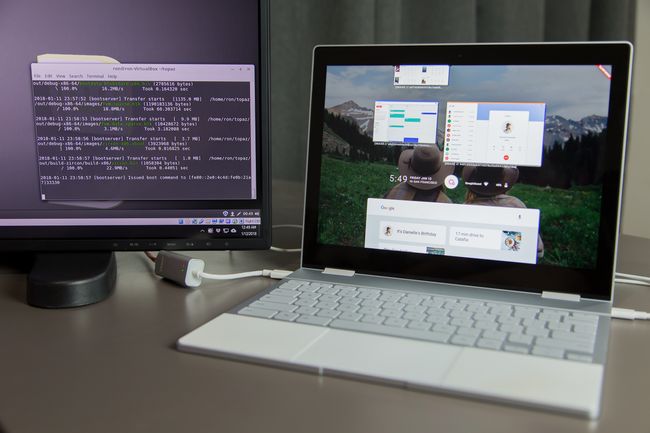
22 | 运行早期版本的Fuchsia OS的Google Pixelbook(图片来源:Ars Technica)
23 |
24 | ## Google Fuchsia究竟是什么?
25 |
26 | 目前,Google内部对于Fuchsia的定位还存在着分歧。虽然它的研发团队表示,他们希望Fuchsia成为倒数第二的谷歌操作系统,运行在所有手机,平板电脑,笔记本电脑和智能家居设备上—但谷歌的领导层仍称之为实验性项目。所以,我们只需静观其变,拭目以待此实验的最终结果。
27 |
28 | 那么回到标题,Google Fuchsia是一个混合操作系统,当前仍处于开发阶段。根据9to5Google的说法,整个Fuchsia OS由两个截然不同但相互关联的用户界面(UI)组成:一个以移动设备为中心的代号为“Armadillo”的用户界面和一个内部称为“ Capybara ”的传统桌面用户界面。
29 |
30 | 到目前为止,有关移动版Fuchsia的信息相较桌面版更为人所知,但最近ArsTechnica已经能够在一个非常原始的状态下使用Google Pixelbook运行Fuchsia。
31 |
32 | 根据硬件将操作系统划分为两个独立的用户界面是一套由微软创造的的经典的移动解决方案。如今Windows 10已经扩展到多个平台,其界面呈现具体取决于它是否与台式计算机,手机,平板电脑或游戏机一起使用。实际上,Windows 10在所有硬件平台上唯一的统一程序是它的内核,它是控制OS绝大部分功能的核心部分。
33 |
34 | 对Fuchsia而言,其内核被称为“Zicron”,它被设计为始终可以升级更新。Fuchsia不仅让应用程序可以安全地持续访问内核,并且添加额外的安全层来消除应用程序与更新后的OS不兼容的情况。
35 |
36 | 无论是移动端还是桌面端,Fuchsia都充满了谷歌的Material Design风格,这种风格同时也遍布其Android和Chrome OS产品。阴影是该设计审美的一大焦点,Fuchsia使用了一种基于Vulkan的名为“Escher”的图形渲染器来完成这项工作。渲染效果结果相较传统的扁平化设计的OS产品更具深度。
37 |
38 | > Vulkan是一种跨平台的高性能低开销的图形API,在移动设备上相较于OpenGL ES有更好的表现。 ———译注
39 |
40 | 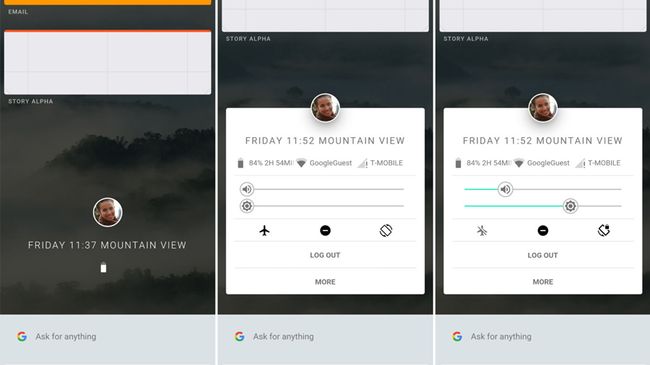
41 |
42 | Fuchsia也非常关注基于卡片的用户界面,您打开的每个应用程序都会出现在其中一张卡片中——此外,您可以将多个应用程序放入一张卡片中。这使得用户能集中精力于手头的任务而不是频繁切换应用程序。由于Google开发了一种名为Flutter的新型跨平台移动应用开发框架,因此可以预计这些应用在不同设备上的外观相同。
43 |
44 | 除此之外,Google Fuchsia围绕着Google智能助理做了进一步的适配,Google Assistant将能更深入地访问和使用您的应用和信息,以提供更多操作和建议。根据GitHub上Fuchsia开发人员页面来看,谷歌将这些应用程序和信息称为“实体”,而且这些应用程序都可以通过Fuchsia上的Google智能助理访问。我们甚至看过最近的一个demo,进一步佐证了Google智能助理在Fuchsia中的深度嵌入。
45 |
46 | 根据9to5Google的一份报告,谷歌似乎也在改变收集Fuchsia内部分析数据的方式。Fuchsia将见证一个名为“Cobalt”的新分析程序的实施,该程序将收集有关您如何在操作系统中使用应用程序的信息。据称Cobalt是谷歌对安全操作系统采取安全措施的一部分,但加密部分的工作还没有完成——但是,我们确信谷歌最终会更好地为Cobalt提供安全保障。
47 |
48 | 根据9to5谷歌的一份报告,谷歌Chrome或至少早期的Chromium版本已经能够在早期版本的Google Fuchsia上运行。虽然Fuchsia还没有做好发布的准备,但这确实意味着这个新生代操作系统越来越接近可以使用的程度了。
49 |
50 | 最后,Fuchsia有希望成为迄今为止最好的跨设备操作系统。为实现这一目标,Fuchsia使用了GitHub社区称为“Ledger”的新工具。一旦您在Fuchsia设备上登录Google帐户,Ledger将自动在所有Fuchsia设备的所有已安装应用中保存您的位置。
51 |
52 | 总而言之,Fuchsia是谷歌将Chrome和Android中的最佳产品整合到同一个操作系统中的一次尝试,它在任何时候都会比以往高效,无论你是否正在使用它,更不用说跨平台使用了。
53 |
54 | 
55 | Google I/O大会可能就是今后Fuchsia亮相的地方
56 |
57 | ## Google Fuchsia发布日期
58 | 自2016年8月以来,我们已经看到大量关于Google Fuchsia发布日期的传言——但都被证明是假的。这些谣言通常出现在谷歌在加利福尼亚举行的Google大型IO开发者活动之前,或者当我们获悉大型硬件版本发布即将来临时。
59 |
60 | 早在二月份,据透露,谷歌前安卓平台安全负责人Nick Kralevich已离开Android团队,在Fuchsia部门“定义安全”。Kralevich将其描述为“新的实验性的操作系统”,但并没有向我们展示Fuchsia任何特定的启动窗口,但这确实显示了谷歌选择将Fuchsia置于其最重要资源的位置。
61 |
62 | 现在谷歌的Pixel活动已经过去了,所以你不应期待Google Fuchsia很快就会出现。该猜测指出,Fuchsia将在未来三年内在智能家居设备上运行,并在未来五年内完全公开发布。然而,这似乎是一个不太可信的谣言——如果我们看到它在2024年之前发布(或Android系统),我们会感到非常惊讶。
63 |
64 | 无论如何,当接近可能的发布日期时,请锁定该此页面上,我们会为您提供一些关于Fuchsia的重要信息。
65 |
66 | 
67 |
68 | Fuchsia会是Android的终结者吗?
69 |
70 | ## Fuchsia对于Android和Chrome以及Windows和macOS有什么意义?
71 |
72 | 舆论称Google Fuchsia是谷歌对微软和苹果联合平台的回应。无论是将Android变成两大智能手机平台之一,还是后来推广Chrome操作系统——更不用说谷歌基于网络的生产力计划G-Suite,谷歌俨然已经成为所有平台上的主要参与者。
73 |
74 | 从谷歌透露出的消息来看,谷歌正着手完成微软和苹果拥有的Windows 10,iOS和macOS High Sierra的大部分内容。当然,是以非常“Google”的方式完成的。您可以轻松地获得Google无与伦比的搜索和数据跟踪功能——Google智能助理和'entities',以及一个不断发展的用户界面,以满足访问其设备的需求。这些是Fuchsia比微软和Apple的产品更具吸引力的的宣传点。
75 |
76 | Fuchsia最终会意味着Android和Chrome的终结吗?在名义上,这确实很有可能,但它们的设计原则几乎肯定会存在——有太多基础性的功能,无法建立在它们之上,只需看看在最近两个版本的Fuchsia的早期版本中找到的Material设计语言,就能略知一二。
77 |
78 | 最终结果可能会在今年晚些时候的预览版或2019年的可购买的设备中看到,这将是谷歌最担心的一个平台。借助Fuchsia,Google将能够同时向所有版本推送新的更新和功能,从而简化支持以及用户使用。
79 |
80 | 有了Fuchsia,谷歌将成为微软和苹果公司的一个更强大的敌人,这对Android和Chromebook用户来说是一个非常诱人的选择。谁知道呢,或许这足以让人们从微软和Apple产品阵营中投入Fuchsia的怀抱。
81 |
82 | ***
83 | 本文由[Fuchsia OS 中文社区出品](https://fuchsia-china.com)翻译出品
84 | 原作者:Joe Osborne; 译者:[Arktische](https://github.com/Arktische) ;校对:[bootingman](https://github.com/bootingman)
85 | 原文链接:https://www.techradar.com/news/google-fuchsia
86 | 本文链接:https://fuchsia-china.com/google-fuchsia-os-rumors/
87 |
--------------------------------------------------------------------------------
/talk/许中兴博士演讲:Fuchsia OS 简介及幻灯片下载.md:
--------------------------------------------------------------------------------
1 | 许中兴博士在开源开发工具大会 HelloGCC 2018上发表了一个关于 Fuchsia 的精彩演讲,在征得本人同意的情况下,Fuchsia OS 中文社区将原幻灯片稍作整理,发表于社区网站,希望可以帮助更多正在学习 Fuchsia 系统的朋友,在此先感谢中兴博士的付出和支持,这里是是 [GitHub 地址](https://github.com/xuzhongxing/),欢迎关注。
2 |
3 | - 本演讲的 PDF 下载地址是:[https://xuzhongxing.github.io/201806fuchsia.pdf](https://xuzhongxing.github.io/201806fuchsia.pdf)
4 | - Fuchsia 中文社区备份下载:[https://fuchsia-china.com/dl/201806fuchsia.pdf](https://fuchsia-china.com/dl/201806fuchsia.pdf)
5 | 以下为演讲内容整理:
6 | ***
7 |
8 | # Fuchsia的来历
9 | - 多年的Android, ChromeOS开发经验⼀⽅⾯让Google在操作系统⽅⾯积累了⾜够多的⼈才和组件,另⼀⽅⾯也充分认识到了Linux kernel很多的局限性
10 | - Fuchsia是⼀个全新的操作系统的统称。Google挑选了⼀系列它认为合适的技术和组件进⼊这个操作系统,⽐如:微内核,基于能⼒的访问控制,Vulkan图形接⼝,3D桌⾯渲染Scenic,Flutter应⽤开发框架。⽬前⽀持的编程语⾔是:C/C++, Go, Rust, Dart
11 | - Google2016年中放出了所有的代码,但是没有正式宣布这个项⽬的⽬标,开发社区⽬前有⼀个IRC频道进⾏交流
12 | - ⽀持的架构是X86-64和ARM 64,⽀持的设备从IoT到服务器
13 |
14 | # 现代通⽤、开放OS需要⾯对的⽅⾯
15 | - 上游硬件⼚商
16 | - 下游应⽤开发者
17 | - 设备友商
18 | - ⽤户
19 | - ⿊客
20 |
21 | # Fuchsia解决现代OS痛点
22 | - 原⽣进程沙箱,解决应⽤安全和分发问题(⿊客)
23 | - Linux: namespace, control group, unionfs => docker
24 | - 稳定的驱动接⼝,硬件⼚商可独⽴维护硬件驱动(硬件)
25 | - 系统模块化,分层,设备⼚商可以灵活定制专有系统(友商)
26 | - 基于Vulkan和物理渲染的纯3D UI,全局光照(⽤户)
27 | - Flutter应⽤开发框架(开发者)
28 |
29 | # 关于进程沙箱,Fuchsia重新思考三个Unix的基础抽象机制
30 | - 全局⽂件系统
31 | - ⽤户
32 | - 进程的创建
33 |
34 | # 全局⽂件系统
35 | - 在Unix⾥,存在⼀个全局的根⽂件系统
36 | - 它是每个进程共享的基础资源
37 | - ⽂件系统涵盖了⾮⽂件资源:/proc, /sys, ..
38 | - ⽹络是例外
39 | - 在Fuchsia⾥,没有全局根⽂件系统
40 | - ⽂件和⽂件系统成为⼀个局部概念(局限在每个⽂件系统进程⾥),从⽽在进程内核数据结构⾥
41 | 没有file
42 | - ⽤namespace来定义⼀个进程能够访问的资源
43 | - 每个name(路径)对应⼀个资源进程channel 的handle
44 | - “/“ -> root vfs service handle, “/dev” -> dev fs service handle, “/net/dns” -> DNS service handle
45 |
46 | # User
47 | - 在Unix中,user本来是⽤作不同的⽤户登录共享服务器的机制
48 | - user是真正的⽤户
49 | - 后来主要⽤作权限控制,弱化的沙箱机制
50 | - 在Fuchsia中,在底层(Zircon, Garnet)没有⽤户的概念
51 | - ⽤namespace来控制进程能够访问的资源
52 | - Capability-based access control
53 | - 从⽽在进程⾥没有uid
54 |
55 | # 进程的创建
56 | - 在Unix中,新的进程由⽼的进程fork⽽来
57 | - 新的进程继承⽗进程的全部资源
58 | - ⼀种偷懒的设计
59 | - 在Fuchsia中,新进程的创建需要从头开始
60 | - 创建process, thread
61 | - ⽗进程建⽴初始的namespace到资源channel handle的映射
62 | - 调⽤process_start显式的告诉内核新的进程可以跑了
63 | - 在Fuchsia内核的process数据结构⾥,没有file和uid
64 |
65 | # 仿佛是专⻔针对漏洞利⽤作出的设计
66 | - 典型的漏洞利⽤步骤
67 | - fork()/exec()开反向shell
68 | - 继承uid(或者通过获得root uid进⾏提权)获得泛在授权
69 | - 访问全局⽂件系统
70 | - 在Fuchsia⾥,以上机制全都不存在
71 | - 创建进程时显式建⽴root namespace
72 | - 没有user,从⽽没有ambient authority (DAC/MAC)
73 | - Capability-based access control
74 | - 能访问的资源是⽗进程赋予的namespace
75 | - 看不到初始namespace之外的任何资源
76 |
77 | # 微内核
78 | - Linus vs Tanenbaum的论战
79 | - Tanenbaum: Linux是七⼗年代的技术。在1991年写宏内核是错误的。争论早就结束了,微内核已经赢了。我是教授,Minix只是我的hobby,所以别拿Minix说事。
80 | - Linus: Linux⽐你写的Minix强多了。微内核只是你们学术界的玩具,我看过所有的关于微内核效率优化的论⽂,它们实际上只是在重复宏内核早就⽤过的技巧
81 | - Mach, Hurd
82 | - Performance overhead
83 | - Context switching (user space <=> kernel space)
84 | - Thread scheduling
85 |
86 | 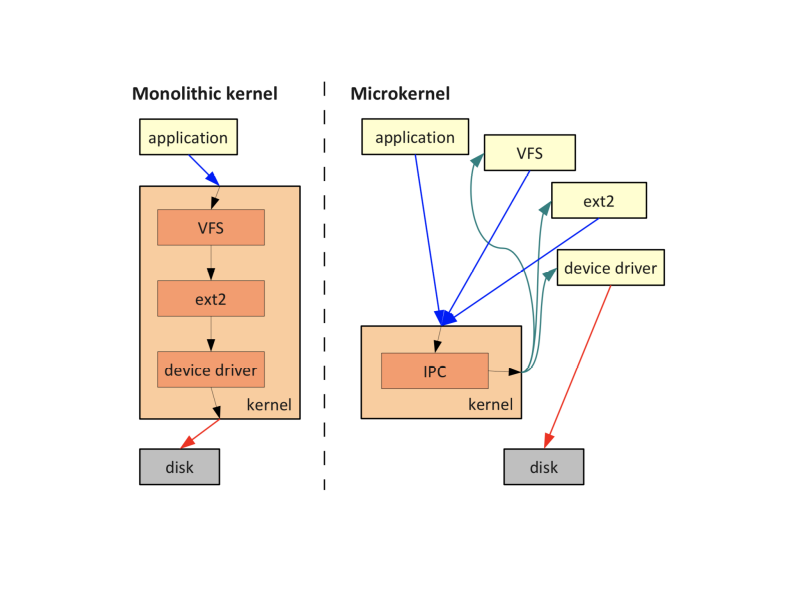
87 | 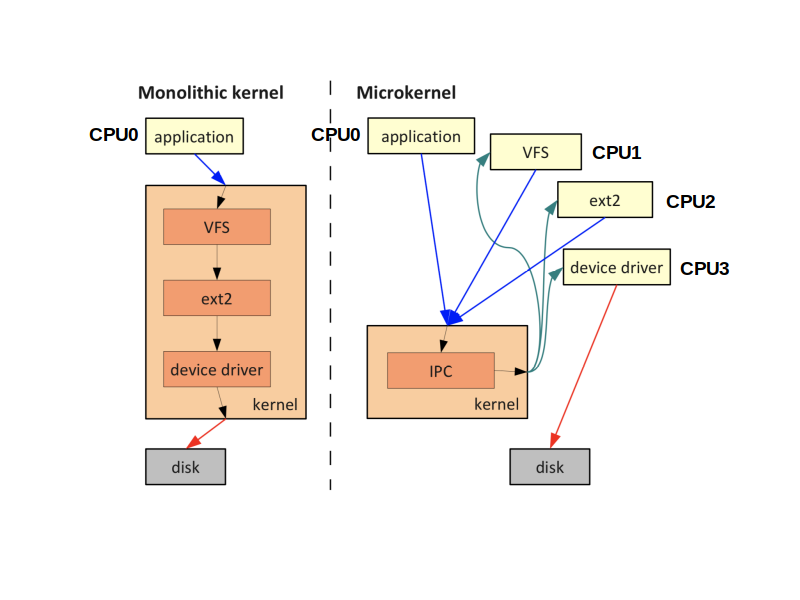
88 |
89 | # 世界需要新的操作系统
90 | - Windows⽼迈⻰钟,历史负担太重,微软⾃⼰的创新Midori胎死腹中,因为⽆法承受在新的框架中重新实现⼀遍Windows的全部功能,只能在原地进⾏重构
91 | - Linux只关⼼服务器的世界,就像⼀个专注于在甲板下⾯锅炉房⾥⼲活的锅炉⼯,上不得桌
92 | - MacOS, iOS封闭在苹果的硬件⽣态⾥
93 | - Android为了弥补Linux的缺点打上了⼀个厚厚的中间层,不断在做着妥协
94 | - GNU Hurd作为GNU项⽬“最后的组件”⼀直未能产品化,原因是“微内核消息传递机制debug太困难”?
95 | - Unix的后继者Plan 9于2002年发布了最后⼀个版本,它的余热随着作者融⼊了Go
96 |
97 | # Fuchsia在各个平台上的可能的优势
98 | - 在服务器平台上,原⽣的进程沙箱机制将带来新的安全特性和容器机制
99 | - 在桌⾯平台上,类似于游戏3D引擎pipeline的图形栈以及毫⽆遗产负担的实现将使电⼦娱乐应⽤变得更为⾼效;⽆缝兼容庞⼤的Android⽣态
100 | - 在移动平台上,系统的模块化⽅便第三⽅设备⼚商的全⾯
101 | 定制,驱动框架⽅便硬件⼚商编写和维护私有驱动
102 |
103 | 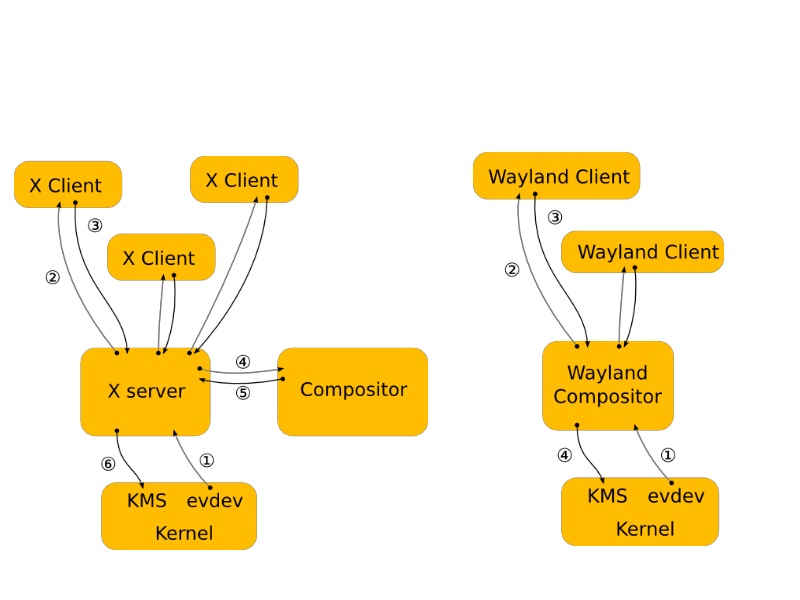
104 |
105 | # Fuchsia分层
106 | - Fuchsia是⼀个像Lego玩具⼀样组装起来的操作系统
107 | - ⾕歌在设计时已经考虑了其他⼚商可能会深度定制适配⾃⼰产品的操作系统,所以模块化做得⽐Android彻底很多
108 | - ⼚商的深度定制可以从以下任意⼀层开始
109 | - Zircon: 微内核,基础服务进程(设备管理器,核⼼设备驱动,libc, 进程间通信接⼝库fidl)
110 | - Garnet: 设备层⾯的系统服务:软件安装,通信,媒体,图形,包管理,更新系统等
111 | - Peridot: ⽤户体验的基础设施层:模块,⽤户,存储服务,等等
112 | - Topaz: 系统的基础应⽤,Web, Dart, Flutter
113 | - 这些名字来⾃于Steven Universe
114 |
115 | # Fuchsia启动流程
116 | 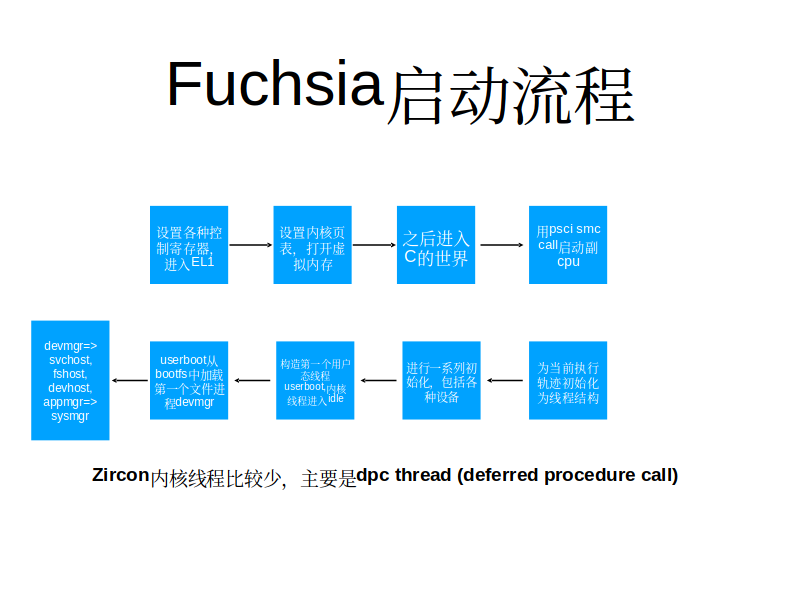
117 | 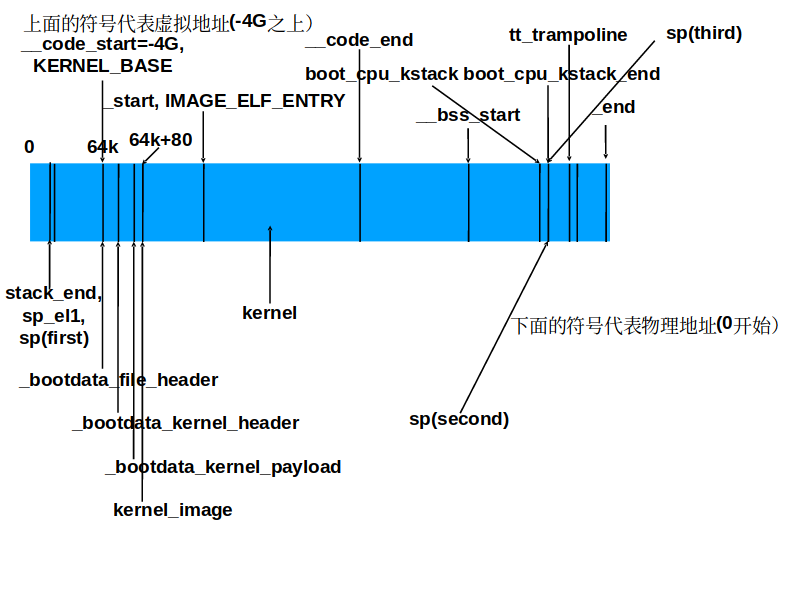
118 | # 第⼀个⽤户态进程的创建
119 | - 之前的微内核⼀般需要实现⼀个基本的⽂件系统加载功能在内核⾥,然后加载第⼀个⽤户进程⽂件,之后就不再使⽤内核⾥的⽂件系统功能
120 | - Zircon把第⼀个⽤户态进程的ELF⽂件嵌⼊进内核映像⾥,
121 | 这样就不需要从⽂件系统⾥加载了。
122 |
123 | # 系统调⽤vDSO
124 | - 内核映像还嵌⼊了⼀个vDSO,包含了系统调⽤⼊⼝
125 | - 这个vDSO被映射到每个进程的内存地址空间⾥
126 | - 它本身是ELF shared object⽂件格式,但是⼜不是以⽂件形态存在,所以叫做vDSO
127 | - Linux kernel也⽤这种⽅式实现了⼀些简单的系统调⽤,⽐如getdaytime()。但是Zircon并不是为了避免切换内核态,⽽是把系统调⽤的代码嵌⼊到了内核⾥。
128 |
129 | # 内核态功能
130 | - 虚拟内存和物理内存管理
131 | - vmo: virtual memory object: 包含物理⻚
132 | - 进程和线程管理
133 | - Handle指向内核中的各种对象
134 | - 进程间通信
135 | - channel
136 | - MessagePack
137 | - signal and wait
138 | - 中断处理
139 | - 唤醒等待该中断的⽤户线程
140 | - 没有POSIX⽀持
141 |
142 | # Zircon⽤户态
143 | - devmgr, devhost, svchost, fshost
144 | - appmgr
145 | - sysmgr
146 | - Fuchsia定义了⼀套稳定的DDK接⼝,硬件⼚商开发⾃⼰的闭源驱动的⽅便性⼤⼤提⾼了。因为Linux kernel是拒绝提供稳定的内核内部驱动接⼝的。要想被官⽅维护,就得放进内核⾥,否则只能⾃⼰跟着内核去改接⼝。
147 | - 内核不提供POSIX⽀持,⽤户层可以模拟⼀部分POSIX接⼝
148 |
149 | # channel
150 | - channel是进程间通信的(唯⼀)机制
151 | - ⼀个channel有2个handle,h1, h2,从⼀头写⼊消息,从另⼀头读出消息
152 | - ⼀个进程在创建时有⼀些初始channel handle
153 | - 要与⼀个服务x建⽴通信,进程创建⼀个channel,⾃⼰拿h1,把h2通过已有的channel (root_svc) 发送给相应的服务,服务拿到h2,将其放到⾃⼰的事件监听循环⾥
154 | - 示意api:connectToService(root_svc, “x”, h2)
155 | - ⽐如open(),在linux⾥会在进程的内核数据结构⾥增加打开的⽂件描述符,不涉及到其他进程;在fuchsia⾥则是创建⼀个channel, 把远端发送给相应的服务,建⽴通信通道
156 | - channel_write()把消息写到另⼀个进程能看到的地⽅。进程间是不共享内存地址空间的。只有内核的地址空间是进程共享的。所以channel_write()必须是⼀个系统调⽤,切换到内核地址空间⾥进⾏消息写⼊。⼀旦切换到内核地址空间⾥,就能看到另⼀个handle了。写到那个handle的消息队列⾥,等另外⼀个进程切换到内核地址空间⾥,就能看到消息了。
157 |
158 | # channel的实现
159 | 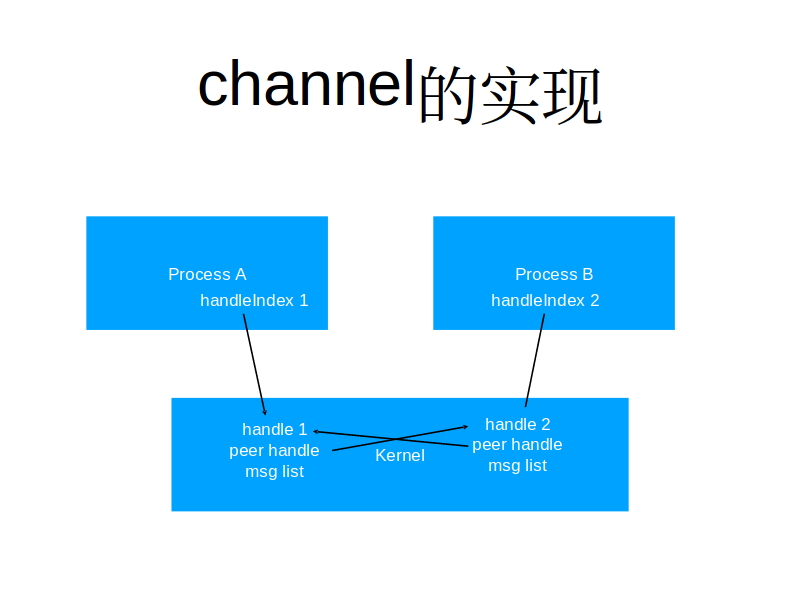
160 |
161 | # Kernel Address Space Layout Randomization
162 | - ELF的加载位置是随机的,并不是遵守ELF program header⾥规定的v_addr
163 | - 会在加载时对符号地址进⾏修正
164 |
165 | # Fuchsia⽬前的运⾏环境
166 | - Qemu
167 | - 最⽅便的环境,没有GUI
168 | - Intel NUC
169 | - ⽬前最好的测试环境,有GUI
170 | - Vim2 dev board
171 | - 学习ARM64架构,等⾕歌开放出GPU驱动和Bootloader
172 |
173 | # Qemu
174 | - 在Qemu中可以直接运⾏
175 | - booloader加载到0x40080000
176 | - 内核加载到0x40090000
177 | - ramdisk加载到0x48000000
178 | - 0x40000000-0x40080000之间是FDT flattened device tree
179 |
180 | # Intel NUC
181 | - 开发机启动paving服务,会将整个Fuchsia操作系统刷到NUC上。
182 | - 启动zircon到zedboot模式,会直接连接开发机
183 |
184 | # Khadas Vim2开发板
185 | - Amlogic S912 SoC
186 | - Quad Core A53
187 | - Mali-T450MP5 GPU
188 | - 3G DDR4
189 | - 64G eMMC storage
190 | - HDMI, USB-C, USB 2.0, TF Card, Ethernet, WiFi,Bluetooth
191 |
192 | # Vim2的启动
193 | - Arm Trusted Firmware:
194 | - BL1 in ROM
195 | - Custom u-boot: BL2 + BL30 +BL31 + BL32 + u-boot(BL33)
196 | - 其中bl2,bl30,bl31,bl32都是amlogic提供的binary
197 | - bl33从emmc offset 0x50200处开始,加载到内存16MB处执⾏。
198 | - 使⽤fastboot协议可以⽤usb-c将zircon kernel写⼊boot分区
199 | - 需要⼀个适合zircon的bootloader来启动zircon,但是Google尚未放出
200 | - 所以还不能启动zircon
201 |
202 | # 系统软件研发能⼒的获得
203 | - 系统软件与应⽤软件不同
204 | - 有⼤量的缄默知识,⻓期积累的know-how
205 | - ⼯具链:gcc, ld, as, clang, ELF,
206 | - 微处理器:X86, ARM,
207 | - 周边设备:UEFI, ACPI, APIC, PCIE, USB, SATA, AHCI, GPU …
208 | - 知识存在于代码中,没有系统化的know-how⽂档,硬件标准⽂档⼀般都是1000+⻚
209 | - 写玩具系统容易,产品级的设计⾮常困难:⽀持海量的设备,应⽤,负载
210 | - 要经过以下四个阶段
211 | - 模仿
212 | - 理解
213 | - 掌握
214 | - 创新
215 |
216 | # 总结
217 | - Fuchsia在安全⽅⾯具有重要的创新
218 | - 在未来Fuchsia会成为⼀个⾮常重要的操作系统
219 |
220 | # ⼀些笔记
221 | - https://github.com/xuzhongxing/fuchsia-notes
222 |
223 | ***
224 | 许中兴博士的演讲非常精彩,基本上把目前 Fuchsia 的状况做了一个全面性的介绍,欢迎大家关注中兴博士的 GitHub,同时 Fuchsia OS 中文社区接下来也会根据中兴笔记推出 Fuchsia 内核笔记,敬请期待。
225 |
--------------------------------------------------------------------------------