├── public
├── favicon.ico
├── robots.txt
├── .htaccess
└── index.php
├── resources
├── css
│ └── app.css
├── js
│ ├── app.js
│ └── bootstrap.js
└── views
│ └── welcome.blade.php
├── database
├── .gitignore
├── seeders
│ └── DatabaseSeeder.php
├── migrations
│ ├── 2014_10_12_100000_create_password_reset_tokens_table.php
│ ├── 2014_10_12_000000_create_users_table.php
│ ├── 2019_08_19_000000_create_failed_jobs_table.php
│ ├── 2019_12_14_000001_create_personal_access_tokens_table.php
│ └── 0000_00_00_000000_create_websockets_statistics_entries_table.php
└── factories
│ └── UserFactory.php
├── bootstrap
├── cache
│ └── .gitignore
└── app.php
├── storage
├── logs
│ └── .gitignore
├── app
│ ├── public
│ │ └── .gitignore
│ └── .gitignore
└── framework
│ ├── testing
│ └── .gitignore
│ ├── views
│ └── .gitignore
│ ├── cache
│ ├── data
│ │ └── .gitignore
│ └── .gitignore
│ ├── sessions
│ └── .gitignore
│ └── .gitignore
├── tests
├── TestCase.php
├── Unit
│ └── ExampleTest.php
├── Feature
│ └── ExampleTest.php
└── CreatesApplication.php
├── .gitattributes
├── vite.config.js
├── .gitignore
├── .editorconfig
├── app
├── Http
│ ├── Controllers
│ │ └── Controller.php
│ ├── Middleware
│ │ ├── EncryptCookies.php
│ │ ├── VerifyCsrfToken.php
│ │ ├── PreventRequestsDuringMaintenance.php
│ │ ├── TrimStrings.php
│ │ ├── TrustHosts.php
│ │ ├── Authenticate.php
│ │ ├── ValidateSignature.php
│ │ ├── TrustProxies.php
│ │ └── RedirectIfAuthenticated.php
│ └── Kernel.php
├── Providers
│ ├── BroadcastServiceProvider.php
│ ├── AppServiceProvider.php
│ ├── AuthServiceProvider.php
│ ├── EventServiceProvider.php
│ └── RouteServiceProvider.php
├── Events
│ └── RealTimeMessage.php
├── Console
│ └── Kernel.php
├── Exceptions
│ └── Handler.php
├── Notifications
│ └── RealTimeNotification.php
└── Models
│ └── User.php
├── package.json
├── README.md
├── routes
├── web.php
├── api.php
├── console.php
└── channels.php
├── .env.example
├── config
├── cors.php
├── services.php
├── view.php
├── hashing.php
├── broadcasting.php
├── sanctum.php
├── filesystems.php
├── cache.php
├── queue.php
├── mail.php
├── auth.php
├── logging.php
├── websockets.php
├── database.php
├── app.php
└── session.php
├── phpunit.xml
├── artisan
└── composer.json
/public/favicon.ico:
--------------------------------------------------------------------------------
1 |
--------------------------------------------------------------------------------
/resources/css/app.css:
--------------------------------------------------------------------------------
1 |
--------------------------------------------------------------------------------
/database/.gitignore:
--------------------------------------------------------------------------------
1 | *.sqlite*
2 |
--------------------------------------------------------------------------------
/bootstrap/cache/.gitignore:
--------------------------------------------------------------------------------
1 | *
2 | !.gitignore
3 |
--------------------------------------------------------------------------------
/resources/js/app.js:
--------------------------------------------------------------------------------
1 | import './bootstrap';
2 |
--------------------------------------------------------------------------------
/storage/logs/.gitignore:
--------------------------------------------------------------------------------
1 | *
2 | !.gitignore
3 |
--------------------------------------------------------------------------------
/public/robots.txt:
--------------------------------------------------------------------------------
1 | User-agent: *
2 | Disallow:
3 |
--------------------------------------------------------------------------------
/storage/app/public/.gitignore:
--------------------------------------------------------------------------------
1 | *
2 | !.gitignore
3 |
--------------------------------------------------------------------------------
/storage/app/.gitignore:
--------------------------------------------------------------------------------
1 | *
2 | !public/
3 | !.gitignore
4 |
--------------------------------------------------------------------------------
/storage/framework/testing/.gitignore:
--------------------------------------------------------------------------------
1 | *
2 | !.gitignore
3 |
--------------------------------------------------------------------------------
/storage/framework/views/.gitignore:
--------------------------------------------------------------------------------
1 | *
2 | !.gitignore
3 |
--------------------------------------------------------------------------------
/storage/framework/cache/data/.gitignore:
--------------------------------------------------------------------------------
1 | *
2 | !.gitignore
3 |
--------------------------------------------------------------------------------
/storage/framework/sessions/.gitignore:
--------------------------------------------------------------------------------
1 | *
2 | !.gitignore
3 |
--------------------------------------------------------------------------------
/storage/framework/cache/.gitignore:
--------------------------------------------------------------------------------
1 | *
2 | !data/
3 | !.gitignore
4 |
--------------------------------------------------------------------------------
/storage/framework/.gitignore:
--------------------------------------------------------------------------------
1 | compiled.php
2 | config.php
3 | down
4 | events.scanned.php
5 | maintenance.php
6 | routes.php
7 | routes.scanned.php
8 | schedule-*
9 | services.json
10 |
--------------------------------------------------------------------------------
/tests/TestCase.php:
--------------------------------------------------------------------------------
1 | assertTrue(true);
15 | }
16 | }
17 |
--------------------------------------------------------------------------------
/.editorconfig:
--------------------------------------------------------------------------------
1 | root = true
2 |
3 | [*]
4 | charset = utf-8
5 | end_of_line = lf
6 | indent_size = 4
7 | indent_style = space
8 | insert_final_newline = true
9 | trim_trailing_whitespace = true
10 |
11 | [*.md]
12 | trim_trailing_whitespace = false
13 |
14 | [*.{yml,yaml}]
15 | indent_size = 2
16 |
17 | [docker-compose.yml]
18 | indent_size = 4
19 |
--------------------------------------------------------------------------------
/app/Http/Controllers/Controller.php:
--------------------------------------------------------------------------------
1 |
13 | */
14 | protected $except = [
15 | //
16 | ];
17 | }
18 |
--------------------------------------------------------------------------------
/app/Http/Middleware/VerifyCsrfToken.php:
--------------------------------------------------------------------------------
1 |
13 | */
14 | protected $except = [
15 | //
16 | ];
17 | }
18 |
--------------------------------------------------------------------------------
/README.md:
--------------------------------------------------------------------------------
1 | # Laravel Real-Time Notifications Example Application (Updated 2023)
2 |
3 | 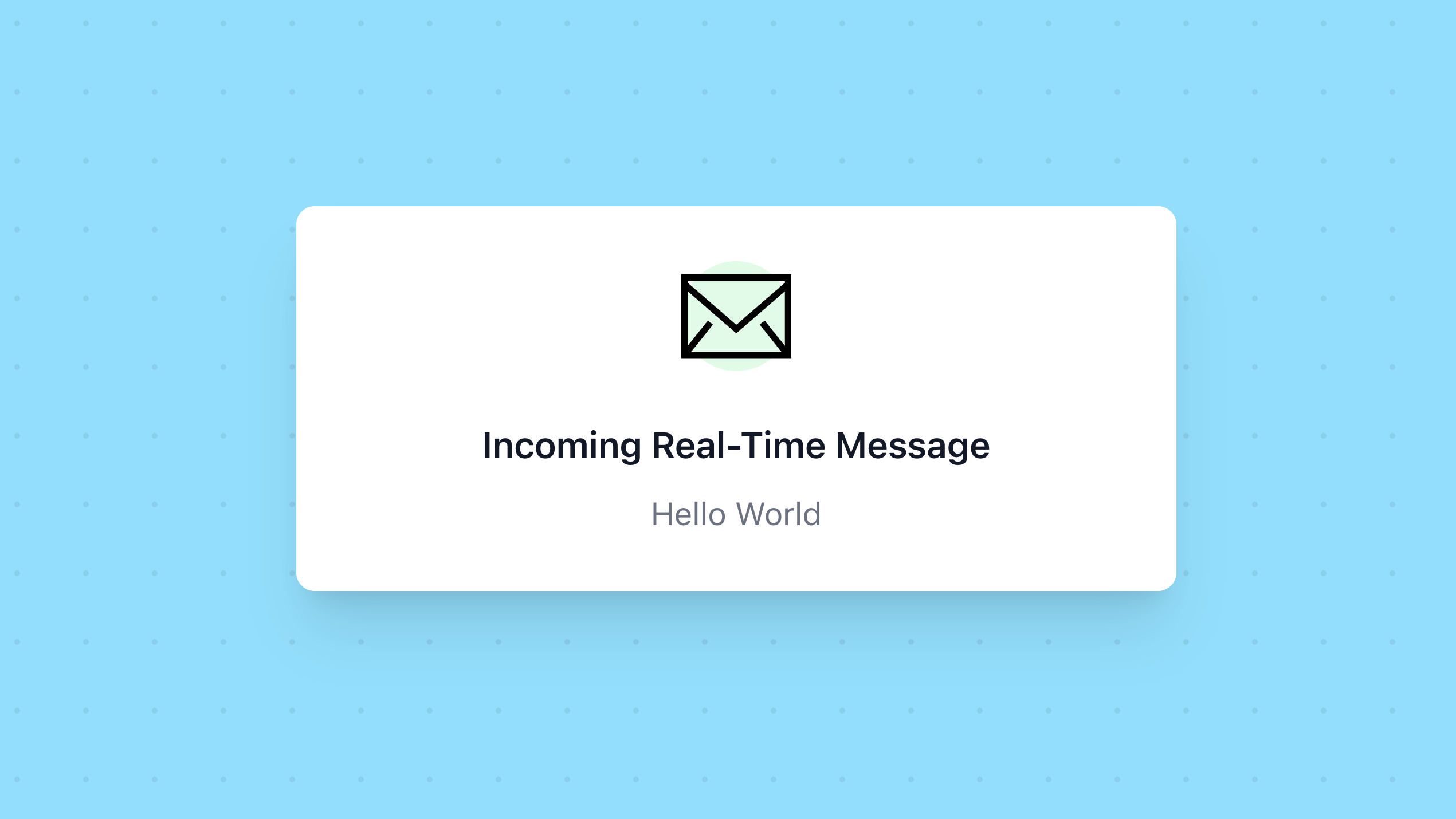
4 |
5 |
6 | This is the demo application for my blog article "Laravel Real-Time Notifications".
7 | Find the article [here](https://christoph-rumpel.com/2020/11/laravel-real-time-notifications).
8 |
--------------------------------------------------------------------------------
/tests/Feature/ExampleTest.php:
--------------------------------------------------------------------------------
1 | get('/');
16 |
17 | $response->assertStatus(200);
18 | }
19 | }
20 |
--------------------------------------------------------------------------------
/app/Providers/BroadcastServiceProvider.php:
--------------------------------------------------------------------------------
1 |
13 | */
14 | protected $except = [
15 | //
16 | ];
17 | }
18 |
--------------------------------------------------------------------------------
/app/Http/Middleware/TrimStrings.php:
--------------------------------------------------------------------------------
1 |
13 | */
14 | protected $except = [
15 | 'current_password',
16 | 'password',
17 | 'password_confirmation',
18 | ];
19 | }
20 |
--------------------------------------------------------------------------------
/tests/CreatesApplication.php:
--------------------------------------------------------------------------------
1 | make(Kernel::class)->bootstrap();
18 |
19 | return $app;
20 | }
21 | }
22 |
--------------------------------------------------------------------------------
/app/Http/Middleware/TrustHosts.php:
--------------------------------------------------------------------------------
1 |
13 | */
14 | public function hosts(): array
15 | {
16 | return [
17 | $this->allSubdomainsOfApplicationUrl(),
18 | ];
19 | }
20 | }
21 |
--------------------------------------------------------------------------------
/app/Providers/AppServiceProvider.php:
--------------------------------------------------------------------------------
1 | expectsJson() ? null : route('login');
16 | }
17 | }
18 |
--------------------------------------------------------------------------------
/app/Http/Middleware/ValidateSignature.php:
--------------------------------------------------------------------------------
1 |
13 | */
14 | protected $except = [
15 | // 'fbclid',
16 | // 'utm_campaign',
17 | // 'utm_content',
18 | // 'utm_medium',
19 | // 'utm_source',
20 | // 'utm_term',
21 | ];
22 | }
23 |
--------------------------------------------------------------------------------
/database/seeders/DatabaseSeeder.php:
--------------------------------------------------------------------------------
1 | create();
16 |
17 | // \App\Models\User::factory()->create([
18 | // 'name' => 'Test User',
19 | // 'email' => 'test@example.com',
20 | // ]);
21 | }
22 | }
23 |
--------------------------------------------------------------------------------
/routes/web.php:
--------------------------------------------------------------------------------
1 | login(User::first());
19 |
20 | return view('welcome');
21 | });
22 |
--------------------------------------------------------------------------------
/routes/api.php:
--------------------------------------------------------------------------------
1 | get('/user', function (Request $request) {
18 | return $request->user();
19 | });
20 |
--------------------------------------------------------------------------------
/app/Providers/AuthServiceProvider.php:
--------------------------------------------------------------------------------
1 |
14 | */
15 | protected $policies = [
16 | //
17 | ];
18 |
19 | /**
20 | * Register any authentication / authorization services.
21 | */
22 | public function boot(): void
23 | {
24 | //
25 | }
26 | }
27 |
--------------------------------------------------------------------------------
/routes/console.php:
--------------------------------------------------------------------------------
1 | comment(Inspiring::quote());
19 | })->purpose('Display an inspiring quote');
20 |
--------------------------------------------------------------------------------
/app/Events/RealTimeMessage.php:
--------------------------------------------------------------------------------
1 | message = $message;
19 | }
20 |
21 | public function broadcastOn(): Channel
22 | {
23 | // return new Channel('events');
24 | return new PrivateChannel('events');
25 | }
26 | }
27 |
--------------------------------------------------------------------------------
/public/.htaccess:
--------------------------------------------------------------------------------
1 |
2 |
3 | Options -MultiViews -Indexes
4 |
5 |
6 | RewriteEngine On
7 |
8 | # Handle Authorization Header
9 | RewriteCond %{HTTP:Authorization} .
10 | RewriteRule .* - [E=HTTP_AUTHORIZATION:%{HTTP:Authorization}]
11 |
12 | # Redirect Trailing Slashes If Not A Folder...
13 | RewriteCond %{REQUEST_FILENAME} !-d
14 | RewriteCond %{REQUEST_URI} (.+)/$
15 | RewriteRule ^ %1 [L,R=301]
16 |
17 | # Send Requests To Front Controller...
18 | RewriteCond %{REQUEST_FILENAME} !-d
19 | RewriteCond %{REQUEST_FILENAME} !-f
20 | RewriteRule ^ index.php [L]
21 |
22 |
--------------------------------------------------------------------------------
/app/Console/Kernel.php:
--------------------------------------------------------------------------------
1 | command('inspire')->hourly();
16 | }
17 |
18 | /**
19 | * Register the commands for the application.
20 | */
21 | protected function commands(): void
22 | {
23 | $this->load(__DIR__.'/Commands');
24 |
25 | require base_path('routes/console.php');
26 | }
27 | }
28 |
--------------------------------------------------------------------------------
/routes/channels.php:
--------------------------------------------------------------------------------
1 | id === (int) $id;
18 | });
19 |
20 | Broadcast::channel('events', function ($user) {
21 | return true;
22 | });
23 |
--------------------------------------------------------------------------------
/app/Exceptions/Handler.php:
--------------------------------------------------------------------------------
1 |
14 | */
15 | protected $dontFlash = [
16 | 'current_password',
17 | 'password',
18 | 'password_confirmation',
19 | ];
20 |
21 | /**
22 | * Register the exception handling callbacks for the application.
23 | */
24 | public function register(): void
25 | {
26 | $this->reportable(function (Throwable $e) {
27 | //
28 | });
29 | }
30 | }
31 |
--------------------------------------------------------------------------------
/app/Http/Middleware/TrustProxies.php:
--------------------------------------------------------------------------------
1 | |string|null
14 | */
15 | protected $proxies;
16 |
17 | /**
18 | * The headers that should be used to detect proxies.
19 | *
20 | * @var int
21 | */
22 | protected $headers =
23 | Request::HEADER_X_FORWARDED_FOR |
24 | Request::HEADER_X_FORWARDED_HOST |
25 | Request::HEADER_X_FORWARDED_PORT |
26 | Request::HEADER_X_FORWARDED_PROTO |
27 | Request::HEADER_X_FORWARDED_AWS_ELB;
28 | }
29 |
--------------------------------------------------------------------------------
/database/migrations/2014_10_12_100000_create_password_reset_tokens_table.php:
--------------------------------------------------------------------------------
1 | string('email')->primary();
16 | $table->string('token');
17 | $table->timestamp('created_at')->nullable();
18 | });
19 | }
20 |
21 | /**
22 | * Reverse the migrations.
23 | */
24 | public function down(): void
25 | {
26 | Schema::dropIfExists('password_reset_tokens');
27 | }
28 | };
29 |
--------------------------------------------------------------------------------
/app/Notifications/RealTimeNotification.php:
--------------------------------------------------------------------------------
1 | message = $message;
17 | }
18 |
19 | public function via($notifiable): array
20 | {
21 | return ['broadcast'];
22 | }
23 |
24 | public function toBroadcast($notifiable): BroadcastMessage
25 | {
26 | return new BroadcastMessage([
27 | 'message' => "$this->message (Message for $notifiable->name)"
28 | ]);
29 | }
30 | }
31 |
--------------------------------------------------------------------------------
/app/Http/Middleware/RedirectIfAuthenticated.php:
--------------------------------------------------------------------------------
1 | check()) {
24 | return redirect(RouteServiceProvider::HOME);
25 | }
26 | }
27 |
28 | return $next($request);
29 | }
30 | }
31 |
--------------------------------------------------------------------------------
/database/migrations/2014_10_12_000000_create_users_table.php:
--------------------------------------------------------------------------------
1 | id();
16 | $table->string('name');
17 | $table->string('email')->unique();
18 | $table->timestamp('email_verified_at')->nullable();
19 | $table->string('password');
20 | $table->rememberToken();
21 | $table->timestamps();
22 | });
23 | }
24 |
25 | /**
26 | * Reverse the migrations.
27 | */
28 | public function down(): void
29 | {
30 | Schema::dropIfExists('users');
31 | }
32 | };
33 |
--------------------------------------------------------------------------------
/database/migrations/2019_08_19_000000_create_failed_jobs_table.php:
--------------------------------------------------------------------------------
1 | id();
16 | $table->string('uuid')->unique();
17 | $table->text('connection');
18 | $table->text('queue');
19 | $table->longText('payload');
20 | $table->longText('exception');
21 | $table->timestamp('failed_at')->useCurrent();
22 | });
23 | }
24 |
25 | /**
26 | * Reverse the migrations.
27 | */
28 | public function down(): void
29 | {
30 | Schema::dropIfExists('failed_jobs');
31 | }
32 | };
33 |
--------------------------------------------------------------------------------
/.env.example:
--------------------------------------------------------------------------------
1 | APP_NAME=Laravel
2 | APP_ENV=local
3 | APP_KEY=base64:f5peHFScDaejRhBR2KbaPDRPo33mDJj430z0+ddd6aE=
4 | APP_DEBUG=true
5 | APP_URL=http://test-real-notifications.test
6 |
7 | LOG_CHANNEL=stack
8 | LOG_DEPRECATIONS_CHANNEL=null
9 | LOG_LEVEL=debug
10 |
11 | DB_CONNECTION=mysql
12 | DB_HOST=127.0.0.1
13 | DB_PORT=3306
14 | DB_DATABASE=test_real_notifications
15 | DB_USERNAME=root
16 | DB_PASSWORD=
17 |
18 | BROADCAST_DRIVER=pusher
19 | CACHE_DRIVER=file
20 | FILESYSTEM_DISK=local
21 | QUEUE_CONNECTION=sync
22 | SESSION_DRIVER=file
23 | SESSION_LIFETIME=120
24 |
25 | MEMCACHED_HOST=127.0.0.1
26 |
27 | PUSHER_APP_ID=12345
28 | PUSHER_APP_KEY=12345
29 | PUSHER_APP_SECRET=12345
30 | PUSHER_PORT=443
31 | PUSHER_SCHEME=https
32 | PUSHER_APP_CLUSTER=mt1
33 |
34 | VITE_PUSHER_APP_KEY="${PUSHER_APP_KEY}"
35 | VITE_PUSHER_HOST="${PUSHER_HOST}"
36 | VITE_PUSHER_PORT="${PUSHER_PORT}"
37 | VITE_PUSHER_SCHEME="${PUSHER_SCHEME}"
38 | VITE_PUSHER_APP_CLUSTER="${PUSHER_APP_CLUSTER}"
39 |
--------------------------------------------------------------------------------
/config/cors.php:
--------------------------------------------------------------------------------
1 | ['api/*', 'sanctum/csrf-cookie'],
19 |
20 | 'allowed_methods' => ['*'],
21 |
22 | 'allowed_origins' => ['*'],
23 |
24 | 'allowed_origins_patterns' => [],
25 |
26 | 'allowed_headers' => ['*'],
27 |
28 | 'exposed_headers' => [],
29 |
30 | 'max_age' => 0,
31 |
32 | 'supports_credentials' => false,
33 |
34 | ];
35 |
--------------------------------------------------------------------------------
/resources/js/bootstrap.js:
--------------------------------------------------------------------------------
1 | /**
2 | * We'll load the axios HTTP library which allows us to easily issue requests
3 | * to our Laravel back-end. This library automatically handles sending the
4 | * CSRF token as a header based on the value of the "XSRF" token cookie.
5 | */
6 |
7 | import axios from 'axios';
8 | window.axios = axios;
9 |
10 | window.axios.defaults.headers.common['X-Requested-With'] = 'XMLHttpRequest';
11 |
12 | /**
13 | * Echo exposes an expressive API for subscribing to channels and listening
14 | * for events that are broadcast by Laravel. Echo and event broadcasting
15 | * allows your team to easily build robust real-time web applications.
16 | */
17 |
18 | import Echo from 'laravel-echo';
19 | import Pusher from 'pusher-js';
20 |
21 | window.Pusher = Pusher;
22 |
23 | window.Echo = new Echo({
24 | broadcaster: 'pusher',
25 | key: import.meta.env.VITE_PUSHER_APP_KEY,
26 | cluster: import.meta.env.VITE_PUSHER_APP_CLUSTER,
27 | forceTLS: false,
28 | wsPort: 6001,
29 | wsHost: window.location.hostname,
30 | });
31 |
--------------------------------------------------------------------------------
/database/migrations/2019_12_14_000001_create_personal_access_tokens_table.php:
--------------------------------------------------------------------------------
1 | id();
16 | $table->morphs('tokenable');
17 | $table->string('name');
18 | $table->string('token', 64)->unique();
19 | $table->text('abilities')->nullable();
20 | $table->timestamp('last_used_at')->nullable();
21 | $table->timestamp('expires_at')->nullable();
22 | $table->timestamps();
23 | });
24 | }
25 |
26 | /**
27 | * Reverse the migrations.
28 | */
29 | public function down(): void
30 | {
31 | Schema::dropIfExists('personal_access_tokens');
32 | }
33 | };
34 |
--------------------------------------------------------------------------------
/app/Providers/EventServiceProvider.php:
--------------------------------------------------------------------------------
1 | >
16 | */
17 | protected $listen = [
18 | Registered::class => [
19 | SendEmailVerificationNotification::class,
20 | ],
21 | ];
22 |
23 | /**
24 | * Register any events for your application.
25 | */
26 | public function boot(): void
27 | {
28 | //
29 | }
30 |
31 | /**
32 | * Determine if events and listeners should be automatically discovered.
33 | */
34 | public function shouldDiscoverEvents(): bool
35 | {
36 | return false;
37 | }
38 | }
39 |
--------------------------------------------------------------------------------
/database/migrations/0000_00_00_000000_create_websockets_statistics_entries_table.php:
--------------------------------------------------------------------------------
1 | increments('id');
18 | $table->string('app_id');
19 | $table->integer('peak_connection_count');
20 | $table->integer('websocket_message_count');
21 | $table->integer('api_message_count');
22 | $table->nullableTimestamps();
23 | });
24 | }
25 |
26 | /**
27 | * Reverse the migrations.
28 | *
29 | * @return void
30 | */
31 | public function down()
32 | {
33 | Schema::dropIfExists('websockets_statistics_entries');
34 | }
35 | }
36 |
--------------------------------------------------------------------------------
/config/services.php:
--------------------------------------------------------------------------------
1 | [
18 | 'domain' => env('MAILGUN_DOMAIN'),
19 | 'secret' => env('MAILGUN_SECRET'),
20 | 'endpoint' => env('MAILGUN_ENDPOINT', 'api.mailgun.net'),
21 | 'scheme' => 'https',
22 | ],
23 |
24 | 'postmark' => [
25 | 'token' => env('POSTMARK_TOKEN'),
26 | ],
27 |
28 | 'ses' => [
29 | 'key' => env('AWS_ACCESS_KEY_ID'),
30 | 'secret' => env('AWS_SECRET_ACCESS_KEY'),
31 | 'region' => env('AWS_DEFAULT_REGION', 'us-east-1'),
32 | ],
33 |
34 | ];
35 |
--------------------------------------------------------------------------------
/database/factories/UserFactory.php:
--------------------------------------------------------------------------------
1 |
10 | */
11 | class UserFactory extends Factory
12 | {
13 | /**
14 | * Define the model's default state.
15 | *
16 | * @return array
17 | */
18 | public function definition(): array
19 | {
20 | return [
21 | 'name' => fake()->name(),
22 | 'email' => fake()->unique()->safeEmail(),
23 | 'email_verified_at' => now(),
24 | 'password' => '$2y$10$92IXUNpkjO0rOQ5byMi.Ye4oKoEa3Ro9llC/.og/at2.uheWG/igi', // password
25 | 'remember_token' => Str::random(10),
26 | ];
27 | }
28 |
29 | /**
30 | * Indicate that the model's email address should be unverified.
31 | */
32 | public function unverified(): static
33 | {
34 | return $this->state(fn (array $attributes) => [
35 | 'email_verified_at' => null,
36 | ]);
37 | }
38 | }
39 |
--------------------------------------------------------------------------------
/app/Models/User.php:
--------------------------------------------------------------------------------
1 |
19 | */
20 | protected $fillable = [
21 | 'name',
22 | 'email',
23 | 'password',
24 | ];
25 |
26 | /**
27 | * The attributes that should be hidden for serialization.
28 | *
29 | * @var array
30 | */
31 | protected $hidden = [
32 | 'password',
33 | 'remember_token',
34 | ];
35 |
36 | /**
37 | * The attributes that should be cast.
38 | *
39 | * @var array
40 | */
41 | protected $casts = [
42 | 'email_verified_at' => 'datetime',
43 | 'password' => 'hashed',
44 | ];
45 | }
46 |
--------------------------------------------------------------------------------
/config/view.php:
--------------------------------------------------------------------------------
1 | [
17 | resource_path('views'),
18 | ],
19 |
20 | /*
21 | |--------------------------------------------------------------------------
22 | | Compiled View Path
23 | |--------------------------------------------------------------------------
24 | |
25 | | This option determines where all the compiled Blade templates will be
26 | | stored for your application. Typically, this is within the storage
27 | | directory. However, as usual, you are free to change this value.
28 | |
29 | */
30 |
31 | 'compiled' => env(
32 | 'VIEW_COMPILED_PATH',
33 | realpath(storage_path('framework/views'))
34 | ),
35 |
36 | ];
37 |
--------------------------------------------------------------------------------
/phpunit.xml:
--------------------------------------------------------------------------------
1 |
2 |
7 |
8 |
9 | ./tests/Unit
10 |
11 |
12 | ./tests/Feature
13 |
14 |
15 |
16 |
17 | ./app
18 |
19 |
20 |
21 |
22 |
23 |
24 |
25 |
26 |
27 |
28 |
29 |
30 |
31 |
32 |
--------------------------------------------------------------------------------
/app/Providers/RouteServiceProvider.php:
--------------------------------------------------------------------------------
1 | by($request->user()?->id ?: $request->ip());
29 | });
30 |
31 | $this->routes(function () {
32 | Route::middleware('api')
33 | ->prefix('api')
34 | ->group(base_path('routes/api.php'));
35 |
36 | Route::middleware('web')
37 | ->group(base_path('routes/web.php'));
38 | });
39 | }
40 | }
41 |
--------------------------------------------------------------------------------
/config/hashing.php:
--------------------------------------------------------------------------------
1 | 'bcrypt',
19 |
20 | /*
21 | |--------------------------------------------------------------------------
22 | | Bcrypt Options
23 | |--------------------------------------------------------------------------
24 | |
25 | | Here you may specify the configuration options that should be used when
26 | | passwords are hashed using the Bcrypt algorithm. This will allow you
27 | | to control the amount of time it takes to hash the given password.
28 | |
29 | */
30 |
31 | 'bcrypt' => [
32 | 'rounds' => env('BCRYPT_ROUNDS', 10),
33 | ],
34 |
35 | /*
36 | |--------------------------------------------------------------------------
37 | | Argon Options
38 | |--------------------------------------------------------------------------
39 | |
40 | | Here you may specify the configuration options that should be used when
41 | | passwords are hashed using the Argon algorithm. These will allow you
42 | | to control the amount of time it takes to hash the given password.
43 | |
44 | */
45 |
46 | 'argon' => [
47 | 'memory' => 65536,
48 | 'threads' => 1,
49 | 'time' => 4,
50 | ],
51 |
52 | ];
53 |
--------------------------------------------------------------------------------
/bootstrap/app.php:
--------------------------------------------------------------------------------
1 | singleton(
30 | Illuminate\Contracts\Http\Kernel::class,
31 | App\Http\Kernel::class
32 | );
33 |
34 | $app->singleton(
35 | Illuminate\Contracts\Console\Kernel::class,
36 | App\Console\Kernel::class
37 | );
38 |
39 | $app->singleton(
40 | Illuminate\Contracts\Debug\ExceptionHandler::class,
41 | App\Exceptions\Handler::class
42 | );
43 |
44 | /*
45 | |--------------------------------------------------------------------------
46 | | Return The Application
47 | |--------------------------------------------------------------------------
48 | |
49 | | This script returns the application instance. The instance is given to
50 | | the calling script so we can separate the building of the instances
51 | | from the actual running of the application and sending responses.
52 | |
53 | */
54 |
55 | return $app;
56 |
--------------------------------------------------------------------------------
/artisan:
--------------------------------------------------------------------------------
1 | #!/usr/bin/env php
2 | make(Illuminate\Contracts\Console\Kernel::class);
34 |
35 | $status = $kernel->handle(
36 | $input = new Symfony\Component\Console\Input\ArgvInput,
37 | new Symfony\Component\Console\Output\ConsoleOutput
38 | );
39 |
40 | /*
41 | |--------------------------------------------------------------------------
42 | | Shutdown The Application
43 | |--------------------------------------------------------------------------
44 | |
45 | | Once Artisan has finished running, we will fire off the shutdown events
46 | | so that any final work may be done by the application before we shut
47 | | down the process. This is the last thing to happen to the request.
48 | |
49 | */
50 |
51 | $kernel->terminate($input, $status);
52 |
53 | exit($status);
54 |
--------------------------------------------------------------------------------
/public/index.php:
--------------------------------------------------------------------------------
1 | make(Kernel::class);
50 |
51 | $response = $kernel->handle(
52 | $request = Request::capture()
53 | )->send();
54 |
55 | $kernel->terminate($request, $response);
56 |
--------------------------------------------------------------------------------
/composer.json:
--------------------------------------------------------------------------------
1 | {
2 | "name": "laravel/laravel",
3 | "type": "project",
4 | "description": "The skeleton application for the Laravel framework.",
5 | "keywords": ["laravel", "framework"],
6 | "license": "MIT",
7 | "require": {
8 | "php": "^8.1",
9 | "beyondcode/laravel-websockets": "^1.14",
10 | "guzzlehttp/guzzle": "^7.2",
11 | "laravel/framework": "^10.10",
12 | "laravel/sanctum": "^3.2",
13 | "laravel/tinker": "^2.8",
14 | "pusher/pusher-php-server": "^7.2"
15 | },
16 | "require-dev": {
17 | "fakerphp/faker": "^1.9.1",
18 | "laravel/pint": "^1.0",
19 | "laravel/sail": "^1.18",
20 | "mockery/mockery": "^1.4.4",
21 | "nunomaduro/collision": "^7.0",
22 | "phpunit/phpunit": "^10.1",
23 | "spatie/laravel-ignition": "^2.0"
24 | },
25 | "autoload": {
26 | "psr-4": {
27 | "App\\": "app/",
28 | "Database\\Factories\\": "database/factories/",
29 | "Database\\Seeders\\": "database/seeders/"
30 | }
31 | },
32 | "autoload-dev": {
33 | "psr-4": {
34 | "Tests\\": "tests/"
35 | }
36 | },
37 | "scripts": {
38 | "post-autoload-dump": [
39 | "Illuminate\\Foundation\\ComposerScripts::postAutoloadDump",
40 | "@php artisan package:discover --ansi"
41 | ],
42 | "post-update-cmd": [
43 | "@php artisan vendor:publish --tag=laravel-assets --ansi --force"
44 | ],
45 | "post-root-package-install": [
46 | "@php -r \"file_exists('.env') || copy('.env.example', '.env');\""
47 | ],
48 | "post-create-project-cmd": [
49 | "@php artisan key:generate --ansi"
50 | ]
51 | },
52 | "extra": {
53 | "laravel": {
54 | "dont-discover": []
55 | }
56 | },
57 | "config": {
58 | "optimize-autoloader": true,
59 | "preferred-install": "dist",
60 | "sort-packages": true,
61 | "allow-plugins": {
62 | "pestphp/pest-plugin": true,
63 | "php-http/discovery": true
64 | }
65 | },
66 | "minimum-stability": "stable",
67 | "prefer-stable": true
68 | }
69 |
--------------------------------------------------------------------------------
/config/broadcasting.php:
--------------------------------------------------------------------------------
1 | env('BROADCAST_DRIVER', 'null'),
19 |
20 | /*
21 | |--------------------------------------------------------------------------
22 | | Broadcast Connections
23 | |--------------------------------------------------------------------------
24 | |
25 | | Here you may define all of the broadcast connections that will be used
26 | | to broadcast events to other systems or over websockets. Samples of
27 | | each available type of connection are provided inside this array.
28 | |
29 | */
30 |
31 | 'connections' => [
32 |
33 | 'pusher' => [
34 | 'driver' => 'pusher',
35 | 'key' => env('PUSHER_APP_KEY'),
36 | 'secret' => env('PUSHER_APP_SECRET'),
37 | 'app_id' => env('PUSHER_APP_ID'),
38 | 'options' => [
39 | 'cluster' => env('PUSHER_APP_CLUSTER'),
40 | 'encrypted' => false,
41 | 'host' => '127.0.0.1',
42 | 'port' => 6001,
43 | 'scheme' => 'http'
44 | ],
45 | 'client_options' => [
46 | // Guzzle client options: https://docs.guzzlephp.org/en/stable/request-options.html
47 | ],
48 | ],
49 |
50 | 'ably' => [
51 | 'driver' => 'ably',
52 | 'key' => env('ABLY_KEY'),
53 | ],
54 |
55 | 'redis' => [
56 | 'driver' => 'redis',
57 | 'connection' => 'default',
58 | ],
59 |
60 | 'log' => [
61 | 'driver' => 'log',
62 | ],
63 |
64 | 'null' => [
65 | 'driver' => 'null',
66 | ],
67 |
68 | ],
69 |
70 | ];
71 |
--------------------------------------------------------------------------------
/config/sanctum.php:
--------------------------------------------------------------------------------
1 | explode(',', env('SANCTUM_STATEFUL_DOMAINS', sprintf(
19 | '%s%s',
20 | 'localhost,localhost:3000,127.0.0.1,127.0.0.1:8000,::1',
21 | Sanctum::currentApplicationUrlWithPort()
22 | ))),
23 |
24 | /*
25 | |--------------------------------------------------------------------------
26 | | Sanctum Guards
27 | |--------------------------------------------------------------------------
28 | |
29 | | This array contains the authentication guards that will be checked when
30 | | Sanctum is trying to authenticate a request. If none of these guards
31 | | are able to authenticate the request, Sanctum will use the bearer
32 | | token that's present on an incoming request for authentication.
33 | |
34 | */
35 |
36 | 'guard' => ['web'],
37 |
38 | /*
39 | |--------------------------------------------------------------------------
40 | | Expiration Minutes
41 | |--------------------------------------------------------------------------
42 | |
43 | | This value controls the number of minutes until an issued token will be
44 | | considered expired. If this value is null, personal access tokens do
45 | | not expire. This won't tweak the lifetime of first-party sessions.
46 | |
47 | */
48 |
49 | 'expiration' => null,
50 |
51 | /*
52 | |--------------------------------------------------------------------------
53 | | Sanctum Middleware
54 | |--------------------------------------------------------------------------
55 | |
56 | | When authenticating your first-party SPA with Sanctum you may need to
57 | | customize some of the middleware Sanctum uses while processing the
58 | | request. You may change the middleware listed below as required.
59 | |
60 | */
61 |
62 | 'middleware' => [
63 | 'verify_csrf_token' => App\Http\Middleware\VerifyCsrfToken::class,
64 | 'encrypt_cookies' => App\Http\Middleware\EncryptCookies::class,
65 | ],
66 |
67 | ];
68 |
--------------------------------------------------------------------------------
/config/filesystems.php:
--------------------------------------------------------------------------------
1 | env('FILESYSTEM_DISK', 'local'),
17 |
18 | /*
19 | |--------------------------------------------------------------------------
20 | | Filesystem Disks
21 | |--------------------------------------------------------------------------
22 | |
23 | | Here you may configure as many filesystem "disks" as you wish, and you
24 | | may even configure multiple disks of the same driver. Defaults have
25 | | been set up for each driver as an example of the required values.
26 | |
27 | | Supported Drivers: "local", "ftp", "sftp", "s3"
28 | |
29 | */
30 |
31 | 'disks' => [
32 |
33 | 'local' => [
34 | 'driver' => 'local',
35 | 'root' => storage_path('app'),
36 | 'throw' => false,
37 | ],
38 |
39 | 'public' => [
40 | 'driver' => 'local',
41 | 'root' => storage_path('app/public'),
42 | 'url' => env('APP_URL').'/storage',
43 | 'visibility' => 'public',
44 | 'throw' => false,
45 | ],
46 |
47 | 's3' => [
48 | 'driver' => 's3',
49 | 'key' => env('AWS_ACCESS_KEY_ID'),
50 | 'secret' => env('AWS_SECRET_ACCESS_KEY'),
51 | 'region' => env('AWS_DEFAULT_REGION'),
52 | 'bucket' => env('AWS_BUCKET'),
53 | 'url' => env('AWS_URL'),
54 | 'endpoint' => env('AWS_ENDPOINT'),
55 | 'use_path_style_endpoint' => env('AWS_USE_PATH_STYLE_ENDPOINT', false),
56 | 'throw' => false,
57 | ],
58 |
59 | ],
60 |
61 | /*
62 | |--------------------------------------------------------------------------
63 | | Symbolic Links
64 | |--------------------------------------------------------------------------
65 | |
66 | | Here you may configure the symbolic links that will be created when the
67 | | `storage:link` Artisan command is executed. The array keys should be
68 | | the locations of the links and the values should be their targets.
69 | |
70 | */
71 |
72 | 'links' => [
73 | public_path('storage') => storage_path('app/public'),
74 | ],
75 |
76 | ];
77 |
--------------------------------------------------------------------------------
/app/Http/Kernel.php:
--------------------------------------------------------------------------------
1 |
15 | */
16 | protected $middleware = [
17 | // \App\Http\Middleware\TrustHosts::class,
18 | \App\Http\Middleware\TrustProxies::class,
19 | \Illuminate\Http\Middleware\HandleCors::class,
20 | \App\Http\Middleware\PreventRequestsDuringMaintenance::class,
21 | \Illuminate\Foundation\Http\Middleware\ValidatePostSize::class,
22 | \App\Http\Middleware\TrimStrings::class,
23 | \Illuminate\Foundation\Http\Middleware\ConvertEmptyStringsToNull::class,
24 | ];
25 |
26 | /**
27 | * The application's route middleware groups.
28 | *
29 | * @var array>
30 | */
31 | protected $middlewareGroups = [
32 | 'web' => [
33 | \App\Http\Middleware\EncryptCookies::class,
34 | \Illuminate\Cookie\Middleware\AddQueuedCookiesToResponse::class,
35 | \Illuminate\Session\Middleware\StartSession::class,
36 | \Illuminate\View\Middleware\ShareErrorsFromSession::class,
37 | \App\Http\Middleware\VerifyCsrfToken::class,
38 | \Illuminate\Routing\Middleware\SubstituteBindings::class,
39 | ],
40 |
41 | 'api' => [
42 | // \Laravel\Sanctum\Http\Middleware\EnsureFrontendRequestsAreStateful::class,
43 | \Illuminate\Routing\Middleware\ThrottleRequests::class.':api',
44 | \Illuminate\Routing\Middleware\SubstituteBindings::class,
45 | ],
46 | ];
47 |
48 | /**
49 | * The application's middleware aliases.
50 | *
51 | * Aliases may be used instead of class names to conveniently assign middleware to routes and groups.
52 | *
53 | * @var array
54 | */
55 | protected $middlewareAliases = [
56 | 'auth' => \App\Http\Middleware\Authenticate::class,
57 | 'auth.basic' => \Illuminate\Auth\Middleware\AuthenticateWithBasicAuth::class,
58 | 'auth.session' => \Illuminate\Session\Middleware\AuthenticateSession::class,
59 | 'cache.headers' => \Illuminate\Http\Middleware\SetCacheHeaders::class,
60 | 'can' => \Illuminate\Auth\Middleware\Authorize::class,
61 | 'guest' => \App\Http\Middleware\RedirectIfAuthenticated::class,
62 | 'password.confirm' => \Illuminate\Auth\Middleware\RequirePassword::class,
63 | 'precognitive' => \Illuminate\Foundation\Http\Middleware\HandlePrecognitiveRequests::class,
64 | 'signed' => \App\Http\Middleware\ValidateSignature::class,
65 | 'throttle' => \Illuminate\Routing\Middleware\ThrottleRequests::class,
66 | 'verified' => \Illuminate\Auth\Middleware\EnsureEmailIsVerified::class,
67 | ];
68 | }
69 |
--------------------------------------------------------------------------------
/config/cache.php:
--------------------------------------------------------------------------------
1 | env('CACHE_DRIVER', 'file'),
19 |
20 | /*
21 | |--------------------------------------------------------------------------
22 | | Cache Stores
23 | |--------------------------------------------------------------------------
24 | |
25 | | Here you may define all of the cache "stores" for your application as
26 | | well as their drivers. You may even define multiple stores for the
27 | | same cache driver to group types of items stored in your caches.
28 | |
29 | | Supported drivers: "apc", "array", "database", "file",
30 | | "memcached", "redis", "dynamodb", "octane", "null"
31 | |
32 | */
33 |
34 | 'stores' => [
35 |
36 | 'apc' => [
37 | 'driver' => 'apc',
38 | ],
39 |
40 | 'array' => [
41 | 'driver' => 'array',
42 | 'serialize' => false,
43 | ],
44 |
45 | 'database' => [
46 | 'driver' => 'database',
47 | 'table' => 'cache',
48 | 'connection' => null,
49 | 'lock_connection' => null,
50 | ],
51 |
52 | 'file' => [
53 | 'driver' => 'file',
54 | 'path' => storage_path('framework/cache/data'),
55 | 'lock_path' => storage_path('framework/cache/data'),
56 | ],
57 |
58 | 'memcached' => [
59 | 'driver' => 'memcached',
60 | 'persistent_id' => env('MEMCACHED_PERSISTENT_ID'),
61 | 'sasl' => [
62 | env('MEMCACHED_USERNAME'),
63 | env('MEMCACHED_PASSWORD'),
64 | ],
65 | 'options' => [
66 | // Memcached::OPT_CONNECT_TIMEOUT => 2000,
67 | ],
68 | 'servers' => [
69 | [
70 | 'host' => env('MEMCACHED_HOST', '127.0.0.1'),
71 | 'port' => env('MEMCACHED_PORT', 11211),
72 | 'weight' => 100,
73 | ],
74 | ],
75 | ],
76 |
77 | 'redis' => [
78 | 'driver' => 'redis',
79 | 'connection' => 'cache',
80 | 'lock_connection' => 'default',
81 | ],
82 |
83 | 'dynamodb' => [
84 | 'driver' => 'dynamodb',
85 | 'key' => env('AWS_ACCESS_KEY_ID'),
86 | 'secret' => env('AWS_SECRET_ACCESS_KEY'),
87 | 'region' => env('AWS_DEFAULT_REGION', 'us-east-1'),
88 | 'table' => env('DYNAMODB_CACHE_TABLE', 'cache'),
89 | 'endpoint' => env('DYNAMODB_ENDPOINT'),
90 | ],
91 |
92 | 'octane' => [
93 | 'driver' => 'octane',
94 | ],
95 |
96 | ],
97 |
98 | /*
99 | |--------------------------------------------------------------------------
100 | | Cache Key Prefix
101 | |--------------------------------------------------------------------------
102 | |
103 | | When utilizing the APC, database, memcached, Redis, or DynamoDB cache
104 | | stores there might be other applications using the same cache. For
105 | | that reason, you may prefix every cache key to avoid collisions.
106 | |
107 | */
108 |
109 | 'prefix' => env('CACHE_PREFIX', Str::slug(env('APP_NAME', 'laravel'), '_').'_cache_'),
110 |
111 | ];
112 |
--------------------------------------------------------------------------------
/config/queue.php:
--------------------------------------------------------------------------------
1 | env('QUEUE_CONNECTION', 'sync'),
17 |
18 | /*
19 | |--------------------------------------------------------------------------
20 | | Queue Connections
21 | |--------------------------------------------------------------------------
22 | |
23 | | Here you may configure the connection information for each server that
24 | | is used by your application. A default configuration has been added
25 | | for each back-end shipped with Laravel. You are free to add more.
26 | |
27 | | Drivers: "sync", "database", "beanstalkd", "sqs", "redis", "null"
28 | |
29 | */
30 |
31 | 'connections' => [
32 |
33 | 'sync' => [
34 | 'driver' => 'sync',
35 | ],
36 |
37 | 'database' => [
38 | 'driver' => 'database',
39 | 'table' => 'jobs',
40 | 'queue' => 'default',
41 | 'retry_after' => 90,
42 | 'after_commit' => false,
43 | ],
44 |
45 | 'beanstalkd' => [
46 | 'driver' => 'beanstalkd',
47 | 'host' => 'localhost',
48 | 'queue' => 'default',
49 | 'retry_after' => 90,
50 | 'block_for' => 0,
51 | 'after_commit' => false,
52 | ],
53 |
54 | 'sqs' => [
55 | 'driver' => 'sqs',
56 | 'key' => env('AWS_ACCESS_KEY_ID'),
57 | 'secret' => env('AWS_SECRET_ACCESS_KEY'),
58 | 'prefix' => env('SQS_PREFIX', 'https://sqs.us-east-1.amazonaws.com/your-account-id'),
59 | 'queue' => env('SQS_QUEUE', 'default'),
60 | 'suffix' => env('SQS_SUFFIX'),
61 | 'region' => env('AWS_DEFAULT_REGION', 'us-east-1'),
62 | 'after_commit' => false,
63 | ],
64 |
65 | 'redis' => [
66 | 'driver' => 'redis',
67 | 'connection' => 'default',
68 | 'queue' => env('REDIS_QUEUE', 'default'),
69 | 'retry_after' => 90,
70 | 'block_for' => null,
71 | 'after_commit' => false,
72 | ],
73 |
74 | ],
75 |
76 | /*
77 | |--------------------------------------------------------------------------
78 | | Job Batching
79 | |--------------------------------------------------------------------------
80 | |
81 | | The following options configure the database and table that store job
82 | | batching information. These options can be updated to any database
83 | | connection and table which has been defined by your application.
84 | |
85 | */
86 |
87 | 'batching' => [
88 | 'database' => env('DB_CONNECTION', 'mysql'),
89 | 'table' => 'job_batches',
90 | ],
91 |
92 | /*
93 | |--------------------------------------------------------------------------
94 | | Failed Queue Jobs
95 | |--------------------------------------------------------------------------
96 | |
97 | | These options configure the behavior of failed queue job logging so you
98 | | can control which database and table are used to store the jobs that
99 | | have failed. You may change them to any database / table you wish.
100 | |
101 | */
102 |
103 | 'failed' => [
104 | 'driver' => env('QUEUE_FAILED_DRIVER', 'database-uuids'),
105 | 'database' => env('DB_CONNECTION', 'mysql'),
106 | 'table' => 'failed_jobs',
107 | ],
108 |
109 | ];
110 |
--------------------------------------------------------------------------------
/config/mail.php:
--------------------------------------------------------------------------------
1 | env('MAIL_MAILER', 'smtp'),
17 |
18 | /*
19 | |--------------------------------------------------------------------------
20 | | Mailer Configurations
21 | |--------------------------------------------------------------------------
22 | |
23 | | Here you may configure all of the mailers used by your application plus
24 | | their respective settings. Several examples have been configured for
25 | | you and you are free to add your own as your application requires.
26 | |
27 | | Laravel supports a variety of mail "transport" drivers to be used while
28 | | sending an e-mail. You will specify which one you are using for your
29 | | mailers below. You are free to add additional mailers as required.
30 | |
31 | | Supported: "smtp", "sendmail", "mailgun", "ses", "ses-v2",
32 | | "postmark", "log", "array", "failover"
33 | |
34 | */
35 |
36 | 'mailers' => [
37 | 'smtp' => [
38 | 'transport' => 'smtp',
39 | 'url' => env('MAIL_URL'),
40 | 'host' => env('MAIL_HOST', 'smtp.mailgun.org'),
41 | 'port' => env('MAIL_PORT', 587),
42 | 'encryption' => env('MAIL_ENCRYPTION', 'tls'),
43 | 'username' => env('MAIL_USERNAME'),
44 | 'password' => env('MAIL_PASSWORD'),
45 | 'timeout' => null,
46 | 'local_domain' => env('MAIL_EHLO_DOMAIN'),
47 | ],
48 |
49 | 'ses' => [
50 | 'transport' => 'ses',
51 | ],
52 |
53 | 'mailgun' => [
54 | 'transport' => 'mailgun',
55 | // 'client' => [
56 | // 'timeout' => 5,
57 | // ],
58 | ],
59 |
60 | 'postmark' => [
61 | 'transport' => 'postmark',
62 | // 'client' => [
63 | // 'timeout' => 5,
64 | // ],
65 | ],
66 |
67 | 'sendmail' => [
68 | 'transport' => 'sendmail',
69 | 'path' => env('MAIL_SENDMAIL_PATH', '/usr/sbin/sendmail -bs -i'),
70 | ],
71 |
72 | 'log' => [
73 | 'transport' => 'log',
74 | 'channel' => env('MAIL_LOG_CHANNEL'),
75 | ],
76 |
77 | 'array' => [
78 | 'transport' => 'array',
79 | ],
80 |
81 | 'failover' => [
82 | 'transport' => 'failover',
83 | 'mailers' => [
84 | 'smtp',
85 | 'log',
86 | ],
87 | ],
88 | ],
89 |
90 | /*
91 | |--------------------------------------------------------------------------
92 | | Global "From" Address
93 | |--------------------------------------------------------------------------
94 | |
95 | | You may wish for all e-mails sent by your application to be sent from
96 | | the same address. Here, you may specify a name and address that is
97 | | used globally for all e-mails that are sent by your application.
98 | |
99 | */
100 |
101 | 'from' => [
102 | 'address' => env('MAIL_FROM_ADDRESS', 'hello@example.com'),
103 | 'name' => env('MAIL_FROM_NAME', 'Example'),
104 | ],
105 |
106 | /*
107 | |--------------------------------------------------------------------------
108 | | Markdown Mail Settings
109 | |--------------------------------------------------------------------------
110 | |
111 | | If you are using Markdown based email rendering, you may configure your
112 | | theme and component paths here, allowing you to customize the design
113 | | of the emails. Or, you may simply stick with the Laravel defaults!
114 | |
115 | */
116 |
117 | 'markdown' => [
118 | 'theme' => 'default',
119 |
120 | 'paths' => [
121 | resource_path('views/vendor/mail'),
122 | ],
123 | ],
124 |
125 | ];
126 |
--------------------------------------------------------------------------------
/config/auth.php:
--------------------------------------------------------------------------------
1 | [
17 | 'guard' => 'web',
18 | 'passwords' => 'users',
19 | ],
20 |
21 | /*
22 | |--------------------------------------------------------------------------
23 | | Authentication Guards
24 | |--------------------------------------------------------------------------
25 | |
26 | | Next, you may define every authentication guard for your application.
27 | | Of course, a great default configuration has been defined for you
28 | | here which uses session storage and the Eloquent user provider.
29 | |
30 | | All authentication drivers have a user provider. This defines how the
31 | | users are actually retrieved out of your database or other storage
32 | | mechanisms used by this application to persist your user's data.
33 | |
34 | | Supported: "session"
35 | |
36 | */
37 |
38 | 'guards' => [
39 | 'web' => [
40 | 'driver' => 'session',
41 | 'provider' => 'users',
42 | ],
43 | ],
44 |
45 | /*
46 | |--------------------------------------------------------------------------
47 | | User Providers
48 | |--------------------------------------------------------------------------
49 | |
50 | | All authentication drivers have a user provider. This defines how the
51 | | users are actually retrieved out of your database or other storage
52 | | mechanisms used by this application to persist your user's data.
53 | |
54 | | If you have multiple user tables or models you may configure multiple
55 | | sources which represent each model / table. These sources may then
56 | | be assigned to any extra authentication guards you have defined.
57 | |
58 | | Supported: "database", "eloquent"
59 | |
60 | */
61 |
62 | 'providers' => [
63 | 'users' => [
64 | 'driver' => 'eloquent',
65 | 'model' => App\Models\User::class,
66 | ],
67 |
68 | // 'users' => [
69 | // 'driver' => 'database',
70 | // 'table' => 'users',
71 | // ],
72 | ],
73 |
74 | /*
75 | |--------------------------------------------------------------------------
76 | | Resetting Passwords
77 | |--------------------------------------------------------------------------
78 | |
79 | | You may specify multiple password reset configurations if you have more
80 | | than one user table or model in the application and you want to have
81 | | separate password reset settings based on the specific user types.
82 | |
83 | | The expiry time is the number of minutes that each reset token will be
84 | | considered valid. This security feature keeps tokens short-lived so
85 | | they have less time to be guessed. You may change this as needed.
86 | |
87 | | The throttle setting is the number of seconds a user must wait before
88 | | generating more password reset tokens. This prevents the user from
89 | | quickly generating a very large amount of password reset tokens.
90 | |
91 | */
92 |
93 | 'passwords' => [
94 | 'users' => [
95 | 'provider' => 'users',
96 | 'table' => 'password_reset_tokens',
97 | 'expire' => 60,
98 | 'throttle' => 60,
99 | ],
100 | ],
101 |
102 | /*
103 | |--------------------------------------------------------------------------
104 | | Password Confirmation Timeout
105 | |--------------------------------------------------------------------------
106 | |
107 | | Here you may define the amount of seconds before a password confirmation
108 | | times out and the user is prompted to re-enter their password via the
109 | | confirmation screen. By default, the timeout lasts for three hours.
110 | |
111 | */
112 |
113 | 'password_timeout' => 10800,
114 |
115 | ];
116 |
--------------------------------------------------------------------------------
/config/logging.php:
--------------------------------------------------------------------------------
1 | env('LOG_CHANNEL', 'stack'),
22 |
23 | /*
24 | |--------------------------------------------------------------------------
25 | | Deprecations Log Channel
26 | |--------------------------------------------------------------------------
27 | |
28 | | This option controls the log channel that should be used to log warnings
29 | | regarding deprecated PHP and library features. This allows you to get
30 | | your application ready for upcoming major versions of dependencies.
31 | |
32 | */
33 |
34 | 'deprecations' => [
35 | 'channel' => env('LOG_DEPRECATIONS_CHANNEL', 'null'),
36 | 'trace' => false,
37 | ],
38 |
39 | /*
40 | |--------------------------------------------------------------------------
41 | | Log Channels
42 | |--------------------------------------------------------------------------
43 | |
44 | | Here you may configure the log channels for your application. Out of
45 | | the box, Laravel uses the Monolog PHP logging library. This gives
46 | | you a variety of powerful log handlers / formatters to utilize.
47 | |
48 | | Available Drivers: "single", "daily", "slack", "syslog",
49 | | "errorlog", "monolog",
50 | | "custom", "stack"
51 | |
52 | */
53 |
54 | 'channels' => [
55 | 'stack' => [
56 | 'driver' => 'stack',
57 | 'channels' => ['single'],
58 | 'ignore_exceptions' => false,
59 | ],
60 |
61 | 'single' => [
62 | 'driver' => 'single',
63 | 'path' => storage_path('logs/laravel.log'),
64 | 'level' => env('LOG_LEVEL', 'debug'),
65 | 'replace_placeholders' => true,
66 | ],
67 |
68 | 'daily' => [
69 | 'driver' => 'daily',
70 | 'path' => storage_path('logs/laravel.log'),
71 | 'level' => env('LOG_LEVEL', 'debug'),
72 | 'days' => 14,
73 | 'replace_placeholders' => true,
74 | ],
75 |
76 | 'slack' => [
77 | 'driver' => 'slack',
78 | 'url' => env('LOG_SLACK_WEBHOOK_URL'),
79 | 'username' => 'Laravel Log',
80 | 'emoji' => ':boom:',
81 | 'level' => env('LOG_LEVEL', 'critical'),
82 | 'replace_placeholders' => true,
83 | ],
84 |
85 | 'papertrail' => [
86 | 'driver' => 'monolog',
87 | 'level' => env('LOG_LEVEL', 'debug'),
88 | 'handler' => env('LOG_PAPERTRAIL_HANDLER', SyslogUdpHandler::class),
89 | 'handler_with' => [
90 | 'host' => env('PAPERTRAIL_URL'),
91 | 'port' => env('PAPERTRAIL_PORT'),
92 | 'connectionString' => 'tls://'.env('PAPERTRAIL_URL').':'.env('PAPERTRAIL_PORT'),
93 | ],
94 | 'processors' => [PsrLogMessageProcessor::class],
95 | ],
96 |
97 | 'stderr' => [
98 | 'driver' => 'monolog',
99 | 'level' => env('LOG_LEVEL', 'debug'),
100 | 'handler' => StreamHandler::class,
101 | 'formatter' => env('LOG_STDERR_FORMATTER'),
102 | 'with' => [
103 | 'stream' => 'php://stderr',
104 | ],
105 | 'processors' => [PsrLogMessageProcessor::class],
106 | ],
107 |
108 | 'syslog' => [
109 | 'driver' => 'syslog',
110 | 'level' => env('LOG_LEVEL', 'debug'),
111 | 'facility' => LOG_USER,
112 | 'replace_placeholders' => true,
113 | ],
114 |
115 | 'errorlog' => [
116 | 'driver' => 'errorlog',
117 | 'level' => env('LOG_LEVEL', 'debug'),
118 | 'replace_placeholders' => true,
119 | ],
120 |
121 | 'null' => [
122 | 'driver' => 'monolog',
123 | 'handler' => NullHandler::class,
124 | ],
125 |
126 | 'emergency' => [
127 | 'path' => storage_path('logs/laravel.log'),
128 | ],
129 | ],
130 |
131 | ];
132 |
--------------------------------------------------------------------------------
/config/websockets.php:
--------------------------------------------------------------------------------
1 | [
11 | 'port' => env('LARAVEL_WEBSOCKETS_PORT', 6001),
12 | ],
13 |
14 | /*
15 | * This package comes with multi tenancy out of the box. Here you can
16 | * configure the different apps that can use the webSockets server.
17 | *
18 | * Optionally you specify capacity so you can limit the maximum
19 | * concurrent connections for a specific app.
20 | *
21 | * Optionally you can disable client events so clients cannot send
22 | * messages to each other via the webSockets.
23 | */
24 | 'apps' => [
25 | [
26 | 'id' => env('PUSHER_APP_ID'),
27 | 'name' => env('APP_NAME'),
28 | 'key' => env('PUSHER_APP_KEY'),
29 | 'secret' => env('PUSHER_APP_SECRET'),
30 | 'path' => env('PUSHER_APP_PATH'),
31 | 'capacity' => null,
32 | 'enable_client_messages' => false,
33 | 'enable_statistics' => true,
34 | ],
35 | ],
36 |
37 | /*
38 | * This class is responsible for finding the apps. The default provider
39 | * will use the apps defined in this config file.
40 | *
41 | * You can create a custom provider by implementing the
42 | * `AppProvider` interface.
43 | */
44 | 'app_provider' => BeyondCode\LaravelWebSockets\Apps\ConfigAppProvider::class,
45 |
46 | /*
47 | * This array contains the hosts of which you want to allow incoming requests.
48 | * Leave this empty if you want to accept requests from all hosts.
49 | */
50 | 'allowed_origins' => [
51 | //
52 | ],
53 |
54 | /*
55 | * The maximum request size in kilobytes that is allowed for an incoming WebSocket request.
56 | */
57 | 'max_request_size_in_kb' => 250,
58 |
59 | /*
60 | * This path will be used to register the necessary routes for the package.
61 | */
62 | 'path' => 'laravel-websockets',
63 |
64 | /*
65 | * Dashboard Routes Middleware
66 | *
67 | * These middleware will be assigned to every dashboard route, giving you
68 | * the chance to add your own middleware to this list or change any of
69 | * the existing middleware. Or, you can simply stick with this list.
70 | */
71 | 'middleware' => [
72 | 'web',
73 | Authorize::class,
74 | ],
75 |
76 | 'statistics' => [
77 | /*
78 | * This model will be used to store the statistics of the WebSocketsServer.
79 | * The only requirement is that the model should extend
80 | * `WebSocketsStatisticsEntry` provided by this package.
81 | */
82 | 'model' => \BeyondCode\LaravelWebSockets\Statistics\Models\WebSocketsStatisticsEntry::class,
83 |
84 | /**
85 | * The Statistics Logger will, by default, handle the incoming statistics, store them
86 | * and then release them into the database on each interval defined below.
87 | */
88 | 'logger' => BeyondCode\LaravelWebSockets\Statistics\Logger\HttpStatisticsLogger::class,
89 |
90 | /*
91 | * Here you can specify the interval in seconds at which statistics should be logged.
92 | */
93 | 'interval_in_seconds' => 60,
94 |
95 | /*
96 | * When the clean-command is executed, all recorded statistics older than
97 | * the number of days specified here will be deleted.
98 | */
99 | 'delete_statistics_older_than_days' => 60,
100 |
101 | /*
102 | * Use an DNS resolver to make the requests to the statistics logger
103 | * default is to resolve everything to 127.0.0.1.
104 | */
105 | 'perform_dns_lookup' => false,
106 | ],
107 |
108 | /*
109 | * Define the optional SSL context for your WebSocket connections.
110 | * You can see all available options at: http://php.net/manual/en/context.ssl.php
111 | */
112 | 'ssl' => [
113 | /*
114 | * Path to local certificate file on filesystem. It must be a PEM encoded file which
115 | * contains your certificate and private key. It can optionally contain the
116 | * certificate chain of issuers. The private key also may be contained
117 | * in a separate file specified by local_pk.
118 | */
119 | 'local_cert' => env('LARAVEL_WEBSOCKETS_SSL_LOCAL_CERT', null),
120 |
121 | /*
122 | * Path to local private key file on filesystem in case of separate files for
123 | * certificate (local_cert) and private key.
124 | */
125 | 'local_pk' => env('LARAVEL_WEBSOCKETS_SSL_LOCAL_PK', null),
126 |
127 | /*
128 | * Passphrase for your local_cert file.
129 | */
130 | 'passphrase' => env('LARAVEL_WEBSOCKETS_SSL_PASSPHRASE', null),
131 | ],
132 |
133 | /*
134 | * Channel Manager
135 | * This class handles how channel persistence is handled.
136 | * By default, persistence is stored in an array by the running webserver.
137 | * The only requirement is that the class should implement
138 | * `ChannelManager` interface provided by this package.
139 | */
140 | 'channel_manager' => \BeyondCode\LaravelWebSockets\WebSockets\Channels\ChannelManagers\ArrayChannelManager::class,
141 | ];
142 |
--------------------------------------------------------------------------------
/config/database.php:
--------------------------------------------------------------------------------
1 | env('DB_CONNECTION', 'mysql'),
19 |
20 | /*
21 | |--------------------------------------------------------------------------
22 | | Database Connections
23 | |--------------------------------------------------------------------------
24 | |
25 | | Here are each of the database connections setup for your application.
26 | | Of course, examples of configuring each database platform that is
27 | | supported by Laravel is shown below to make development simple.
28 | |
29 | |
30 | | All database work in Laravel is done through the PHP PDO facilities
31 | | so make sure you have the driver for your particular database of
32 | | choice installed on your machine before you begin development.
33 | |
34 | */
35 |
36 | 'connections' => [
37 |
38 | 'sqlite' => [
39 | 'driver' => 'sqlite',
40 | 'url' => env('DATABASE_URL'),
41 | 'database' => env('DB_DATABASE', database_path('database.sqlite')),
42 | 'prefix' => '',
43 | 'foreign_key_constraints' => env('DB_FOREIGN_KEYS', true),
44 | ],
45 |
46 | 'mysql' => [
47 | 'driver' => 'mysql',
48 | 'url' => env('DATABASE_URL'),
49 | 'host' => env('DB_HOST', '127.0.0.1'),
50 | 'port' => env('DB_PORT', '3306'),
51 | 'database' => env('DB_DATABASE', 'forge'),
52 | 'username' => env('DB_USERNAME', 'forge'),
53 | 'password' => env('DB_PASSWORD', ''),
54 | 'unix_socket' => env('DB_SOCKET', ''),
55 | 'charset' => 'utf8mb4',
56 | 'collation' => 'utf8mb4_unicode_ci',
57 | 'prefix' => '',
58 | 'prefix_indexes' => true,
59 | 'strict' => true,
60 | 'engine' => null,
61 | 'options' => extension_loaded('pdo_mysql') ? array_filter([
62 | PDO::MYSQL_ATTR_SSL_CA => env('MYSQL_ATTR_SSL_CA'),
63 | ]) : [],
64 | ],
65 |
66 | 'pgsql' => [
67 | 'driver' => 'pgsql',
68 | 'url' => env('DATABASE_URL'),
69 | 'host' => env('DB_HOST', '127.0.0.1'),
70 | 'port' => env('DB_PORT', '5432'),
71 | 'database' => env('DB_DATABASE', 'forge'),
72 | 'username' => env('DB_USERNAME', 'forge'),
73 | 'password' => env('DB_PASSWORD', ''),
74 | 'charset' => 'utf8',
75 | 'prefix' => '',
76 | 'prefix_indexes' => true,
77 | 'search_path' => 'public',
78 | 'sslmode' => 'prefer',
79 | ],
80 |
81 | 'sqlsrv' => [
82 | 'driver' => 'sqlsrv',
83 | 'url' => env('DATABASE_URL'),
84 | 'host' => env('DB_HOST', 'localhost'),
85 | 'port' => env('DB_PORT', '1433'),
86 | 'database' => env('DB_DATABASE', 'forge'),
87 | 'username' => env('DB_USERNAME', 'forge'),
88 | 'password' => env('DB_PASSWORD', ''),
89 | 'charset' => 'utf8',
90 | 'prefix' => '',
91 | 'prefix_indexes' => true,
92 | // 'encrypt' => env('DB_ENCRYPT', 'yes'),
93 | // 'trust_server_certificate' => env('DB_TRUST_SERVER_CERTIFICATE', 'false'),
94 | ],
95 |
96 | ],
97 |
98 | /*
99 | |--------------------------------------------------------------------------
100 | | Migration Repository Table
101 | |--------------------------------------------------------------------------
102 | |
103 | | This table keeps track of all the migrations that have already run for
104 | | your application. Using this information, we can determine which of
105 | | the migrations on disk haven't actually been run in the database.
106 | |
107 | */
108 |
109 | 'migrations' => 'migrations',
110 |
111 | /*
112 | |--------------------------------------------------------------------------
113 | | Redis Databases
114 | |--------------------------------------------------------------------------
115 | |
116 | | Redis is an open source, fast, and advanced key-value store that also
117 | | provides a richer body of commands than a typical key-value system
118 | | such as APC or Memcached. Laravel makes it easy to dig right in.
119 | |
120 | */
121 |
122 | 'redis' => [
123 |
124 | 'client' => env('REDIS_CLIENT', 'phpredis'),
125 |
126 | 'options' => [
127 | 'cluster' => env('REDIS_CLUSTER', 'redis'),
128 | 'prefix' => env('REDIS_PREFIX', Str::slug(env('APP_NAME', 'laravel'), '_').'_database_'),
129 | ],
130 |
131 | 'default' => [
132 | 'url' => env('REDIS_URL'),
133 | 'host' => env('REDIS_HOST', '127.0.0.1'),
134 | 'username' => env('REDIS_USERNAME'),
135 | 'password' => env('REDIS_PASSWORD'),
136 | 'port' => env('REDIS_PORT', '6379'),
137 | 'database' => env('REDIS_DB', '0'),
138 | ],
139 |
140 | 'cache' => [
141 | 'url' => env('REDIS_URL'),
142 | 'host' => env('REDIS_HOST', '127.0.0.1'),
143 | 'username' => env('REDIS_USERNAME'),
144 | 'password' => env('REDIS_PASSWORD'),
145 | 'port' => env('REDIS_PORT', '6379'),
146 | 'database' => env('REDIS_CACHE_DB', '1'),
147 | ],
148 |
149 | ],
150 |
151 | ];
152 |
--------------------------------------------------------------------------------
/config/app.php:
--------------------------------------------------------------------------------
1 | env('APP_NAME', 'Laravel'),
20 |
21 | /*
22 | |--------------------------------------------------------------------------
23 | | Application Environment
24 | |--------------------------------------------------------------------------
25 | |
26 | | This value determines the "environment" your application is currently
27 | | running in. This may determine how you prefer to configure various
28 | | services the application utilizes. Set this in your ".env" file.
29 | |
30 | */
31 |
32 | 'env' => env('APP_ENV', 'production'),
33 |
34 | /*
35 | |--------------------------------------------------------------------------
36 | | Application Debug Mode
37 | |--------------------------------------------------------------------------
38 | |
39 | | When your application is in debug mode, detailed error messages with
40 | | stack traces will be shown on every error that occurs within your
41 | | application. If disabled, a simple generic error page is shown.
42 | |
43 | */
44 |
45 | 'debug' => (bool) env('APP_DEBUG', false),
46 |
47 | /*
48 | |--------------------------------------------------------------------------
49 | | Application URL
50 | |--------------------------------------------------------------------------
51 | |
52 | | This URL is used by the console to properly generate URLs when using
53 | | the Artisan command line tool. You should set this to the root of
54 | | your application so that it is used when running Artisan tasks.
55 | |
56 | */
57 |
58 | 'url' => env('APP_URL', 'http://localhost'),
59 |
60 | 'asset_url' => env('ASSET_URL'),
61 |
62 | /*
63 | |--------------------------------------------------------------------------
64 | | Application Timezone
65 | |--------------------------------------------------------------------------
66 | |
67 | | Here you may specify the default timezone for your application, which
68 | | will be used by the PHP date and date-time functions. We have gone
69 | | ahead and set this to a sensible default for you out of the box.
70 | |
71 | */
72 |
73 | 'timezone' => 'UTC',
74 |
75 | /*
76 | |--------------------------------------------------------------------------
77 | | Application Locale Configuration
78 | |--------------------------------------------------------------------------
79 | |
80 | | The application locale determines the default locale that will be used
81 | | by the translation service provider. You are free to set this value
82 | | to any of the locales which will be supported by the application.
83 | |
84 | */
85 |
86 | 'locale' => 'en',
87 |
88 | /*
89 | |--------------------------------------------------------------------------
90 | | Application Fallback Locale
91 | |--------------------------------------------------------------------------
92 | |
93 | | The fallback locale determines the locale to use when the current one
94 | | is not available. You may change the value to correspond to any of
95 | | the language folders that are provided through your application.
96 | |
97 | */
98 |
99 | 'fallback_locale' => 'en',
100 |
101 | /*
102 | |--------------------------------------------------------------------------
103 | | Faker Locale
104 | |--------------------------------------------------------------------------
105 | |
106 | | This locale will be used by the Faker PHP library when generating fake
107 | | data for your database seeds. For example, this will be used to get
108 | | localized telephone numbers, street address information and more.
109 | |
110 | */
111 |
112 | 'faker_locale' => 'en_US',
113 |
114 | /*
115 | |--------------------------------------------------------------------------
116 | | Encryption Key
117 | |--------------------------------------------------------------------------
118 | |
119 | | This key is used by the Illuminate encrypter service and should be set
120 | | to a random, 32 character string, otherwise these encrypted strings
121 | | will not be safe. Please do this before deploying an application!
122 | |
123 | */
124 |
125 | 'key' => env('APP_KEY'),
126 |
127 | 'cipher' => 'AES-256-CBC',
128 |
129 | /*
130 | |--------------------------------------------------------------------------
131 | | Maintenance Mode Driver
132 | |--------------------------------------------------------------------------
133 | |
134 | | These configuration options determine the driver used to determine and
135 | | manage Laravel's "maintenance mode" status. The "cache" driver will
136 | | allow maintenance mode to be controlled across multiple machines.
137 | |
138 | | Supported drivers: "file", "cache"
139 | |
140 | */
141 |
142 | 'maintenance' => [
143 | 'driver' => 'file',
144 | // 'store' => 'redis',
145 | ],
146 |
147 | /*
148 | |--------------------------------------------------------------------------
149 | | Autoloaded Service Providers
150 | |--------------------------------------------------------------------------
151 | |
152 | | The service providers listed here will be automatically loaded on the
153 | | request to your application. Feel free to add your own services to
154 | | this array to grant expanded functionality to your applications.
155 | |
156 | */
157 |
158 | 'providers' => ServiceProvider::defaultProviders()->merge([
159 | /*
160 | * Package Service Providers...
161 | */
162 |
163 | /*
164 | * Application Service Providers...
165 | */
166 | App\Providers\AppServiceProvider::class,
167 | App\Providers\AuthServiceProvider::class,
168 | App\Providers\BroadcastServiceProvider::class,
169 | App\Providers\EventServiceProvider::class,
170 | App\Providers\RouteServiceProvider::class,
171 | ])->toArray(),
172 |
173 | /*
174 | |--------------------------------------------------------------------------
175 | | Class Aliases
176 | |--------------------------------------------------------------------------
177 | |
178 | | This array of class aliases will be registered when this application
179 | | is started. However, feel free to register as many as you wish as
180 | | the aliases are "lazy" loaded so they don't hinder performance.
181 | |
182 | */
183 |
184 | 'aliases' => Facade::defaultAliases()->merge([
185 | // 'Example' => App\Facades\Example::class,
186 | ])->toArray(),
187 |
188 | ];
189 |
--------------------------------------------------------------------------------
/config/session.php:
--------------------------------------------------------------------------------
1 | env('SESSION_DRIVER', 'file'),
22 |
23 | /*
24 | |--------------------------------------------------------------------------
25 | | Session Lifetime
26 | |--------------------------------------------------------------------------
27 | |
28 | | Here you may specify the number of minutes that you wish the session
29 | | to be allowed to remain idle before it expires. If you want them
30 | | to immediately expire on the browser closing, set that option.
31 | |
32 | */
33 |
34 | 'lifetime' => env('SESSION_LIFETIME', 120),
35 |
36 | 'expire_on_close' => false,
37 |
38 | /*
39 | |--------------------------------------------------------------------------
40 | | Session Encryption
41 | |--------------------------------------------------------------------------
42 | |
43 | | This option allows you to easily specify that all of your session data
44 | | should be encrypted before it is stored. All encryption will be run
45 | | automatically by Laravel and you can use the Session like normal.
46 | |
47 | */
48 |
49 | 'encrypt' => false,
50 |
51 | /*
52 | |--------------------------------------------------------------------------
53 | | Session File Location
54 | |--------------------------------------------------------------------------
55 | |
56 | | When using the native session driver, we need a location where session
57 | | files may be stored. A default has been set for you but a different
58 | | location may be specified. This is only needed for file sessions.
59 | |
60 | */
61 |
62 | 'files' => storage_path('framework/sessions'),
63 |
64 | /*
65 | |--------------------------------------------------------------------------
66 | | Session Database Connection
67 | |--------------------------------------------------------------------------
68 | |
69 | | When using the "database" or "redis" session drivers, you may specify a
70 | | connection that should be used to manage these sessions. This should
71 | | correspond to a connection in your database configuration options.
72 | |
73 | */
74 |
75 | 'connection' => env('SESSION_CONNECTION'),
76 |
77 | /*
78 | |--------------------------------------------------------------------------
79 | | Session Database Table
80 | |--------------------------------------------------------------------------
81 | |
82 | | When using the "database" session driver, you may specify the table we
83 | | should use to manage the sessions. Of course, a sensible default is
84 | | provided for you; however, you are free to change this as needed.
85 | |
86 | */
87 |
88 | 'table' => 'sessions',
89 |
90 | /*
91 | |--------------------------------------------------------------------------
92 | | Session Cache Store
93 | |--------------------------------------------------------------------------
94 | |
95 | | While using one of the framework's cache driven session backends you may
96 | | list a cache store that should be used for these sessions. This value
97 | | must match with one of the application's configured cache "stores".
98 | |
99 | | Affects: "apc", "dynamodb", "memcached", "redis"
100 | |
101 | */
102 |
103 | 'store' => env('SESSION_STORE'),
104 |
105 | /*
106 | |--------------------------------------------------------------------------
107 | | Session Sweeping Lottery
108 | |--------------------------------------------------------------------------
109 | |
110 | | Some session drivers must manually sweep their storage location to get
111 | | rid of old sessions from storage. Here are the chances that it will
112 | | happen on a given request. By default, the odds are 2 out of 100.
113 | |
114 | */
115 |
116 | 'lottery' => [2, 100],
117 |
118 | /*
119 | |--------------------------------------------------------------------------
120 | | Session Cookie Name
121 | |--------------------------------------------------------------------------
122 | |
123 | | Here you may change the name of the cookie used to identify a session
124 | | instance by ID. The name specified here will get used every time a
125 | | new session cookie is created by the framework for every driver.
126 | |
127 | */
128 |
129 | 'cookie' => env(
130 | 'SESSION_COOKIE',
131 | Str::slug(env('APP_NAME', 'laravel'), '_').'_session'
132 | ),
133 |
134 | /*
135 | |--------------------------------------------------------------------------
136 | | Session Cookie Path
137 | |--------------------------------------------------------------------------
138 | |
139 | | The session cookie path determines the path for which the cookie will
140 | | be regarded as available. Typically, this will be the root path of
141 | | your application but you are free to change this when necessary.
142 | |
143 | */
144 |
145 | 'path' => '/',
146 |
147 | /*
148 | |--------------------------------------------------------------------------
149 | | Session Cookie Domain
150 | |--------------------------------------------------------------------------
151 | |
152 | | Here you may change the domain of the cookie used to identify a session
153 | | in your application. This will determine which domains the cookie is
154 | | available to in your application. A sensible default has been set.
155 | |
156 | */
157 |
158 | 'domain' => env('SESSION_DOMAIN'),
159 |
160 | /*
161 | |--------------------------------------------------------------------------
162 | | HTTPS Only Cookies
163 | |--------------------------------------------------------------------------
164 | |
165 | | By setting this option to true, session cookies will only be sent back
166 | | to the server if the browser has a HTTPS connection. This will keep
167 | | the cookie from being sent to you when it can't be done securely.
168 | |
169 | */
170 |
171 | 'secure' => env('SESSION_SECURE_COOKIE'),
172 |
173 | /*
174 | |--------------------------------------------------------------------------
175 | | HTTP Access Only
176 | |--------------------------------------------------------------------------
177 | |
178 | | Setting this value to true will prevent JavaScript from accessing the
179 | | value of the cookie and the cookie will only be accessible through
180 | | the HTTP protocol. You are free to modify this option if needed.
181 | |
182 | */
183 |
184 | 'http_only' => true,
185 |
186 | /*
187 | |--------------------------------------------------------------------------
188 | | Same-Site Cookies
189 | |--------------------------------------------------------------------------
190 | |
191 | | This option determines how your cookies behave when cross-site requests
192 | | take place, and can be used to mitigate CSRF attacks. By default, we
193 | | will set this value to "lax" since this is a secure default value.
194 | |
195 | | Supported: "lax", "strict", "none", null
196 | |
197 | */
198 |
199 | 'same_site' => 'lax',
200 |
201 | ];
202 |
--------------------------------------------------------------------------------
/resources/views/welcome.blade.php:
--------------------------------------------------------------------------------
1 |
2 |
3 |
4 |
5 |
6 |
7 | Test Laravel Real-Time Notifications
8 |
9 |
10 |
11 |
12 |
13 |
14 |
17 |
18 | @vite(['resources/css/app.css', 'resources/js/app.js'])
19 |
20 |
21 |
22 |
40 |
41 |
42 |
43 |
44 |
45 |
50 |
Testing Laravel Real-Time Notifications
51 |
52 |
53 |
65 |
66 |
67 |
68 |
76 |
77 |
78 |
83 |
84 |
Incoming Real-Time Message
85 |
88 |
89 |
90 |
91 |
92 |
93 |
94 |
95 |
96 |
97 |