├── CNAME
├── favicon.ico
├── image
├── qrcode.jpg
├── onboarding.png
├── writing-copy.png
├── idea-rust-click.png
├── opensuse-1-click.png
├── search-in-google.png
├── spring-initalizr.png
├── tree-sitter-sample.png
├── community-technology.png
├── opensource-comunnity.png
└── design-for-search-engine.png
├── resources
├── dx.sketch
└── dx.svg
├── docs
├── domain
│ ├── domain.md
│ ├── cloud-native.md
│ ├── openbank.md
│ ├── api-design.md
│ └── devops.md
├── anti-patterns
│ ├── ui-replace-cmd.md
│ ├── anti-patterns.md
│ ├── metric-to-contributor.md
│ ├── kpi-base-model-design.md
│ ├── marketing-drive-developement.md
│ ├── fake-opensource.md
│ └── developer-as-service.md
├── factor
│ ├── factor.md
│ ├── touch-point.md
│ ├── documentations.md
│ ├── interactive-design.md
│ ├── error-handling.md
│ └── usability.md
├── patterns
│ ├── patterns.md
│ ├── document-engineering.md
│ ├── developer-experience-center.md
│ ├── starter-generator.md
│ ├── interactive-script.md
│ ├── document-for-learn.md
│ ├── issue-bot.md
│ ├── auto-install-script.md
│ ├── developer-portal.md
│ ├── dev-exp-team.md
│ ├── onboarding-journey.md
│ ├── template-by-ci.md
│ └── living-document-code.md
├── engineering
│ ├── engineering.md
│ └── document-engineering.md
├── dx-fluency-model.md
├── dev-ex-framework.md
├── operation-model.md
├── refs.md
├── maturity-model.md
└── define-dx.md
├── 404.html
├── .gitignore
├── _sass
└── custom
│ └── custom.scss
├── README.md
├── convert.sh
├── _config.yml
├── samples
└── scripts
│ ├── win
│ └── scoop.ps
│ ├── rustup-init.sh
│ └── homebrew-install.sh
└── LICENSE
/CNAME:
--------------------------------------------------------------------------------
1 | dx.phodal.com
2 |
--------------------------------------------------------------------------------
/favicon.ico:
--------------------------------------------------------------------------------
https://raw.githubusercontent.com/phodal/dx-book/master/favicon.ico
--------------------------------------------------------------------------------
/image/qrcode.jpg:
--------------------------------------------------------------------------------
https://raw.githubusercontent.com/phodal/dx-book/master/image/qrcode.jpg
--------------------------------------------------------------------------------
/image/onboarding.png:
--------------------------------------------------------------------------------
https://raw.githubusercontent.com/phodal/dx-book/master/image/onboarding.png
--------------------------------------------------------------------------------
/resources/dx.sketch:
--------------------------------------------------------------------------------
https://raw.githubusercontent.com/phodal/dx-book/master/resources/dx.sketch
--------------------------------------------------------------------------------
/image/writing-copy.png:
--------------------------------------------------------------------------------
https://raw.githubusercontent.com/phodal/dx-book/master/image/writing-copy.png
--------------------------------------------------------------------------------
/image/idea-rust-click.png:
--------------------------------------------------------------------------------
https://raw.githubusercontent.com/phodal/dx-book/master/image/idea-rust-click.png
--------------------------------------------------------------------------------
/image/opensuse-1-click.png:
--------------------------------------------------------------------------------
https://raw.githubusercontent.com/phodal/dx-book/master/image/opensuse-1-click.png
--------------------------------------------------------------------------------
/image/search-in-google.png:
--------------------------------------------------------------------------------
https://raw.githubusercontent.com/phodal/dx-book/master/image/search-in-google.png
--------------------------------------------------------------------------------
/image/spring-initalizr.png:
--------------------------------------------------------------------------------
https://raw.githubusercontent.com/phodal/dx-book/master/image/spring-initalizr.png
--------------------------------------------------------------------------------
/image/tree-sitter-sample.png:
--------------------------------------------------------------------------------
https://raw.githubusercontent.com/phodal/dx-book/master/image/tree-sitter-sample.png
--------------------------------------------------------------------------------
/image/community-technology.png:
--------------------------------------------------------------------------------
https://raw.githubusercontent.com/phodal/dx-book/master/image/community-technology.png
--------------------------------------------------------------------------------
/image/opensource-comunnity.png:
--------------------------------------------------------------------------------
https://raw.githubusercontent.com/phodal/dx-book/master/image/opensource-comunnity.png
--------------------------------------------------------------------------------
/image/design-for-search-engine.png:
--------------------------------------------------------------------------------
https://raw.githubusercontent.com/phodal/dx-book/master/image/design-for-search-engine.png
--------------------------------------------------------------------------------
/docs/domain/domain.md:
--------------------------------------------------------------------------------
1 | ---
2 | layout: default
3 | title: 领域案例学习
4 | nav_order: 8
5 | has_children: true
6 | permalink: /docs/domain
7 | ---
8 |
9 | # 开发者体验:领域案例学习
10 | {: .no_toc }
11 |
12 | 案例收集中,欢迎贡献
13 | {: .fs-6 .fw-300 }
14 |
15 | ## 目录
16 | {: .no_toc .text-delta }
17 |
18 | 1. TOC
19 | {:toc}
20 |
--------------------------------------------------------------------------------
/docs/domain/cloud-native.md:
--------------------------------------------------------------------------------
1 | ---
2 | layout: default
3 | title: 云原生
4 | parent: 领域案例学习
5 | nav_order: 2
6 | ---
7 |
8 | # 开发者体验:云原生
9 | {: .no_toc }
10 |
11 | ## 目录
12 | {: .no_toc .text-delta }
13 |
14 | 1. TOC
15 | {:toc}
16 |
17 | ---
18 |
19 | ## Heroku 体验设计
20 |
21 | 相关文章:[Developer Experience](https://www.heroku.com/dx)
22 |
--------------------------------------------------------------------------------
/docs/anti-patterns/ui-replace-cmd.md:
--------------------------------------------------------------------------------
1 | ---
2 | layout: default
3 | title: 反模式:UI 交互取代代码化
4 | parent: 反模式
5 | nav_order: 2
6 | ---
7 |
8 | # 开发者体验反模式:UI 交互取代代码化
9 | {: .no_toc }
10 |
11 | ## 目录
12 | {: .no_toc .text-delta }
13 |
14 | 1. TOC
15 | {:toc}
16 |
17 | ---
18 |
19 | ## 特征
20 |
21 | ## 案例
22 |
23 | TBD
24 |
25 | ## 潜伏方案
26 |
--------------------------------------------------------------------------------
/docs/factor/factor.md:
--------------------------------------------------------------------------------
1 | ---
2 | layout: default
3 | title: 开发者体验设计因子
4 | nav_order: 4
5 | has_children: true
6 | permalink: /docs/factor
7 | ---
8 |
9 | # 开发者体验设计因子
10 | {: .no_toc }
11 |
12 | 开发者体验所需要的五个基础元素,以定义、原则、示例和模式作为基本的写作格式。
13 | {: .fs-6 .fw-300 }
14 |
15 | ## 目录
16 | {: .no_toc .text-delta }
17 |
18 | 1. TOC
19 | {:toc}
20 |
21 |
--------------------------------------------------------------------------------
/docs/anti-patterns/anti-patterns.md:
--------------------------------------------------------------------------------
1 | ---
2 | layout: default
3 | title: 反模式
4 | nav_order: 6
5 | has_children: true
6 | permalink: /docs/anti-patterns
7 | ---
8 |
9 | # 开发者体验:反模式
10 | {: .no_toc }
11 |
12 | 反模式,指的则是在实践中明显出现,但低效或有待优化的模式,是用来解决问题的带有共同性的不良方法。
13 | {: .fs-6 .fw-300 }
14 |
15 | ## 目录
16 | {: .no_toc .text-delta }
17 |
18 | 1. TOC
19 | {:toc}
20 |
--------------------------------------------------------------------------------
/docs/anti-patterns/metric-to-contributor.md:
--------------------------------------------------------------------------------
1 | ---
2 | layout: default
3 | title: 反模式:度量外部贡献者
4 | parent: 反模式
5 | nav_order: 5
6 | ---
7 |
8 | # 开发者体验反模式:度量外部贡献者
9 | {: .no_toc }
10 |
11 | ## 目录
12 | {: .no_toc .text-delta }
13 |
14 | 1. TOC
15 | {:toc}
16 |
17 | ---
18 |
19 | ## 特征
20 |
21 | 为外部贡献者设计度量指标。
22 |
23 | ## 案例
24 |
25 | TBD
26 |
27 | ## 潜在方案
28 |
--------------------------------------------------------------------------------
/docs/patterns/patterns.md:
--------------------------------------------------------------------------------
1 | ---
2 | layout: default
3 | title: 实践模式
4 | nav_order: 5
5 | has_children: true
6 | permalink: /docs/patterns
7 | ---
8 |
9 | # 开发者体验:实践模式
10 | {: .no_toc }
11 |
12 | 实践模式,是主体行为的一般方式,包括科学实验模式、经济发展模式、企业盈利模式等,是理论和实践之间的中介环节,具有一般性、简单性、重复性、结构性、稳定性、可操作性的特征。
13 | {: .fs-6 .fw-300 }
14 |
15 | ## 目录
16 | {: .no_toc .text-delta }
17 |
18 | 1. TOC
19 | {:toc}
20 |
--------------------------------------------------------------------------------
/404.html:
--------------------------------------------------------------------------------
1 | ---
2 | layout: default
3 | title: 404
4 | permalink: /404
5 | nav_exclude: true
6 | search_exclude: true
7 | ---
8 |
9 | Page not found
10 |
11 | The page you requested could not be found. Try using the navigation {% if site.search_enabled != false %}or search {% endif %}to find what you're looking for or go to this site's home page .
12 |
--------------------------------------------------------------------------------
/docs/anti-patterns/kpi-base-model-design.md:
--------------------------------------------------------------------------------
1 | ---
2 | layout: default
3 | title: 反模式:KPI 导向的指标设计
4 | parent: 反模式
5 | nav_order: 3
6 | ---
7 |
8 | # 开发者体验反模式:KPI 导向的指标设计
9 | {: .no_toc }
10 |
11 | ## 目录
12 | {: .no_toc .text-delta }
13 |
14 | 1. TOC
15 | {:toc}
16 |
17 | ---
18 |
19 | ## 特征
20 |
21 | ## 案例
22 |
23 | - [如何评价阿里oceanbase GitHub点赞送礼?](https://www.zhihu.com/question/494108102/answer/2185308483)
24 |
25 | ## 潜伏解决方案
26 |
--------------------------------------------------------------------------------
/docs/patterns/document-engineering.md:
--------------------------------------------------------------------------------
1 | ---
2 | layout: default
3 | title: 文档工程
4 | parent: 实践模式
5 | nav_order: 5
6 | ---
7 |
8 | # 开发者体验:文档工程
9 | {: .no_toc }
10 |
11 | 文档工程用于帮助我们指定、设计、和实施计算机技术相关的文档,如产品特定规格或详细说明,以及创建和使用它们的流程。它的特点是以“文档为中心”,以帮助我们构思和理解如何支撑其所在的商业模式。
12 | {: .fs-6 .fw-300 }
13 |
14 | ## 目录
15 | {: .no_toc .text-delta }
16 |
17 | 1. TOC
18 | {:toc}
19 |
20 | ---
21 |
22 | 详细见:[/docs/engineering/document-engineering](/docs/engineering/document-engineering)
--------------------------------------------------------------------------------
/.gitignore:
--------------------------------------------------------------------------------
1 | # Generated by Cargo
2 | # will have compiled files and executables
3 | /target/
4 |
5 | # Remove Cargo.lock from gitignore if creating an executable, leave it for libraries
6 | # More information here https://doc.rust-lang.org/cargo/guide/cargo-toml-vs-cargo-lock.html
7 | Cargo.lock
8 |
9 | # These are backup files generated by rustfmt
10 | **/*.rs.bk
11 | .idea
12 | *.docx
13 | .jekyll-metadata
14 | .jekyll-cache
15 | _site
16 | Gemfile.lock
17 | assets
18 | template
19 | .DS_Store
20 | default.profraw
21 |
--------------------------------------------------------------------------------
/docs/patterns/developer-experience-center.md:
--------------------------------------------------------------------------------
1 | ---
2 | layout: default
3 | title: 开发者体验中心
4 | parent: 实践模式
5 | nav_order: 5
6 | ---
7 |
8 | # 开发者体验:开发者体验中心
9 | {: .no_toc }
10 |
11 | 开发者体验团队
12 | {: .fs-6 .fw-300 }
13 |
14 | ## 目录
15 | {: .no_toc .text-delta }
16 |
17 | 1. TOC
18 | {:toc}
19 |
20 | ---
21 |
22 |
23 | ## 示例
24 |
25 | ### IBM
26 |
27 | > IBM Developer Experience Guide 为您提供 IBM 开发者品牌战略、视觉元素和资产的指南。
28 |
29 | 示例:[IBM Developer Experience Center](https://www.ibm.com/brand/experience-guides/developer/)
30 |
31 |
--------------------------------------------------------------------------------
/docs/domain/openbank.md:
--------------------------------------------------------------------------------
1 | ---
2 | layout: default
3 | title: 开放银行
4 | parent: 领域案例学习
5 | nav_order: 1
6 | ---
7 |
8 | # 开发者体验:开放银行
9 | {: .no_toc }
10 |
11 | ## 目录
12 | {: .no_toc .text-delta }
13 |
14 | 1. TOC
15 | {:toc}
16 |
17 | ---
18 |
19 | 参考资料:[开发者体验 – 开放银行的奠基石](https://insights.thoughtworks.cn/open-banking-developer-experience/)
20 |
21 | > 开放银行(Open Banking)作为银行数字化转型过程中的重要举措,得到了业界越来越多的关注和重视,开放银行通过 API 实现商业银行和外部的数据共享,将金融服务嵌入到用户的生活场景中来满足客户的多样化需求,以场景为核心、围绕客户旅程重塑传统业务模式,挖掘新的业务增长点。KPMG 在系列研究报告中指出,开放银行或许是未来中国银行业发展的必经之路。
22 |
23 | ## 四个维度
24 |
25 | - 自助式的开发过程
26 | - 现代化的开放协议和 API 工具
27 | - 精心设计的开发者套件
28 | - 友好的开发者社区
29 |
--------------------------------------------------------------------------------
/docs/patterns/starter-generator.md:
--------------------------------------------------------------------------------
1 | ---
2 | layout: default
3 | title: 脚手架生成器
4 | parent: 实践模式
5 | nav_order: 9
6 | ---
7 |
8 | 脚手架生成器(Scaffold
9 | Generator)是一种工具或平台,用于快速生成项目或应用程序的基础结构和代码骨架。这些生成器旨在简化开发流程,提高开发效率,并确保项目的一致性和最佳实践。通过提供预定义的项目模板、配置和依赖项,脚手架生成器帮助开发人员避免从头开始创建项目的繁琐工作。
10 |
11 | 脚手架生成器的特点包括:
12 |
13 | 1. 模板引擎: 使用模板引擎来生成项目代码,使得可以根据用户的需求和配置动态生成各种文件和结构。
14 | 2. 配置选项: 提供用户友好的配置选项,让开发人员能够根据项目需求进行个性化设置,例如选择框架版本、添加特定功能模块等。
15 | 3. 依赖管理: 自动处理项目所需的依赖项和库,确保项目能够正常运行,并提供最新的稳定版本。
16 | 4. 多框架支持: 支持生成不同框架的项目结构,以满足不同技术栈和开发团队的需求。
17 |
18 | ## 示例
19 |
20 | - Quarkus 框架:[https://code.quarkus.io/](https://code.quarkus.io/)
21 | - Spring 框架:[https://start.spring.io/](https://start.spring.io/)
22 |
23 |
--------------------------------------------------------------------------------
/docs/patterns/interactive-script.md:
--------------------------------------------------------------------------------
1 | ---
2 | layout: default
3 | title: 一键交互环境
4 | parent: 实践模式
5 | nav_order: 12
6 | ---
7 |
8 | # 实践模式:一键交互环境
9 |
10 | {: .no_toc }
11 |
12 | ## 示例:Google Colab
13 |
14 | > Google Colab 是一种基于云端的交互式平台,用于开发机器学习应用程序。它是由Google
15 | > Research创建的一款免费的工具,可在浏览器中使用,用户可以利用它来编写和执行Python代码。
16 |
17 | Google Colab支持Python语言,并且预装了许多常见的机器学习框架,如TensorFlow、Keras和PyTorch等,可以轻松使用它们来构建、训练和测试深度学习模型。
18 |
19 | Google Colab 还提供了GPU和TPU(Tensor Processing Unit)等硬件加速选项,用户可以充分利用它们来加快模型的训练和推理速度。此外,Google
20 | Colab还可以与Google Drive集成,让用户轻松地保存和分享Notebook。
21 |
22 | ## Jupiter Notebook
23 |
24 | > Jupiter Notebook 是一种基于Web的交互式计算环境,它支持多种编程语言,如Python、R、Julia等。用户可以在Notebook中编写和执行代码,同时还可以添加文本、图像、公式、图表等内容,以便于记录和分享计算过程。
25 |
--------------------------------------------------------------------------------
/_sass/custom/custom.scss:
--------------------------------------------------------------------------------
1 | .site-title {
2 | font-size: 16px !important;
3 | }
4 |
5 | blockquote {
6 | font-size: 1.2em;
7 | margin: 20px auto;
8 | font-family: Open Sans;
9 | font-style: italic;
10 | color: #555555;
11 | padding: 1.2em 30px 1.2em 75px;
12 | border-left: 8px solid #e16a7c;
13 | line-height: 1.6;
14 | position: relative;
15 | background: #EDEDED;
16 | }
17 |
18 | blockquote::before {
19 | font-family: Arial;
20 | content: "\201C";
21 | color: #e16a7c;
22 | font-size: 4em;
23 | position: absolute;
24 | left: 10px;
25 | top: -10px;
26 | }
27 |
28 | blockquote::after {
29 | content: '';
30 | }
31 |
32 | blockquote span {
33 | display: block;
34 | color: #333333;
35 | font-style: normal;
36 | font-weight: bold;
37 | margin-top: 1em;
38 | }
--------------------------------------------------------------------------------
/docs/patterns/document-for-learn.md:
--------------------------------------------------------------------------------
1 | ---
2 | layout: default
3 | title: 文档引导学习
4 | parent: 实践模式
5 | nav_order: 3
6 | ---
7 |
8 | # 实践模式:文档引导学习
9 |
10 | {: .no_toc }
11 |
12 | > 文档引导学习是一种学习方法,其核心思想是通过实际的操作和实践来促进知识和技能的习得,同时辅以相关文档进行引导和说明。
13 |
14 | ## 目录
15 |
16 | {: .no_toc .text-delta }
17 |
18 | 1. TOC
19 | {:toc}
20 |
21 | ---
22 |
23 | ## 示例: Ionic
24 |
25 | 文档:[https://ionicframework.com/docs](https://ionicframework.com/docs)
26 |
27 | - Getting Started
28 | - Overview
29 | - Environment Setup
30 | - CLI installation
31 | - Packages & CDN
32 | - Next Steps. -> Angular, Rect, Vue
33 | - Developing
34 | - Layout
35 | - Theming
36 | - Angular
37 | - React
38 | - Vue
39 | - Utilities
40 | - Deployment
41 | - Techniques
42 | - Troubleshooting
43 | - Core Concepts
44 | - Contributing
45 | - Reference
46 | - Resources
47 |
48 |
--------------------------------------------------------------------------------
/docs/anti-patterns/marketing-drive-developement.md:
--------------------------------------------------------------------------------
1 | ---
2 | layout: default
3 | title: 反模式:市场主导运营
4 | parent: 反模式
5 | nav_order: 4
6 | ---
7 |
8 | # 开发者体验反模式:市场主导运营
9 | {: .no_toc }
10 |
11 | ## 目录
12 | {: .no_toc .text-delta }
13 |
14 | 1. TOC
15 | {:toc}
16 |
17 | ---
18 |
19 |
20 | ## 特征
21 |
22 | ### 短期指标驱动
23 |
24 | ### 面向市场汇报
25 |
26 | ## 案例
27 |
28 | ### TDengine
29 |
30 | 详见:《[参与 TDengine 代码灭虫计划,快速融入开发者社区](https://mp.weixin.qq.com/s/mssWF5AoUG-vt-b5_QMtRA)》
31 |
32 | 相关问题:
33 |
34 | 1. 内容面向的过于非技术背景。如 bug 被译为 虫,而不是众所周知的 `bug`。
35 | 2. 过度的运营导向。"我们都有 5~8 个小“虫”的放出" —— 而不是在有 bug 时解决 bug。
36 |
37 | ### Oceanbase GitHub 点赞送礼
38 |
39 | 详见:《[如何评价阿里oceanbase GitHub点赞送礼?](https://www.zhihu.com/question/494108102)》
40 |
41 | 相关问题:
42 |
43 | 1. 开源运营人员对技术运营。
44 | 2. 追求指标。
45 |
46 | ## 潜伏方案
47 |
48 | 1. 技术为核心的运营。懂技术的运营
49 | 2. 与资深开发人员结对。
50 | 3. 寻找专业人士意见。如与社区意见领袖建立联系
51 |
52 |
--------------------------------------------------------------------------------
/docs/patterns/issue-bot.md:
--------------------------------------------------------------------------------
1 | ---
2 | layout: default
3 | title: Issue 机器人
4 | parent: 实践模式
5 | nav_order: 7
6 | ---
7 |
8 | > Issue 机器人是一种自动化工具,通常集成在软件开发和项目管理平台中,用于处理和跟踪项目中的问题报告(Issues)。这些问题报告可以包括软件缺陷、功能请求、任务、建议等。
9 |
10 | ## 示例:Intellij IDEA
11 |
12 | Intellij 相关的 IDEA 会在异常时:
13 |
14 | 1. 提供创建 Issue 的选项
15 | 2. 如果 issue 已经存在,会通过 comments 的方式创建。
16 |
17 | 示例:[[auto-generated:-1738221085] null](https://github.com/pest-parser/intellij-pest/issues/214)
18 |
19 | ```
20 | Plugin Name: Pest
21 | Plugin Version: 0.3.2
22 | Rust Plugin Version: 0.4.178.4873-222
23 | Bundled Pest Version: 0.1.3
24 | OS Name: Mac OS X
25 | Java Version: 17.0.4
26 | App Name: CLion
27 | App Full Name: CLion
28 | App Version name: CLion
29 | Is EAP: false
30 | App Build: CL-222.4167.25
31 | App Version: 2022.2.2
32 | Last Action:
33 | title: [auto-generated:-1738221085] null
34 | ```
35 |
36 |
37 |
--------------------------------------------------------------------------------
/docs/patterns/auto-install-script.md:
--------------------------------------------------------------------------------
1 | ---
2 | layout: default
3 | title: 一行命令安装
4 | parent: 实践模式
5 | nav_order: 1
6 | ---
7 |
8 | # 实践模式:一行命令安装
9 | {: .no_toc }
10 |
11 | ## 目录
12 | {: .no_toc .text-delta }
13 |
14 | 1. TOC
15 | {:toc}
16 |
17 | ---
18 |
19 | 一行命令(1-line script / one line script)安装:
20 |
21 |
22 | ## 示例
23 |
24 | ### *Nix 下的 Rust 安装
25 |
26 | ```bash
27 | curl --proto '=https' --tlsv1.2 -sSf https://sh.rustup.rs | sh
28 | ```
29 |
30 | 要素:
31 |
32 | 1. 安装环境检查
33 | 1. 系统环境。如系统架构
34 | 2. `endianness` 大小端
35 | 2. 执行环境检查
36 | 1. uname 等
37 | 3. 下载器
38 | 4. 验证包
39 | 5. 安装包
40 |
41 | ### Windows 下的 Scoop
42 |
43 | [Scoop](https://scoop.sh/) usage:
44 |
45 | ```bash
46 | scoop install curl
47 | ```
48 |
49 | 安装
50 |
51 | ```powershell
52 | Invoke-Expression (New-Object System.Net.WebClient).DownloadString('https://get.scoop.sh')
53 | ```
54 |
55 | ```powershell
56 | # or shorter
57 | iwr -useb get.scoop.sh | iex
58 | ```
--------------------------------------------------------------------------------
/docs/domain/api-design.md:
--------------------------------------------------------------------------------
1 | ---
2 | layout: default
3 | title: API 体验设计(TBC)
4 | parent: 领域案例学习
5 | nav_order: 3
6 | ---
7 |
8 | # 开发者体验:Web API 体验设计
9 | {: .no_toc }
10 |
11 | ## 目录
12 | {: .no_toc .text-delta }
13 |
14 | 1. TOC
15 | {:toc}
16 |
17 | ---
18 |
19 | ## Slack API 设计
20 |
21 | 相关文章:[How We Design Our APIs at Slack](https://slack.engineering/how-we-design-our-apis-at-slack/)
22 |
23 | 设计原则:
24 |
25 | - 为做一件事并做好。简单的 API 不仅易于理解,而且更易于扩展、性能更高且更安全。此外,向 API 添加新功能很容易,但很难删除它们。
26 | - 使上手变得快速而轻松。
27 | - 基础指标:TTFHW。在 Slack,我们希望入门级开发人员能够在大约 15 分钟内了解该平台、创建应用程序并发送他们的第一个 API 调用。
28 | - 其它指标。对于 Slack 的我们来说,我们认为对于开发人员来说,重要的是让他们的应用程序在至少一个其他用户面前展示,或者达到某个交互点,使应用程序可以做的不仅仅是按命令广播消息。
29 | - 力求直观的一致性。
30 | - 与行业标准的一致性
31 | - 与您的产品的一致性
32 | - 与您的其他 API 方法的一致性
33 | - 返回有意义的错误。返回错误代码、长格式的错误详情、错误消息和警告等。
34 | - 为规模和性能而设计。
35 | - 避免破坏性更改。
36 |
37 | 设计流程
38 |
39 | 1. 编写 API 规范(spec)
40 | 2. 内部 API 检视(review)
41 | 3. 早期合作伙伴反馈
42 | 4. Beat 测试
43 |
44 | 最后,保持灵活性
45 |
--------------------------------------------------------------------------------
/docs/patterns/developer-portal.md:
--------------------------------------------------------------------------------
1 | ---
2 | layout: default
3 | title: 开发者门户
4 | parent: 实践模式
5 | nav_order: 2
6 | ---
7 |
8 | # 实践模式:开发者门户
9 |
10 | {: .no_toc }
11 |
12 | ## 目录
13 |
14 | {: .no_toc .text-delta }
15 |
16 | 1. TOC
17 | {:toc}
18 |
19 | ---
20 | **度量模型**
21 |
22 | 1. **TTFHW(Time to First Hello World):** TTFHW
23 | 是开发者门户度量模型中的一个关键指标,它表示用户从开始使用API、SDK或数字工具到成功实现第一个 "Hello World"
24 | 或基本操作的所需时间。较短的 TTFHW 通常表示工具易用性较高,用户能够快速上手。
25 |
26 | **示例**
27 |
28 | ### PyTorch
29 |
30 | PyTorch的开发者门户为用户提供了明确的版本信息,帮助用户选择合适的版本,如下图所示:
31 |
32 | 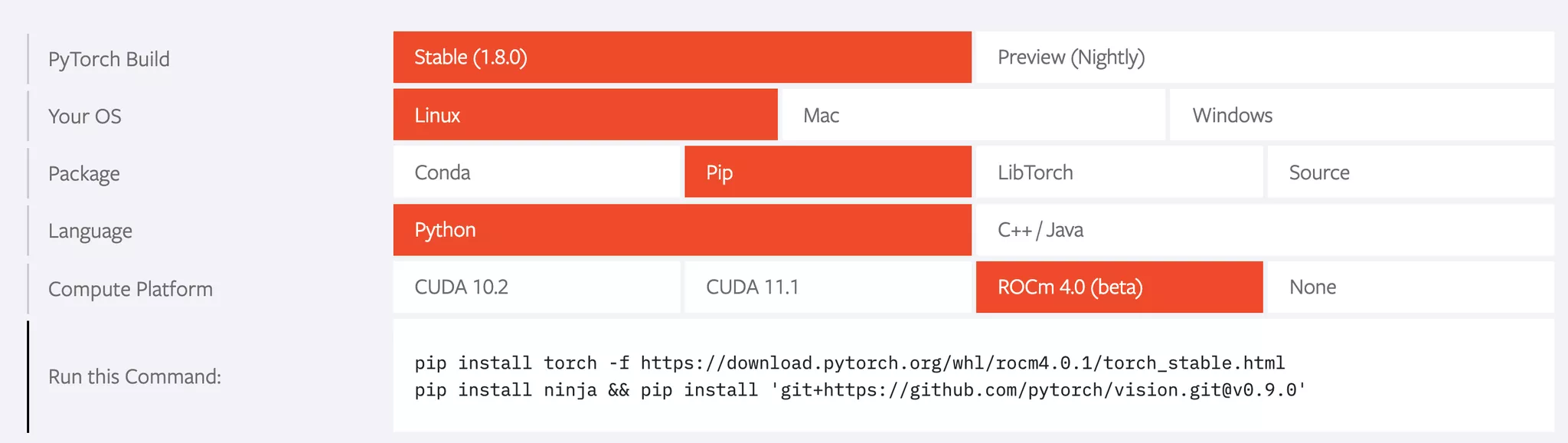
33 |
34 | 在这个示例中,PyTorch的开发者门户通过图形化界面向用户展示了不同版本的选择,从而简化了配置过程,降低了 TTFHW。
35 |
36 | ### Stripe
37 |
38 | Stripe是一个在线支付解决方案的开发者门户,提供了详细的参考资料,包括 API
39 | 文档、示例代码和常见问题解答。这些资源帮助开发者更轻松地集成Stripe支付服务到他们的应用中,减少了开发过程中的困难和延迟。
40 |
41 | ### BackStage
42 |
43 | BackStage是Spotify开源的开发者门户工具,用于管理多个微服务的生命周期。它提供了统一的界面,使开发者能够轻松访问各种工具、服务和文档。通过
44 | BackStage,开发者可以更高效地管理、发现和使用内部工具,促进了团队协作和项目开发的顺利进行。
45 |
--------------------------------------------------------------------------------
/docs/engineering/engineering.md:
--------------------------------------------------------------------------------
1 | ---
2 | layout: default
3 | title: 工程化
4 | nav_order: 7
5 | has_children: true
6 | ---
7 |
8 | # 工程化
9 | {: .no_toc }
10 |
11 | 工程化是一种系统化和规范化的方法,旨在提高软件开发过程的效率、质量和可维护性。工程化的目标是将软件开发视为一个工程项目,采用科学化、标准化的方法来管理和执行开发任务。
12 | {: .fs-6 .fw-300 }
13 |
14 | 以下是软件开发中工程化的一些主要特征和实践:
15 |
16 | 1. 自动化: 使用自动化工具和脚本来执行重复性的任务,如编译、测试、部署等,以减少人为错误并提高效率。
17 | 2. 版本控制: 使用版本控制系统(如Git)来追踪代码变更、协作开发,以及管理不同版本的软件。
18 | 3. 持续集成(CI): 将代码集成到共享的主干(主要代码库)中,并通过自动化构建和测试来确保代码的及时集成和质量。
19 | 4. 持续交付(CD): 在持续集成的基础上,自动执行部署,使得软件能够快速且可靠地交付给最终用户。
20 | 5. 代码规范和质量检查: 使用静态代码分析工具和代码审查来确保代码符合事先定义的规范和质量标准。
21 | 6. 文档管理: 管理项目文档,包括需求文档、设计文档、用户文档等,以确保团队成员都能够理解和遵循项目的规范和流程。
22 | 7. 任务管理: 使用项目管理工具来跟踪任务、问题和进度,以便团队成员协同工作并实现项目的及时交付。
23 | 8. 容器化和微服务架构: 使用容器技术(如Docker)和微服务架构来实现更灵活、可扩展和可维护的系统。
24 | 9. 性能监控和日志管理: 集成性能监控和日志记录工具,以便实时监控系统性能、追踪问题和进行故障排除。
25 | 10. 安全性考虑: 在开发过程中集成安全性考虑,采用最佳实践来保护软件系统免受潜在的安全威胁。
26 |
27 | 其中有大量的内容可以应用在文档工程中,如自动化、版本控制、持续集成、持续交付、文档管理等。
28 |
29 | ## 目录
30 | {: .no_toc .text-delta }
31 |
32 | 1. TOC
33 | {:toc}
34 |
--------------------------------------------------------------------------------
/docs/domain/devops.md:
--------------------------------------------------------------------------------
1 | ---
2 | layout: default
3 | title: DevOps 体验设计(TBC)
4 | parent: 领域案例学习
5 | nav_order: 2
6 | ---
7 |
8 | # 开发者体验:DevOps
9 | {: .no_toc }
10 |
11 | ## 目录
12 | {: .no_toc .text-delta }
13 |
14 | 1. TOC
15 | {:toc}
16 |
17 | ---
18 |
19 | ## Gitlab 体验设计
20 |
21 | 相关文章:[Designing for developer experience](https://blog.prototypr.io/%EF%B8%8Fdesigning-for-developer-experience-%EF%B8%8F-69ced457c405)
22 |
23 | 设计思路:
24 |
25 | - 为包容性设计。通过让具有不同专业知识、人口结构、能力和倾向的人成为数字产品的创造者,没有任何代码方法可以带来行业长期以来一直缺乏的多样性和丰富性。
26 | - 为可学习性和可发现性设计。说服开发人员通过深思熟虑地设计用户流程,在他们深入工作流程时逐步展示高级功能,从而对产品的深度和广度进行自我教育。
27 | - 为人类设计。以人为本,
28 |
29 |
30 | ## K8s
31 |
32 | [5 tips to maximize the Kubernetes developer experience with Cloud Code](https://cloud.google.com/blog/products/application-development/5-tips-maximize-kubernetes-developer-experience-cloud-code)
33 |
34 | 1. Develop where you're most comfortable
35 | 2. Develop where you're most comfortable
36 | 3. Simplify Local Development
37 | 4. Spend less time writing YAML
38 | 5. Debug in real time
39 |
40 |
--------------------------------------------------------------------------------
/docs/anti-patterns/fake-opensource.md:
--------------------------------------------------------------------------------
1 | ---
2 | layout: default
3 | title: 反模式:伪式开源
4 | parent: 反模式
5 | nav_order: 5
6 | ---
7 |
8 | # 开发者体验反模式:伪式开源
9 | {: .no_toc }
10 |
11 | ## 目录
12 | {: .no_toc .text-delta }
13 |
14 | 1. TOC
15 | {:toc}
16 |
17 | ---
18 |
19 | ## 定义
20 |
21 | 硬件开源级别:[Levels of Openness](https://wiki.opensourceecology.org/wiki/Levels_of_Openness#Fake_Open_Source)
22 |
23 | 1. 无文档开源(Undocumented Open Source)。代码是开源的,但是没有文档。从开源经验的角度来看 - 无文档开源实际上是不开放的。
24 | 2. 模棱两可的开源(Ambivalent Open Source)。缺乏许可证。
25 | 3. 伪开源(Fake Open Source)。假装是开源的,但许可证不公开。不可复制的开源,如需要投入昂贵的设备、稀有的投入、广泛的技能组合。
26 | 4. 战略开源(Strategic Open Source)。开源作为一种战略,但是强烈拒绝开放文化。
27 | 5. 有用的开源(Useful Open Source)。文档是否对于复制是有用 - 或者它实际上是无用的?
28 | 6. 道德开源(Ethical Open Source)。出于开发纯开源产品的。
29 |
30 | ## 特征
31 |
32 | ## 案例
33 |
34 | ### [TDengine](https://github.com/taosdata/TDengine/)
35 |
36 | - 使用内部 Jira 号。[#8549](https://github.com/taosdata/TDengine/pull/8459) 提交信息: `[TD-5892]: officially document the PyPI python connector`
37 |
38 | #### 后续改进
39 |
40 |
41 |
42 | ## 潜伏方案
43 |
--------------------------------------------------------------------------------
/docs/patterns/dev-exp-team.md:
--------------------------------------------------------------------------------
1 | ---
2 | layout: default
3 | title: 开发者体验团队
4 | parent: 实践模式
5 | nav_order: 5
6 | ---
7 |
8 | # 开发者体验:开发者体验团队
9 | {: .no_toc }
10 |
11 | 开发者体验团队
12 | {: .fs-6 .fw-300 }
13 |
14 | ## 目录
15 | {: .no_toc .text-delta }
16 |
17 | 1. TOC
18 | {:toc}
19 |
20 | ---
21 |
22 | ## 示例
23 |
24 | ### Uber
25 |
26 | [Constructing a Seamless Flow: Meet Uber Engineering’s Developer Experience Team ](https://eng.uber.com/developer-experience/)
27 |
28 | DevExp 隶属于 Uber 的基础设施小组,它包括 Uber 的信息平台、工程培训和开发,以及服务和语言框架团队的成员。
29 |
30 | JD 示例:[Uber]
31 |
32 |
33 | ## 相关资料
34 |
35 | - [The rise of the Developer Experience Engineer, and why it matters](https://www.helpnetsecurity.com/2021/07/16/developer-experience-engineer/)
36 | - [Why Every Software Team Should Have a Developer Experience Owner (DXO)](https://loft.sh/blog/why-every-software-team-should-have-a-developer-experience-owner-dxo/)
37 | - [Why Your API Needs a Dedicated Developer Experience Team](https://nordicapis.com/why-your-api-needs-a-dedicated-developer-experience-team/)
38 |
39 |
--------------------------------------------------------------------------------
/docs/patterns/onboarding-journey.md:
--------------------------------------------------------------------------------
1 | layout: default
2 | title: 新手体验设计
3 | parent: 实践模式
4 | nav_order: 4
5 | ---
6 |
7 | # 实践模式:新手体验设计
8 | {: .no_toc }
9 |
10 | 使用场景:
11 |
12 |
13 | ## 目录
14 | {: .no_toc .text-delta }
15 |
16 | 1. TOC
17 | {:toc}
18 |
19 | ---
20 |
21 |
22 | 我们在开发者体验中引入新手体验(Onboarding journey)的目的是,以 “新人” 的视角来观察整个生命周期中的潜在问题,并帮助 “新人” 更快地上手项目。
23 |
24 | 在日常的软件开发中,我们也会借助于这个思想来进行分析:
25 |
26 | 
27 |
28 | 如我们开发一个开源的 SDK,那么 “新人” 来到这个项目时,他需要:
29 |
30 | - 看到快速介绍项目的一句话介绍。这个介绍与开发者的痛点是存在一定的关联。
31 | - 看到项目的详细介绍。诸如于这个项目的架构信息、优点、缺点等项目的信息。
32 | - 尝试 —— 快速交互的使用体验。如一个快速使用的指南或者指令,又或者是一个线上的 DEMO。
33 | - 查看更详细的文档引导。如这个项目包含了哪些 API,以及常见的 FAQ 等
34 |
35 | ## 价值机会点
36 |
37 | ### 机会点梳理
38 |
39 | 1. 梳理开发者使用技术产品的主要流程。
40 | 2. 细化过程中的相关步骤。
41 | 3. 分析步骤中的用户行为。
42 | 4. 研究对应的目标场景。
43 | 5. 细化其中的机会点。
44 |
45 | ### 用户体验设计
46 |
47 | 1. 前期调研。在开始阶段需要探索出相对明确的我们可行的方向
48 | - 行业调研探索
49 | - 现有的可行方向
50 | 2. 用研&工作坊。深入了解动机,了解现有行为客户价值引领创新价值
51 | - 一对一的用户访谈
52 | - 可视化工作坊
53 | 3. 机会点收敛。收敛阶段根据价值和可行性得到机会点
54 | - 收敛出价值高、可行的机会点
55 | 4. 用户需求的验证。机会点的验证,排除无效机会点
56 | 5. 经过验证的创新提炼
57 | 6. 创新场景旅程设计
58 |
--------------------------------------------------------------------------------
/docs/factor/touch-point.md:
--------------------------------------------------------------------------------
1 | ---
2 | layout: default
3 | title: 触点与支持
4 | parent: 开发者体验设计因子
5 | nav_order: 5
6 | ---
7 |
8 | # 触点与支持
9 | {: .no_toc }
10 |
11 | 定义:围绕于构建社区进行的一系列活动,在这里被简化和合并为触点与支持。
12 | {: .fs-6 .fw-300 }
13 |
14 | ## 目录
15 | {: .no_toc .text-delta }
16 |
17 | 1. TOC
18 | {:toc}
19 |
20 | ---
21 |
22 | ## 定义触点设计
23 |
24 | ## 触点设计原则
25 |
26 | ### 以同理心构建
27 |
28 | ### 构建内容战略
29 |
30 | ### 广泛吸纳用户意见
31 |
32 | ## 模式
33 |
34 | ### 模式:技术内容
35 |
36 | 如文章、视频,相应的需要构建内容策略
37 |
38 | ### 模式:大会演讲
39 |
40 | ### 模式:技术沙龙
41 |
42 | ### 模式:Hackathon
43 |
44 | ## 示例
45 |
46 | ### 亚马逊
47 |
48 | - 官方渠道
49 | - 网易云课堂渠道:[亚马逊云科技数字化培训](https://m.study.163.com/m/provider/480000002278455/index.htm)
50 |
51 | ## 角色:开发者关系
52 |
53 | 市面上已经有一系列的技术产品化运营的岗位,这些岗位受限于角色定义的不同,所承担的职责也有所不同。如:
54 |
55 | ### 布道师(Evangelist)
56 |
57 | 从语义上来定义,这个岗位的主要职责是布道。也几乎(90 %)承担了技术产品化运营的所有职责,诸如于自身成为影响力中心,构建对应的技术社区,以吸引用户。再手把手帮助客户上手应用,维护和开发者的关系等。
58 |
59 | ### 开发者关系(DevRel)
60 |
61 | 从语义上来定义,这个岗位的主要职责是维护和开发者的关系。从职责来看,它 99.99% 接近于承担了所有职责。
62 |
63 | ### 开发者运营
64 |
65 | 从语义上来定义,这个岗位的主要职责是开发者相关的社区运营。主要偏向于活动与相关的内容策略等,可以由低技术背景的角色来承担。
66 |
67 | ### 技术运营
68 |
69 | 从语义上来定义,这个岗位的主要职责接近于传统的营销岗位。
70 |
--------------------------------------------------------------------------------
/docs/patterns/template-by-ci.md:
--------------------------------------------------------------------------------
1 | ---
2 | layout: default
3 | title: 基于持续集成的自动化模板
4 | parent: 实践模式
5 | nav_order: 8
6 | ---
7 |
8 | 示例:
9 |
10 | - Intellij IDEA 插件模板:https://github.com/JetBrains/intellij-platform-plugin-template
11 |
12 |
13 |
14 | 效果:
15 |
16 | 1. 使用模板时,会通过 GitHub Action 创建创建工程,并清理无用的代码。
17 | 2. 通过在 README 里编写的 Todo 来帮助开发人员查看每一步。
18 |
19 | Todo 示例:
20 |
21 | ## Template ToDo list
22 | - [x] Create a new [IntelliJ Platform Plugin Template][template] project.
23 | - [x] Get familiar with the [template documentation][template].
24 | - [x] Verify the [pluginGroup](./gradle.properties), [plugin ID](./src/main/resources/META-INF/plugin.xml) and [sources package](./src/main/kotlin).
25 | - [x] Review the [Legal Agreements](https://plugins.jetbrains.com/docs/marketplace/legal-agreements.html).
26 | - [ ] [Publish a plugin manually](https://plugins.jetbrains.com/docs/intellij/publishing-plugin.html?from=IJPluginTemplate) for the first time.
27 | - [ ] Set the Plugin ID in the above README badges.
28 | - [ ] Set the [Deployment Token](https://plugins.jetbrains.com/docs/marketplace/plugin-upload.html).
29 | - [ ] Click the Watch button on the top of the [IntelliJ Platform Plugin Template][template] to be notified about releases containing new features and fixes.
30 |
31 |
--------------------------------------------------------------------------------
/docs/dx-fluency-model.md:
--------------------------------------------------------------------------------
1 | ---
2 | layout: default
3 | title: 流畅度模型(TBD)
4 | nav_order: 90
5 | ---
6 |
7 | # 开发者体验流畅度模型(理论验证中)
8 | {: .no_toc }
9 |
10 | 开发者体验流畅度模型,是我们基于敏捷流畅度模型与数字化流畅度模型设计的改进体系。
11 | {: .fs-6 .fw-300 }
12 |
13 | ## 目录
14 | {: .no_toc .text-delta }
15 |
16 | 1. TOC
17 | {:toc}
18 |
19 | ---
20 |
21 | ## 流畅度模型
22 |
23 | 在《[The Agile Fluency Model](https://martinfowler.com/articles/agileFluency.html)》 一文中指出:
24 |
25 | > 敏捷团队开发有四个不同层次的流畅度。流畅度指的是团队在压力下如何开发软件。在教室里,只要给每个人足够的时间专注地去做一组练习,他们最终都能完成;然而,真正的流畅度,不是一时的练习,它是一种技巧性十足的、常规的经常性的实践,即使你心不在焉也能完成。
26 |
27 |
28 | | | 文档体验 | 错误呈现 | 易用性 | 交互设计 | 触点与支持 |
29 | |------|----------|----------|------|-----------|----------|
30 | | 强化 | | | | | |
31 | | 优化 | | | | | |
32 | | 执行 | | | | | |
33 | | 专注 | | | | | |
34 | | 认识 | | | | | |
35 |
36 | 过程阶段(TBD):
37 |
38 | - 认识。意识到要做对应的改变。
39 | - 专注。开始着手
40 | - 执行。规范化
41 | - 优化。使用模式
42 | - 强化。工具度量
43 |
44 | 核心支柱:
45 |
46 | - 文档体验设计
47 | - 错误呈现
48 | - 易用性设计
49 | - 交互设计
50 | - 触点与支持
51 |
52 | ## 关键投资
53 |
54 | ### 文档体验设计
55 |
56 | ### 错误呈现
57 |
58 | ### 易用性设计
59 |
60 | ### 交互设计
61 |
62 | ### 触点与支持
63 |
--------------------------------------------------------------------------------
/README.md:
--------------------------------------------------------------------------------
1 | # 开发者体验:探索与重塑
2 |
3 | 
4 |
5 | 开发者体验,与用户体验类似,只是对象是软件开发人员。因此,它的定义是
6 |
7 | > 开发者体验是开发人员对于针对使用或期望使用的产品、系统或者服务的认知印象和回应。有所不同的是,用户关注的内容变为库,SDK,文档,框架,开源解决方案,通用工具,API 等的开发人员的体验。
8 |
9 | 2019,在经历了多个低代码前端项目的售前,以及一个低代码项目的技术实践强化,发现国内的 IT 企业缺乏对于『开发者体验』缺乏系统性的思考。便想着结合自己的项目经历、社区经验、国内外实际情况等,编写一个简要的开发者体验电子书。
10 |
11 | 在线阅读:[https://dx.phodal.com](https://dx.phodal.com)
12 |
13 | 文档目录:[docs](./docs)
14 |
15 | 模板:[https://github.com/pmarsceill/just-the-docs](https://github.com/pmarsceill/just-the-docs)
16 |
17 | 欢迎参与讨论与 PR:
18 |
19 | 
20 |
21 | (PS:如果群满了,请添加我的微信 `phodal02` )
22 |
23 | ## Todo
24 |
25 | - [x] define dex
26 | - [x] maturity model
27 | - [x] define
28 | - [ ] refs model
29 | - [x] operation model
30 | - [ ] practise
31 | - [x] documentation
32 | - [ ] error handling (ongoing)
33 | - [ ] interactive design
34 | - [ ] usability
35 | - [ ] developer relation
36 | - [ ] anti patterns
37 | - [x] developer as services
38 |
39 | ## License
40 |
41 | [](https://www.phodal.com/)
42 |
43 | © 2020~2021 [Phodal Huang](https://www.phodal.com). This code is distributed under the Creative Commons Attribution-Noncommercial-No Derivative Works 3.0 License. See `LICENSE` in this directory.
44 |
--------------------------------------------------------------------------------
/convert.sh:
--------------------------------------------------------------------------------
1 | cat docs/define-dx.md \
2 | docs/maturity-model.md \
3 | docs/factor/documentations.md docs/factor/error-handling.md docs/factor/usability.md docs/factor/interactive-design.md docs/factor/touch-point.md \
4 | docs/patterns/auto-install-script.md \
5 | docs/patterns/dev-exp-team.md \
6 | docs/patterns/developer-experience-center.md \
7 | docs/patterns/developer-portal.md \
8 | docs/patterns/document-engineering.md \
9 | docs/patterns/document-for-learn.md \
10 | docs/patterns/interactive-script.md \
11 | docs/patterns/issue-bot.md \
12 | docs/patterns/living-document-code.md \
13 | docs/patterns/onboarding-journey.md \
14 | docs/patterns/patterns.md \
15 | docs/patterns/starter-generator.md \
16 | docs/patterns/template-by-ci.md \
17 | docs/anti-patterns/developer-as-service.md \
18 | docs/anti-patterns/fake-opensource.md \
19 | docs/anti-patterns/kpi-base-model-design.md \
20 | docs/anti-patterns/marketing-drive-developement.md \
21 | docs/anti-patterns/metric-to-contributor.md \
22 | docs/anti-patterns/ui-replace-cmd.md \
23 | docs/engineering/document-engineering.md \
24 | docs/domain/api-design.md \
25 | docs/domain/cloud-native.md \
26 | docs/domain/devops.md \
27 | docs/domain/openbank.md \
28 | docs/operation-model.md \
29 | docs/maturity-model.md \
30 | docs/dev-ex-framework.md \
31 | docs/refs.md > output.md
32 |
33 | sed '/^---$/,/^---$/d' output.md > temp.md && mv temp.md output.md
34 | pandoc -s output.md -o output.docx
35 |
--------------------------------------------------------------------------------
/docs/factor/documentations.md:
--------------------------------------------------------------------------------
1 | ---
2 | layout: default
3 | title: 文档体验设计
4 | parent: 开发者体验设计因子
5 | nav_order: 1
6 | ---
7 |
8 | # 开发者体验:文档体验设计
9 | {: .no_toc }
10 |
11 | 文档体验设计面向于文档使用者的阅读体验,与文档编写者的构建体验。
12 | {: .fs-6 .fw-300 }
13 |
14 | ## 目录
15 | {: .no_toc .text-delta }
16 |
17 | 1. TOC
18 | {:toc}
19 |
20 | ---
21 |
22 | ## 设计原则
23 |
24 | ### 保持内容准确性
25 |
26 | 作为文档编写者,需要确保语义准确性,基于人的维度来考虑,相应的机制有:
27 |
28 | - 概念词汇表
29 | - 内容一致性
30 | - 文档测试
31 |
32 | ### 根据用户反馈改进
33 |
34 | 诸如于:
35 |
36 | - 提供有意义的反馈方式。如评分等。
37 | - 让用户可以直接 PR 进行修改。
38 |
39 | ### 引导开发者学习
40 |
41 | 常见方式:
42 |
43 | - 在内容中进行引导
44 | - 从搜索引擎中引导
45 | - 从错误处理中引导
46 |
47 | ## 模式
48 |
49 | ### 模式:应用开放式协作
50 |
51 | 采用文档代码化的方式进行管理。如文档相关的内容在 GitHub 上,文档指向对应的源码位置,读者可以直接发起对文档的修改。
52 |
53 | 示例 1:[https://dx.phodal.com/](https://dx.phodal.com/)
54 |
55 | 示例 2:[https://github.com/MicrosoftDocs/azure-docs-cli](https://github.com/MicrosoftDocs/azure-docs-cli)
56 |
57 | ### 模式:为搜索引擎设计
58 |
59 | 以 [Azure CLI](https://docs.microsoft.com/en-us/cli/azure/install-azure-cli-linux?pivots=apt) 示例,用户从需求出发,从搜索引擎中搜索:
60 |
61 | 
62 |
63 | 重要的一个差异:标题与左侧导航并不需要一致:
64 |
65 | 
66 |
67 | 获取对应的安装方式。
68 |
69 | ### 模式:一页式快速开发
70 |
71 | 对于使用项目的文档,如果不能提供快速搭建的 CLI,应该在一个页面内提供快速开发。
72 |
73 | ### 模式:库文档自动生成
74 |
75 | 对于软件库来,其文档应该是自动生成的,主流的编程语言都有各自的文档生成工具。
76 |
77 | ### 模式:更新日志
78 |
79 | 大版本以博客的形式展示,如《[Angular 12 更新](https://blog.angular.io/angular-v12-is-now-available-32ed51fbfd49?gi=a0a6358507d3)》,包含:
80 |
81 | - 重要更新
82 |
--------------------------------------------------------------------------------
/docs/patterns/living-document-code.md:
--------------------------------------------------------------------------------
1 | ---
2 | layout: default
3 | title: 动态文档代码生成
4 | parent: 实践模式
5 | nav_order: 13
6 | ---
7 |
8 | 即:[开发者体验:文档工程](https://dx.phodal.com/docs/patterns/document-engineering.html) 中灵活代码块的展开。
9 |
10 | ## 业内案例:Chocolate Factory 文档
11 |
12 | 示例:https://framework.unitmesh.cc/rag/vector-store
13 |
14 | 基于代码切分文档:
15 |
16 | https://github.com/unit-mesh/chocolate-factory/blob/1c70e5c326c70dcabc19ba5e13ef08832c900191/docs-builder/src/main/kotlin/cc/unitmesh/docs/model/DocGenerator.kt#L32-L51
17 |
18 | 测试用例示例:
19 |
20 | ```kotlin
21 | @Test
22 | @SampleCode
23 | fun it_works() {
24 | // start-sample
25 | val embeddingStore: EmbeddingStore = InMemoryEmbeddingStore()
26 |
27 | embeddingStore.add(toEmbedding(floatArrayOf(1f, 3f)), Document.from("first"))
28 | embeddingStore.add(toEmbedding(floatArrayOf(2f, 2f)), Document.from("second"))
29 |
30 | val relevant: List> =
31 | embeddingStore.findRelevant(toEmbedding(floatArrayOf(4f, 0f)), 2)
32 |
33 | // end-sample
34 |
35 | }
36 | ```
37 |
38 | ## 业内案例:Google Android 文档
39 |
40 | 示例:https://developer.android.com/jetpack/compose/lifecycle?hl=zh-cn 其中的代码引用会指向 GitHub 代码库。
41 |
42 | 文档通过使用关联 tag 来实现:
43 |
44 | ```Kotlin
45 | // [START android_compose_lifecycle_3]
46 | @Composable
47 | fun MoviesScreen(movies: List) {
48 | Column {
49 | for (movie in movies) {
50 | // MovieOverview composables are placed in Composition given its
51 | // index position in the for loop
52 | MovieOverview(movie)
53 | }
54 | }
55 | }
56 | // [END android_compose_lifecycle_3]
57 | ```
58 |
59 |
--------------------------------------------------------------------------------
/docs/dev-ex-framework.md:
--------------------------------------------------------------------------------
1 | ---
2 | layout: default
3 | title: 开发者体验度量框架
4 | nav_order: 98
5 | ---
6 |
7 | # 开发者体验度量框架
8 | {: .no_toc }
9 |
10 | 适用领域:
11 |
12 | DevOps
13 | {: .label }
14 |
15 | AI + DevOps
16 | {: .label }
17 |
18 | ---
19 |
20 |
21 | ## DevEx
22 |
23 | 出处:[DevEx: What Actually Drives Productivity: The developer-centric approach to measuring and improving productivity](https://dl.acm.org/doi/10.1145/3595878)
24 |
25 | |-| Feedback loops | Cognitive load | Flow state |
26 | |---|----------------|-----------------|-------------|
27 | | Perceptions
3 |
4 | dx 2
5 | Created with Sketch.
6 |
7 |
8 |
12 |
13 |
--------------------------------------------------------------------------------
/docs/engineering/document-engineering.md:
--------------------------------------------------------------------------------
1 | ---
2 | layout: default
3 | title: 文档工程
4 | parent: 工程化
5 | nav_order: 1
6 | ---
7 |
8 | # 开发者体验:文档工程
9 | {: .no_toc }
10 |
11 | 文档工程用于帮助我们指定、设计、和实施计算机技术相关的文档,如产品特定规格或详细说明,以及创建和使用它们的流程。它的特点是以“文档为中心”,以帮助我们构思和理解如何支撑其所在的商业模式。
12 | {: .fs-6 .fw-300 }
13 |
14 | ## 目录
15 | {: .no_toc .text-delta }
16 |
17 | 1. TOC
18 | {:toc}
19 |
20 | ---
21 |
22 | ## 定义文档工程体验
23 |
24 | ### 文档编写的痛点
25 |
26 | 在编写文档时,常见的一些痛点有:
27 |
28 | * 文档代码不同步。即文档的 API 变化可能落后于代码,导致 API 与文档出现不一致。
29 | * 频繁的 API 变更。API 变更时,文档需要手动进行更新,不能自动化同步。
30 | * 概念不统一。对于同一个概念,文档的不同地方描述不一致。
31 | * 重复的文档块。文档需要重复引用某一部分的文档,不能像代码一样引用。
32 | * 代码无法运行。按照文档的步骤下来编写的代码、复制的代码,是不能运行的。
33 |
34 | 还有一些问题,可能是难以通过自动化的方式来解决的,诸如于:
35 |
36 | * 风格不一致。不同的人编写文档的风格不一致,可能需要类似于 code review 的 document review 的方式来解决。
37 | * 语法不准确。使用的是不同形式的中文描述方式。(PS:难道是回去再上上语文课)
38 |
39 | 于是,我们可以尝试性地借用业内一些通用的方式来解决问题。
40 |
41 | ### 定义文档工程体验
42 |
43 | 再回到标题上,让我对标题做一些解释:
44 |
45 | 文档工程用于帮助我们指定、设计、和实施计算机技术相关的文档,如产品特定规格或详细说明,以及创建和使用它们的流程。它的特点是以“文档为中心”,以帮助我们构思和理解如何支撑其所在的商业模式。
46 |
47 | 而文档工程体验设计,则是围绕于构建和设计文档的过程进行的体验改善。即目标用户是**编写文档的工程师**,改善其编写文档的体验。并针对于文档的目标用户,改善他们在文档方面的体验(PS:这部分不是本文讨论的重点)。
48 |
49 | 文档体验是开发者体验的一个关键性因素,用于指导新手快速上手技术产品。在我们设计各类[开发者体验指标](https://www.phodal.com/blog/developer-experience/)时,一个非常重要的指标就是 TTFHW(Time to first hello world),即从零到第一个 Hello World 需要的时间,而这个指标是严重依赖于开发者文档。
50 |
51 | 因此,本文的意图是从文档开发者的体验出发,以重新塑造整体的开发者体验。
52 |
53 | 既然文档工程体验归属于开发者体验,它面向的是开发者提供更好体验,对于自身而言,更需要非凡的体验。只有以此为出发点,才能减小文档团队人员的流 动,毕竟不是程序员想写文档,也不是程序员都想看文档的。
54 |
55 | ## 文档工程原则
56 |
57 | 作为一个程序员,我设计和参与过两个文档系统(Ledge 便是其中之一),它们之间有各自不同的思想。再结合我对于多个语言的文档体系的分析和设计,我觉得一个优秀的文档工程应该是满足这样的条件:
58 |
59 | * 编辑-发布分离。架构设计上,编辑态和发布是完成分离的,各自可以使用不同的语言和技术来实现,诸如于使用 markdown 编写,但是输出可以是丰富多彩的形式。
60 | * 过程自动化。特别好理解,它应该能实现快速的自动化发布,以代码开发保持一致和构建频繁。
61 | * 文档形式化。XML 是上一个世代比较流行的文档形式化格式,从我的研究情况来看,定制化的 markdown 是这一个世代流行的方式。形式化的输入,它便意味着在输出上会有多种形式,如 markdown 结合 Pandoc 可以转换为 PDF、Word、HTML 等一系列的格式。
62 | * 开放式协作。文档面向使用者开放修改,使用者可以通过 pull request 的形式来对文档进行改进,并可以针对文档提出建议。
63 | * 版本化管理。在编辑态上,所有的历史修改都是可见的,可以回溯所有变更;在发布上,可以看到关键的历史版本,以适应不同人的需求。一种特别简单的示例,就是使用 git 来版本。
64 |
65 | 对于多数语言、框架的文档系统来说,它们都是面向特定领域定制的,以带来更好的编写体验和一致性。所以,从某种意义上来说,定制化开发也是非常重要的一点 —— 即我们往往难以获得一个通用的解决方案。
66 |
67 | ### 面向场景设计呈现
68 |
69 | 除了上述的要素之后,我们还需要提及一个非常重要的因素,即针对于不同的场景,应该要有不同的文档呈现形式。诸如于:
70 |
71 | - 一页文档。诸如于搭建指南,在项目初始化的时候,可以在一个网页内快速完成,而不需要进页面挑战。
72 | - 模块化文档。诸如于面向 API / SDK 场景下,以让每**部分** API 都可以独立访问,也能通过搜索引擎优化。
73 | - 可交互文档。诸如于编程语言 REPL、组件库场景下,让用户可以零成本学习和试用技术产品。
74 | - ……
75 |
76 | 尽管文档很重要,但是请不要忘了,我们的初衷是带来更好的用户体验。
77 |
78 | ## 文档编程模式
79 |
80 | 为了更方便于讨论,我尝试性对所接触的文章进行了模式上的分类,以及它们所适用的场景:
81 |
82 | | 模式 | 场景 | 优点 | 缺点 | 一致性机制 | 原则 |
83 | |---------------------|----------------------------------------------|------------------------------|-----------------------|--------------------------|----------------------|
84 | | 文档代码化 | 需要协作的在线文档、侧重于开发指南编写 | 提升社区参与度、灵活扩展系统 | 实现成本略高 | | 以领域特定语言为核心 |
85 | | 文档测试 | SDK、API 等功能性描述文档 | 文档代码强一致性 | 实现成本略高 | 编译时保证 | 注释设计 |
86 | | 可执行文档 | 文档为核心,代码为辅助、Demo 编写 | 轻量、文档一致性 | 大型工程比较难 handle | 编译时保证 | 文档优先 |
87 | | 灵活代码块 | 代码为核心,文档为辅助、Demo 编写 | 动态响应代码变化 | 注释在 demo 代码中 | 代码正确编译,则文档正常 | 代码优先 |
88 | | 测试即文档 | 业务系统开发,文档为核心,确保文档和代码一致 | 文档代码强一致性 | 实现成本略高 | 持续集成时保证 | 文档驱动开发 |
89 | | 文档同构 | 文档驱动开发、业务系统开发 | 文档代码强一致性 | 实现成本高 | 双向确保代码-文档一致 | 双向绑定 |
90 |
91 | 在文档工程这个上下文下,其详细的定义如下。
92 |
93 | ### 基础模式:文档代码化
94 |
95 | 定义:文档代码化是将文档以类代码的领域特定语言的方式编写,并借鉴软件开发的方式(如源码管理、部署)进行管理。 它可以借助于特定的工具进行编辑、预览、查看,又或者是通过专属的系统部署到服务器上。
96 |
97 | 示例:各类的开源软件文档、Rust、Julia 等编程语言的文档系统
98 |
99 | 文档代码化其中是现代化的文档工程里的基石。现有的开源软件文档体系,都是以 markdown + 开源的形式而展开的,所有的人都可以在这之上进行协作。除此,基于不同文档的需求,它们会在 DSL 的基础上进行扩展,如新一代的编程语言的文档系统。它们的方式是这样的:
100 |
101 | 1. 为扩展设计:文档 DSL
102 | 2. 为准确性设计:文档测试
103 | 3. 构建开放协作平台:开放协作
104 |
105 | 更详细可以参考:《[API 库的文档体系支持:主流编程语言的文档设计](https://www.phodal.com/blog/api-ducumentation-design-dsl-base/)》
106 |
107 | ### 文档测试:一致性
108 |
109 | 定义:文档测试的原始定义是,一种测试方式,用于确保系统的文档与系统的功能相匹配。在文档工程的上下文里, 我们定义为针对于文档中的代码验证其有效性,以及其结果的准确性。
110 |
111 | 示例:Rustdoc、DocumenterTools.jl
112 |
113 | 如在 Rustdoc 中**代码中的注释中的代码**会被提取出来,它会被独立编译,确保代码是可运行的。
114 |
115 | ```
116 | ```rust
117 | assert_eq!(2 + 2, 4);
118 | ```
119 | ```
120 |
121 | 如下是 Rustdoc 中将上述的代码生成测试代码的测试用例:
122 |
123 | ```rust
124 | fn main() {
125 | #[allow(non_snake_case)]
126 | fn _doctest_main__some_unique_name() {
127 | assert_eq!(2 + 2, 4);
128 | }
129 | _doctest_main__some_unique_name()
130 | }
131 | ```
132 |
133 | 一旦上述的代码编译并运行通过,则说明文档中的注释是正确的。具体的步骤如下:
134 |
135 | - 解析 markdown,寻找 Rust 语言的语法块(如果没有标注语言类型,默认是 Rust)
136 | - 根据语法块,做一些简单的处理,生成可编译的代码
137 | - 编译上述的测试代码 (如果编译失败,则说明测试失败)
138 | - 运行这些测试 or 文档
139 |
140 | 详细见 Rustdoc 相关源码:[librustdoc](https://github.com/rust-lang/rust/tree/master/src/librustdoc)
141 |
142 | ### 可执行文档
143 |
144 | 定义:可执行文档是指文档本身已经是代码化的结果,它像代码一样可以执行, 并且可以将结果动态地与文档结合在一起。
145 |
146 | 示例:Julia 的 DocumenterTools、R Markdown、Exemd
147 |
148 | 在 R Markdown 里,它可以结合文档与 R 语言源码,可以进行动态的渲染。我们可以在 markdown 文件中,“随意”地调用 R 中的函数,并动态地嵌入数据、代码、计算结果、可视化图表等到输出的文档中。在结合了 Pandoc 之后,文档可以输出到所有主流的文档格式。如下的示例:
149 |
150 | ```markdown
151 | ```{r fig.show='animate', dev='jpeg', ffmpeg.format='gif'}
152 | for (i in 1:10) plot(runif(100), ylim = c(0, 1)) # for example
153 | ```
154 | ```
155 |
156 | 它将会运行并在文档中嵌入运行的结果。
157 |
158 | ### 灵活代码块
159 |
160 | 定义:灵活代码块是指文档可以通过 DSL 动态引用源码中的内容。
161 |
162 | 示例:DocumenterTools.jl、Forming 里的 Writing
163 |
164 | 以我设计的 Writing 为例,它可以动态解析 markdown 中设计的 Writing DSL,并从代码中读取对应的代码块。如下是 Writing 的示例:
165 |
166 | ```
167 | // doc-code: file("src/lib.rs").line()[2, 5]
168 | // 读取 "src/lib.rs" 文件的第 2 到第 5 行
169 | // doc-section: file("src/lib.rs").section("section1")
170 | // 读取 "src/lib.rs" 文件中的 section1 相关的代码块
171 | ```
172 |
173 | 通过简单的自定义函数,将文档与代码有机结合到一起。只要应用编译运行成功,那么文档本身也是正确的。
174 |
175 | ### 测试即文档
176 |
177 | 定义:测试即文档即指测试用例以文档的形式编写,文档本身就是测试用例。
178 |
179 | 示例:Cucumber
180 |
181 | 相信大家都很“熟悉”了,主要是在自动化测试中使用非常广泛。Cucumber 示例如下:
182 |
183 | ```cucumber
184 | # language: zh-CN
185 | @math
186 | 功能: 加法
187 | 加法计算器的验证用例
188 |
189 | @sanity
190 | 场景: 两个数相加
191 | 假如我已经在计算器里输入6
192 | 而且我已经在计算器里输入7
193 | 当我按"相加"按钮
194 | 那么我应该在屏幕上看到的结果是13
195 | ```
196 |
197 | 测试是文档,文档即是测试。
198 |
199 | ### 文档同构(概念)
200 |
201 | 文档同构。[文档同构](https://www.phodal.com/blog/isomorphism-document/) 是一种将代码与文档保持一致的技术理念,它能读取格式化的文档,并将文档自动加入到代码中,如以注释的形式或者是只在 IDE 呈现;同时,还能将读取代码中的文档,自动更新到文档中,或是对文档进行测试和差异对比。
202 |
--------------------------------------------------------------------------------
/docs/define-dx.md:
--------------------------------------------------------------------------------
1 | ---
2 | layout: default
3 | title: 定义开发者体验
4 | nav_order: 1
5 | description: "开发者体验是开发人员对于针对使用或期望使用的产品、系统或者服务的认知印象和回应。关注的内容为库,SDK,文档,框架,开源解决方案,通用工具,API 等的开发人员的体验。"
6 | permalink: /
7 | ---
8 |
9 | # 开发者体验总览
10 | {: .fs-9 .no_toc .text-delta }
11 |
12 | 
13 |
14 | 开发者体验是开发人员对于针对使用或期望使用的产品、系统或者服务的认知印象和回应。关注的内容为库,SDK,文档,框架,开源解决方案,通用工具,API 等的开发人员的体验。
15 | {: .fs-6 .fw-300 }
16 |
17 |
18 | 欢迎通过以 GitHub issue 的方式来讨论文章的内容。
19 | {: .fs-4 .fw-300 }
20 |
21 | [Get started now](#定义开发者体验){: .btn .btn-primary .fs-5 .mb-4 .mb-md-0 .mr-2 } [View it on GitHub](https://github.com/phodal/dx){: .btn .fs-5 .mb-4 .mb-md-0 }
22 |
23 | ---
24 |
25 | ## 目录
26 | {: .no_toc .text-delta }
27 |
28 | 1. TOC
29 | {:toc}
30 |
31 | ## 谁应该关注开发者体验?
32 |
33 | 理想情况下,所有的开发者都应该关注开发者体验。
34 |
35 | ### 面向开发者
36 |
37 | 只是呢,通常情况下,只有在对外(外部团队 + 外部组织)的情况下,才会关注于开发者。
38 |
39 | 从对外的层面来考虑,这个“谁“ 应该是:
40 |
41 | - 开源项目的利益相关者(如开发者)
42 | - 内部平台的利益相关者(如开发者)
43 | - 面向开发者的各类 `*aaS` 服务的利益相关者(如开发团队)
44 | - 技术布道师、运营等开发者关系相关的角色
45 |
46 | 原先我们假定的是:**开发团队应该关注于开发者体验**。然而,从国内的实践情况来看,所有与这个平台、工具、SDK 等相关的利益相关者们,都应该关注于开发者体验。尤其是,相关的最高管理者,他们决定了相关项目的 KPI/OKR。
47 |
48 | ### 对内体验
49 |
50 | 每当我们谈论到开发者体验的时候,围绕着的往往都是对外产品的开发者体验。事实上,从另外一个角度来说,在互联网高度发达的今天,一个内网的平台设计不当,都会影响到公司的对外影响力。所以,从这个角度来考虑,我(@phodal)觉得:
51 |
52 | > 从技术负责人(如 Tech Lead)到 CTO 的各类技术决策者,都应该重视内部的开发者体验。
53 |
54 | 什么是内部开发者体验?这个问题可以回到开发者如何使用各种内部的工具聊起。
55 |
56 | ## 开发者在体验什么?
57 |
58 | 什么是开发者体验?那不就是让开发人员觉得爽吗。
59 |
60 | 什么才叫爽呢?来一起看几个例子。
61 |
62 | ### 安装谁更简单?
63 |
64 | 先让我们来看一个软件安装的例子:
65 |
66 | 1. 一键命令行安装。如 `curl --proto '=https' --tlsv1.2 -sSf https://sh.rustup.rs | sh`
67 | 2. 按步就班下载和使用。如打开官网,找到对应的平台(操作系统)下载可执行文件,打开安装软件,执行安装步骤,一步步进行。
68 |
69 | 这是 Rust 官方提供的两种不同的 Rust 安装方式。
70 |
71 | ### 谁的引入更简单?
72 |
73 | 再看个使用软件的例子:
74 |
75 | 1. README 即起步文档,添加依赖,复制示例代码。
76 | 2. README 里没有起步,需要跳转到文档网站,添加依赖,添加构建脚本,复制示例代码。
77 |
78 | 两者都是 Rust 里的语法解析器,前者是拥有 2.2k stars 的 pest,后者则是拥有 1.7k stars 的 lalrpop。
79 |
80 | 这里,先不讨论两个不同的库在开发上的区别,从直观感受来说,我们就可以直接区别。
81 |
82 | ### 起步谁更快?
83 |
84 | 来两看两个上手指南
85 |
86 | 1. 学习新的语言,学习新的语法,入门文档很长(start),还需要编译,文档不易访问。
87 | 2. 通过 script 标签引入 ,直接开始编写代码。
88 |
89 | 你觉得新手会选择 Vue 还是 Angular?
90 |
91 | ## 定义开发者体验
92 |
93 | 这样一来,我们对于开发者体验都能有一个简单的体会。也就能理解什么是开发者体验了。
94 |
95 | ### 什么是开发者体验?
96 |
97 | 开发者体验是指开发人员在使用软件、工具、代码等的体验,它与用户体验类似,只是对象是软件开发人员。将之与国际进行对应,便是开发人员对于针对使用或期望使用的产品、系统或者服务的认知印象和回应。有所不同的是,用户关注的内容变为库,SDK,文档,框架,开源解决方案,通用工具,API 等的开发人员的体验。
98 |
99 | 国内开始关注开发者体验主要有以下的一些原因:
100 |
101 | - 外部开源。即越来越多的开发人员开源了自己的软件,迫切地需要提升软件的体验。
102 | - 内部开源。在内部通过开源来进行部门之间的协同效应。
103 | - 内部基础设施共享。让内部的开发人员使用内部的基础设施时,获得比外部开源软件更好的体验,提升其在内部的口碑。
104 | - API 经济。对外提供 API,需要与更多的业内组织竞争。
105 | - 云原生。云厂商面向开发者提供服务。
106 | - 生态构建。面向合作伙伴需要提供更便捷的接入服务。
107 | - SDK 等工具提供方。
108 | - ……
109 |
110 | 原因多种多样,但是其核心都是想通过开发者体验来提升竞争力。
111 |
112 | ## 开发者体验六要素
113 |
114 | 再次强调一下:关注开发者体验之前,应该确保核心功能:完善 + 稳定。即你需要提供可用、稳定的特性,再去提升总体的用户体验。除非,对于你的系统来说,你在一开始就不缺用户。
115 |
116 | 从我在开发社区的使用经验、网上了解的相关信息以及与一些专业人士的沟通中,我认为以下几点是进行 DX 时要考虑的要素:
117 |
118 | - 错误呈现。即出错时,以何种方式来呈现。
119 | - 文档体验。
120 | - 易用性。如何简化开发。
121 | - 交互式。降开发者学习成本。
122 | - 触点。让更多的人知道这个软件。
123 | - 支持。
124 |
125 | 太长不看版:
126 |
127 | | 错误呈现 | 文档体验 | 易用性 | 交互式 | 触点 | 支持 |
128 | |-----|-----|-----|-----|-----|-----|
129 | | 错误描述 | 开发者门户 | 一键式安装 | 低配置/零配置 | 文章 | 问题反馈渠道 |
130 | | 报错即文档 | 发布日志 | 自动化版本迁移工具 | 声明式使用 | 演讲/分享 | 问题响应时间 |
131 | | 报错即修改建议 | 代码生成文档 | 自助式搭建 | 可交互文档 | Hackathon | 开发者即服务 |
132 | | | 版本迁移指南 | | 沙盒及产品环境 | | 开发者社区 |
133 |
134 | 可能还有其它内容,如果有的话,欢迎与我探讨。
135 |
136 | ### 错误呈现
137 |
138 | PS:出于安全原因,有些内容不适合在外部暴露,因此并不建议所有的东西都应该对外呈现。
139 |
140 | 对于开发者体验来说,错误呈现就是让开发者有办法快速定位问题和修改问题。常见的一些可优化的部分是:
141 |
142 | - 错误描述。即软件的出错以合理的方式描述出来,可能是一段文字,一个错误码等。
143 | - 报错即网站。即复杂的出错场景里,可以通过可访问的链接来告诉开发者如何修改问题。
144 | - 报错即修改建议。即出错时,告诉开发人员可以尝试以下的方式来修改问题。
145 |
146 | 这里,我们可以看一个 Rust 出错的示例:
147 |
148 | ```bash
149 | error[E0425]: cannot find value `RE_ACCESS` in this scope
150 | ...
151 | 177 | if let Some(capts) = RE_ACCESS.captures(line) {
152 | | ^^^^^^^^^ help: a static with a similar name exists: `RE_CLASS`
153 | ```
154 |
155 | 虽然,这个提醒不一定那么智能。但是,它在帮助定位问题的同时,还在一定程度上来解决一点问题。
156 |
157 | ### 文档体验
158 |
159 | 文档是一种传统知识的载体。优秀的程序员即能通过代码来传递知识,还会通过文档来表达自己。
160 |
161 | > 软件编程即理论建立与传递。 —— Peter Naur
162 |
163 | 对于文档来说,依旧的,我们还会关注于:
164 |
165 | - 开发者门户。作为整个知识体系的承载
166 | - 发布日志/更新日志。即 CHANGELOG.md
167 | - 代码生成文档。
168 | - 版本迁移指南。针对于出现 Breaking Change 的场景,需要详细给出每一部分的迁移示例。
169 | - 测试用例。在开源世界里,除了文档,还有测试用例可以读懂一些特别的用法。
170 |
171 | 开发者门户是一个复杂的话题,后面我们会再介绍。如下是 D3.js 6.0 的 [migration guide](https://observablehq.com/@d3/d3v6-migration-guide) 示例:
172 |
173 | ```
174 | For example,
175 |
176 | selection.on("mousemove", function(d) {
177 | … do something with d3.event and d…
178 | })
179 |
180 | becomes:
181 |
182 | selection.on("mousemove", function(event, d) {
183 | … do something with event and d …
184 | })
185 | ```
186 |
187 | 我们还会在易用性里提供更好的方式。
188 |
189 | ### 易用性
190 |
191 | 易用性本身是非常难度量的,
192 |
193 | - 一键式安装。可以是一行命令,也可以是 `1-click` 之类的。
194 | - 自动化版本迁移工具。即针对于版本升级时的 API 修改,可以提供自动修改工具,典型的如 Angular CLI 来升级 Angular。
195 | - 自助式搭建。如 Spring Initializr,可以让开发人员选择合适的服务和工具,而后生成项目等。
196 |
197 | 在高中时期,我尝试了市面上的一个又一个 GNU/Linux 改行版。如 Ubuntu 和 OpenSuSE 会向我们寄一些安装 CD/DVD,用来帮助新手快速安装 GNU/Linux 操作系统。在我体验了 OpenSuSE 之后,我被它文档上的 `Install software via 1-click` 所惊艳(当时年轻)。
198 |
199 | 如我们找到了中文输入法:Fcitx ([https://zh.opensuse.org/Fcitx](https://zh.opensuse.org/Fcitx)),文档上包含了各种的介绍、如何安装,以及一键安装 —— 现今的 macOS 和 Windows 似乎也没有这样的功能。
200 |
201 | ### 交互式
202 |
203 | 在各类 PAAS 服务流行的今天,交互式的 API 体验已经成为了一个主流的方式。进细一步地,我们可以
204 |
205 | - 低配置/零配置。人们为了灵活性而引入的各种配置本身是反人性的,大部分的配置应该是内置的,不应该由普通的开发者来配置。
206 | - 声明式使用。即 API 应该尽可能简化,只需要简单的声明即可使用。
207 | - 可交互文档。如 Swagger 可以在线尝试 API。
208 | - 沙盒及产品环境。即提供一个在线的类可编程环境。
209 |
210 | 最典型的一些例子就是现代化的编程语言里提供的 Playground,如 Golang 和 Rust 都提供了 Playground。它可以让开发人员查看文档,同时运行应用的代码,还能修改代码并运行。
211 |
212 | ### 触点
213 |
214 | 触点是指如何去提供加深与开发者的关系。虽然有一个更专业的名称是『开发者关系』,但是它有一个更复杂的模型。这里就简化为触点,意思就是如何与开发者进行接触的点:
215 |
216 | - 内容/文章
217 | - 演讲/分享
218 | - Hackathon/黑客松
219 | - 论坛。只在形成一定规模时才考虑
220 |
221 | 从某种意义上来说,它是叫推广,但是呢,从个人的角度来看,触点这个用法比推广好得多 —— 触点可以让你意识到:现有的机制是不是无法连接到更多的开发者。
222 |
223 | ### 支持
224 |
225 | 这部分就是对于开发人员的支持了,每个人也都非常熟悉:
226 |
227 | - 问题反馈渠道
228 | - 问题反馈与响应
229 | - 开发者即服务。源自我之前的一篇文章《[开发者即服务](https://www.phodal.com/blog/developer-as-a-services/)》,意指开发者一对于指导问题。
230 | - 开发者社区。
231 |
232 | 再说说开发者即服务,是(Developer-as-a-Service)的,亦可称为 “按需即用的开发者”。即当开发者使用某一工具、库,遇到任何相关的问题,可以随时找开发者为我们提供服务。哪怕是使用者使用了我们的 A 框架,但是遇到 B 框架有问题,他/她们也会觉得 A 框架有问题 ——因为 A 框架的开发者们是一种服务,一种开箱即用的服务。
233 |
234 | ## 度量开发者体验
235 |
236 | 考虑到度量开发者体验是一个复杂的问题,这里只简单列一下我所认为的两个易于度量维度:
237 |
238 | - 首次运行所需时间
239 | - 文档触达速度
240 |
241 | 其它的则是**常规度量指标**,以及对于开发者门户的度量。
242 |
243 | ### 首次运行所需时间
244 |
245 | > 首次运行所需时间即开发人员从接触到创建第一个可运行的应用或者测试等所需的时间。
246 |
247 | 它可以让我们关注于:
248 |
249 | - 设计最小的使用步骤
250 | - 提供更好的 Get Started 设计
251 | - 提供有限次数限制的 Demo Token。
252 | - 更快的体验速度。对于下载服务,采用 CDN,适用于国内网络的下载机制。
253 | - ……
254 |
255 | 这个指标体系可以帮助我们,理解开发人员在过程中遇到的过程痛苦。
256 |
257 | ### 文档触达速度
258 |
259 | > 文档触达速度,即从修改完文档到所有开发人员可见所需的时间。
260 |
261 | 我们最常见的一个例子是 GitHub Pages,当我们更新完文档时,它可以实现分钟级的部署。这个维度的指标的目的主要是:
262 |
263 | - 有意识地加快文档更新过程
264 | - 让经常出错的问题可以快速更新
265 | - 提醒开发人员修复了哪些问题
266 |
267 | 它可以让问题的反馈快起来。
268 |
269 | ### 常规度量指标
270 |
271 | 接下来,就是我们常见的一些指标,受限于框架和 SDK 等的不同会有些变化 ,典型的如:
272 |
273 | - API 响应时间
274 | - API 出错率
275 | - API(可选),『每周活跃调用者数』、『API 响应时长』
276 |
277 | 对于开发人员,可以展示 **API 情况的 dashboard**,用于展示 API 服务的当前状况,如 GitHub Status。这样一来,就不需要再回答 API 是否挂了的问题。
278 |
279 | ### 开发者门户成熟度模型
280 |
281 | 在编写这篇文章的过程中,刚好看到了一篇对于门户的度量模型,《[How Mature Are You? A Developer Experience API Maturity Model](http://jennywanger.com/speaking/dx-maturity-model/)》简单地翻译了一些**国内适用**的部分(详细见原文):
282 |
283 | | Level 1 | Level 2 | Level 3 | Level 4 |
284 | |-------|-------|-------|-------|
285 | | 封闭的系统 | 门户是自服务的,但是不连贯的 | 完全自服务 | 可个性化的统一门户 |
286 | | 文档缺乏成功调用 API 的信息 | 1 天内可以调用 API | 10 分钟内可以调用 API | 分钟级 API 调用 |
287 | | API 和功能没有正确对应 | 快速开始指南、修改日志和教程 | 提供沙盒和生产环境 | 认证流程 |
288 | | 响应问题需要一周的时间 | 交互式文档 | 代码示例和库 | |
289 | | | 问题在 2 ~ 3 天内被回答 | 24 小时回答问题 | |
290 |
291 | ## 如何提升开发者体验
292 |
293 | 从个人的角度来看,提升开发者体验是一个相对麻烦的过程。除了上述的两个指标之外,我觉得还有两种方式可以帮助提升开发者体验:
294 |
295 | - 竞品对比。
296 | - 新用户引导流程。
297 |
298 | 嗯,基本上和用户体验是类似的。
299 |
300 | ### 竞品对比:看齐
301 |
302 | 竞品对比,主要是通过与类似产品的对比,让自己与业内保持一致的水准。
303 |
304 | 如下是 Rust 和 Golang 的对比(只选取部分,出自于《[Android Go vs. Rust: Features, Similarities & Differences](https://www.konstantinfo.com/blog/android-go-vs-rust-features-similarities-differences/)》)
305 |
306 | | | Rust | Golang |
307 | | --- | --- | --- |
308 | | 性能 | 高效能,比Swift语言快一点 | GO和Java的性能不及Rust |
309 | | 方便性 | 零成本运行时抽象,非常容易且安全地用于内存等处理 | 使用和管理容易 |
310 | | 易于学习 | 需要花时间来学习和掌握用于内存管理的语言抽象 | 有完整的开发文档,大量的用户社区 |
311 | | 发展速度 | 与Go程序相比,RUST的编译时间更长 | 既简单又快速 |
312 | | 并发与并行 | RUST没有具体的并发或异步操作。 | Go 具有协程(轻量级线程)和通道(go例程的通信机制),可简化应用程序的创建过程。具有本机测试机制,可在运行时发出警告。 |
313 |
314 | 通过这样的对比,从其它产品学习。
315 |
316 | ### 新用户引导流程
317 |
318 | 站在开发人员的角度出发,梳理新用户从使用过程中的痛点问题。一个详细的例子可以见:[Onboarding journey](https://toddmoy.com/sendgrid-journeymap)
319 |
--------------------------------------------------------------------------------
/LICENSE:
--------------------------------------------------------------------------------
1 | Attribution 4.0 International
2 |
3 | =======================================================================
4 |
5 | Creative Commons Corporation ("Creative Commons") is not a law firm and
6 | does not provide legal services or legal advice. Distribution of
7 | Creative Commons public licenses does not create a lawyer-client or
8 | other relationship. Creative Commons makes its licenses and related
9 | information available on an "as-is" basis. Creative Commons gives no
10 | warranties regarding its licenses, any material licensed under their
11 | terms and conditions, or any related information. Creative Commons
12 | disclaims all liability for damages resulting from their use to the
13 | fullest extent possible.
14 |
15 | Using Creative Commons Public Licenses
16 |
17 | Creative Commons public licenses provide a standard set of terms and
18 | conditions that creators and other rights holders may use to share
19 | original works of authorship and other material subject to copyright
20 | and certain other rights specified in the public license below. The
21 | following considerations are for informational purposes only, are not
22 | exhaustive, and do not form part of our licenses.
23 |
24 | Considerations for licensors: Our public licenses are
25 | intended for use by those authorized to give the public
26 | permission to use material in ways otherwise restricted by
27 | copyright and certain other rights. Our licenses are
28 | irrevocable. Licensors should read and understand the terms
29 | and conditions of the license they choose before applying it.
30 | Licensors should also secure all rights necessary before
31 | applying our licenses so that the public can reuse the
32 | material as expected. Licensors should clearly mark any
33 | material not subject to the license. This includes other CC-
34 | licensed material, or material used under an exception or
35 | limitation to copyright. More considerations for licensors:
36 | wiki.creativecommons.org/Considerations_for_licensors
37 |
38 | Considerations for the public: By using one of our public
39 | licenses, a licensor grants the public permission to use the
40 | licensed material under specified terms and conditions. If
41 | the licensor's permission is not necessary for any reason--for
42 | example, because of any applicable exception or limitation to
43 | copyright--then that use is not regulated by the license. Our
44 | licenses grant only permissions under copyright and certain
45 | other rights that a licensor has authority to grant. Use of
46 | the licensed material may still be restricted for other
47 | reasons, including because others have copyright or other
48 | rights in the material. A licensor may make special requests,
49 | such as asking that all changes be marked or described.
50 | Although not required by our licenses, you are encouraged to
51 | respect those requests where reasonable. More considerations
52 | for the public:
53 | wiki.creativecommons.org/Considerations_for_licensees
54 |
55 | =======================================================================
56 |
57 | Creative Commons Attribution 4.0 International Public License
58 |
59 | By exercising the Licensed Rights (defined below), You accept and agree
60 | to be bound by the terms and conditions of this Creative Commons
61 | Attribution 4.0 International Public License ("Public License"). To the
62 | extent this Public License may be interpreted as a contract, You are
63 | granted the Licensed Rights in consideration of Your acceptance of
64 | these terms and conditions, and the Licensor grants You such rights in
65 | consideration of benefits the Licensor receives from making the
66 | Licensed Material available under these terms and conditions.
67 |
68 |
69 | Section 1 -- Definitions.
70 |
71 | a. Adapted Material means material subject to Copyright and Similar
72 | Rights that is derived from or based upon the Licensed Material
73 | and in which the Licensed Material is translated, altered,
74 | arranged, transformed, or otherwise modified in a manner requiring
75 | permission under the Copyright and Similar Rights held by the
76 | Licensor. For purposes of this Public License, where the Licensed
77 | Material is a musical work, performance, or sound recording,
78 | Adapted Material is always produced where the Licensed Material is
79 | synched in timed relation with a moving image.
80 |
81 | b. Adapter's License means the license You apply to Your Copyright
82 | and Similar Rights in Your contributions to Adapted Material in
83 | accordance with the terms and conditions of this Public License.
84 |
85 | c. Copyright and Similar Rights means copyright and/or similar rights
86 | closely related to copyright including, without limitation,
87 | performance, broadcast, sound recording, and Sui Generis Database
88 | Rights, without regard to how the rights are labeled or
89 | categorized. For purposes of this Public License, the rights
90 | specified in Section 2(b)(1)-(2) are not Copyright and Similar
91 | Rights.
92 |
93 | d. Effective Technological Measures means those measures that, in the
94 | absence of proper authority, may not be circumvented under laws
95 | fulfilling obligations under Article 11 of the WIPO Copyright
96 | Treaty adopted on December 20, 1996, and/or similar international
97 | agreements.
98 |
99 | e. Exceptions and Limitations means fair use, fair dealing, and/or
100 | any other exception or limitation to Copyright and Similar Rights
101 | that applies to Your use of the Licensed Material.
102 |
103 | f. Licensed Material means the artistic or literary work, database,
104 | or other material to which the Licensor applied this Public
105 | License.
106 |
107 | g. Licensed Rights means the rights granted to You subject to the
108 | terms and conditions of this Public License, which are limited to
109 | all Copyright and Similar Rights that apply to Your use of the
110 | Licensed Material and that the Licensor has authority to license.
111 |
112 | h. Licensor means the individual(s) or entity(ies) granting rights
113 | under this Public License.
114 |
115 | i. Share means to provide material to the public by any means or
116 | process that requires permission under the Licensed Rights, such
117 | as reproduction, public display, public performance, distribution,
118 | dissemination, communication, or importation, and to make material
119 | available to the public including in ways that members of the
120 | public may access the material from a place and at a time
121 | individually chosen by them.
122 |
123 | j. Sui Generis Database Rights means rights other than copyright
124 | resulting from Directive 96/9/EC of the European Parliament and of
125 | the Council of 11 March 1996 on the legal protection of databases,
126 | as amended and/or succeeded, as well as other essentially
127 | equivalent rights anywhere in the world.
128 |
129 | k. You means the individual or entity exercising the Licensed Rights
130 | under this Public License. Your has a corresponding meaning.
131 |
132 |
133 | Section 2 -- Scope.
134 |
135 | a. License grant.
136 |
137 | 1. Subject to the terms and conditions of this Public License,
138 | the Licensor hereby grants You a worldwide, royalty-free,
139 | non-sublicensable, non-exclusive, irrevocable license to
140 | exercise the Licensed Rights in the Licensed Material to:
141 |
142 | a. reproduce and Share the Licensed Material, in whole or
143 | in part; and
144 |
145 | b. produce, reproduce, and Share Adapted Material.
146 |
147 | 2. Exceptions and Limitations. For the avoidance of doubt, where
148 | Exceptions and Limitations apply to Your use, this Public
149 | License does not apply, and You do not need to comply with
150 | its terms and conditions.
151 |
152 | 3. Term. The term of this Public License is specified in Section
153 | 6(a).
154 |
155 | 4. Media and formats; technical modifications allowed. The
156 | Licensor authorizes You to exercise the Licensed Rights in
157 | all media and formats whether now known or hereafter created,
158 | and to make technical modifications necessary to do so. The
159 | Licensor waives and/or agrees not to assert any right or
160 | authority to forbid You from making technical modifications
161 | necessary to exercise the Licensed Rights, including
162 | technical modifications necessary to circumvent Effective
163 | Technological Measures. For purposes of this Public License,
164 | simply making modifications authorized by this Section 2(a)
165 | (4) never produces Adapted Material.
166 |
167 | 5. Downstream recipients.
168 |
169 | a. Offer from the Licensor -- Licensed Material. Every
170 | recipient of the Licensed Material automatically
171 | receives an offer from the Licensor to exercise the
172 | Licensed Rights under the terms and conditions of this
173 | Public License.
174 |
175 | b. No downstream restrictions. You may not offer or impose
176 | any additional or different terms or conditions on, or
177 | apply any Effective Technological Measures to, the
178 | Licensed Material if doing so restricts exercise of the
179 | Licensed Rights by any recipient of the Licensed
180 | Material.
181 |
182 | 6. No endorsement. Nothing in this Public License constitutes or
183 | may be construed as permission to assert or imply that You
184 | are, or that Your use of the Licensed Material is, connected
185 | with, or sponsored, endorsed, or granted official status by,
186 | the Licensor or others designated to receive attribution as
187 | provided in Section 3(a)(1)(A)(i).
188 |
189 | b. Other rights.
190 |
191 | 1. Moral rights, such as the right of integrity, are not
192 | licensed under this Public License, nor are publicity,
193 | privacy, and/or other similar personality rights; however, to
194 | the extent possible, the Licensor waives and/or agrees not to
195 | assert any such rights held by the Licensor to the limited
196 | extent necessary to allow You to exercise the Licensed
197 | Rights, but not otherwise.
198 |
199 | 2. Patent and trademark rights are not licensed under this
200 | Public License.
201 |
202 | 3. To the extent possible, the Licensor waives any right to
203 | collect royalties from You for the exercise of the Licensed
204 | Rights, whether directly or through a collecting society
205 | under any voluntary or waivable statutory or compulsory
206 | licensing scheme. In all other cases the Licensor expressly
207 | reserves any right to collect such royalties.
208 |
209 |
210 | Section 3 -- License Conditions.
211 |
212 | Your exercise of the Licensed Rights is expressly made subject to the
213 | following conditions.
214 |
215 | a. Attribution.
216 |
217 | 1. If You Share the Licensed Material (including in modified
218 | form), You must:
219 |
220 | a. retain the following if it is supplied by the Licensor
221 | with the Licensed Material:
222 |
223 | i. identification of the creator(s) of the Licensed
224 | Material and any others designated to receive
225 | attribution, in any reasonable manner requested by
226 | the Licensor (including by pseudonym if
227 | designated);
228 |
229 | ii. a copyright notice;
230 |
231 | iii. a notice that refers to this Public License;
232 |
233 | iv. a notice that refers to the disclaimer of
234 | warranties;
235 |
236 | v. a URI or hyperlink to the Licensed Material to the
237 | extent reasonably practicable;
238 |
239 | b. indicate if You modified the Licensed Material and
240 | retain an indication of any previous modifications; and
241 |
242 | c. indicate the Licensed Material is licensed under this
243 | Public License, and include the text of, or the URI or
244 | hyperlink to, this Public License.
245 |
246 | 2. You may satisfy the conditions in Section 3(a)(1) in any
247 | reasonable manner based on the medium, means, and context in
248 | which You Share the Licensed Material. For example, it may be
249 | reasonable to satisfy the conditions by providing a URI or
250 | hyperlink to a resource that includes the required
251 | information.
252 |
253 | 3. If requested by the Licensor, You must remove any of the
254 | information required by Section 3(a)(1)(A) to the extent
255 | reasonably practicable.
256 |
257 | 4. If You Share Adapted Material You produce, the Adapter's
258 | License You apply must not prevent recipients of the Adapted
259 | Material from complying with this Public License.
260 |
261 |
262 | Section 4 -- Sui Generis Database Rights.
263 |
264 | Where the Licensed Rights include Sui Generis Database Rights that
265 | apply to Your use of the Licensed Material:
266 |
267 | a. for the avoidance of doubt, Section 2(a)(1) grants You the right
268 | to extract, reuse, reproduce, and Share all or a substantial
269 | portion of the contents of the database;
270 |
271 | b. if You include all or a substantial portion of the database
272 | contents in a database in which You have Sui Generis Database
273 | Rights, then the database in which You have Sui Generis Database
274 | Rights (but not its individual contents) is Adapted Material; and
275 |
276 | c. You must comply with the conditions in Section 3(a) if You Share
277 | all or a substantial portion of the contents of the database.
278 |
279 | For the avoidance of doubt, this Section 4 supplements and does not
280 | replace Your obligations under this Public License where the Licensed
281 | Rights include other Copyright and Similar Rights.
282 |
283 |
284 | Section 5 -- Disclaimer of Warranties and Limitation of Liability.
285 |
286 | a. UNLESS OTHERWISE SEPARATELY UNDERTAKEN BY THE LICENSOR, TO THE
287 | EXTENT POSSIBLE, THE LICENSOR OFFERS THE LICENSED MATERIAL AS-IS
288 | AND AS-AVAILABLE, AND MAKES NO REPRESENTATIONS OR WARRANTIES OF
289 | ANY KIND CONCERNING THE LICENSED MATERIAL, WHETHER EXPRESS,
290 | IMPLIED, STATUTORY, OR OTHER. THIS INCLUDES, WITHOUT LIMITATION,
291 | WARRANTIES OF TITLE, MERCHANTABILITY, FITNESS FOR A PARTICULAR
292 | PURPOSE, NON-INFRINGEMENT, ABSENCE OF LATENT OR OTHER DEFECTS,
293 | ACCURACY, OR THE PRESENCE OR ABSENCE OF ERRORS, WHETHER OR NOT
294 | KNOWN OR DISCOVERABLE. WHERE DISCLAIMERS OF WARRANTIES ARE NOT
295 | ALLOWED IN FULL OR IN PART, THIS DISCLAIMER MAY NOT APPLY TO YOU.
296 |
297 | b. TO THE EXTENT POSSIBLE, IN NO EVENT WILL THE LICENSOR BE LIABLE
298 | TO YOU ON ANY LEGAL THEORY (INCLUDING, WITHOUT LIMITATION,
299 | NEGLIGENCE) OR OTHERWISE FOR ANY DIRECT, SPECIAL, INDIRECT,
300 | INCIDENTAL, CONSEQUENTIAL, PUNITIVE, EXEMPLARY, OR OTHER LOSSES,
301 | COSTS, EXPENSES, OR DAMAGES ARISING OUT OF THIS PUBLIC LICENSE OR
302 | USE OF THE LICENSED MATERIAL, EVEN IF THE LICENSOR HAS BEEN
303 | ADVISED OF THE POSSIBILITY OF SUCH LOSSES, COSTS, EXPENSES, OR
304 | DAMAGES. WHERE A LIMITATION OF LIABILITY IS NOT ALLOWED IN FULL OR
305 | IN PART, THIS LIMITATION MAY NOT APPLY TO YOU.
306 |
307 | c. The disclaimer of warranties and limitation of liability provided
308 | above shall be interpreted in a manner that, to the extent
309 | possible, most closely approximates an absolute disclaimer and
310 | waiver of all liability.
311 |
312 |
313 | Section 6 -- Term and Termination.
314 |
315 | a. This Public License applies for the term of the Copyright and
316 | Similar Rights licensed here. However, if You fail to comply with
317 | this Public License, then Your rights under this Public License
318 | terminate automatically.
319 |
320 | b. Where Your right to use the Licensed Material has terminated under
321 | Section 6(a), it reinstates:
322 |
323 | 1. automatically as of the date the violation is cured, provided
324 | it is cured within 30 days of Your discovery of the
325 | violation; or
326 |
327 | 2. upon express reinstatement by the Licensor.
328 |
329 | For the avoidance of doubt, this Section 6(b) does not affect any
330 | right the Licensor may have to seek remedies for Your violations
331 | of this Public License.
332 |
333 | c. For the avoidance of doubt, the Licensor may also offer the
334 | Licensed Material under separate terms or conditions or stop
335 | distributing the Licensed Material at any time; however, doing so
336 | will not terminate this Public License.
337 |
338 | d. Sections 1, 5, 6, 7, and 8 survive termination of this Public
339 | License.
340 |
341 |
342 | Section 7 -- Other Terms and Conditions.
343 |
344 | a. The Licensor shall not be bound by any additional or different
345 | terms or conditions communicated by You unless expressly agreed.
346 |
347 | b. Any arrangements, understandings, or agreements regarding the
348 | Licensed Material not stated herein are separate from and
349 | independent of the terms and conditions of this Public License.
350 |
351 |
352 | Section 8 -- Interpretation.
353 |
354 | a. For the avoidance of doubt, this Public License does not, and
355 | shall not be interpreted to, reduce, limit, restrict, or impose
356 | conditions on any use of the Licensed Material that could lawfully
357 | be made without permission under this Public License.
358 |
359 | b. To the extent possible, if any provision of this Public License is
360 | deemed unenforceable, it shall be automatically reformed to the
361 | minimum extent necessary to make it enforceable. If the provision
362 | cannot be reformed, it shall be severed from this Public License
363 | without affecting the enforceability of the remaining terms and
364 | conditions.
365 |
366 | c. No term or condition of this Public License will be waived and no
367 | failure to comply consented to unless expressly agreed to by the
368 | Licensor.
369 |
370 | d. Nothing in this Public License constitutes or may be interpreted
371 | as a limitation upon, or waiver of, any privileges and immunities
372 | that apply to the Licensor or You, including from the legal
373 | processes of any jurisdiction or authority.
374 |
375 |
376 | =======================================================================
377 |
378 | Creative Commons is not a party to its public
379 | licenses. Notwithstanding, Creative Commons may elect to apply one of
380 | its public licenses to material it publishes and in those instances
381 | will be considered the “Licensor.” The text of the Creative Commons
382 | public licenses is dedicated to the public domain under the CC0 Public
383 | Domain Dedication. Except for the limited purpose of indicating that
384 | material is shared under a Creative Commons public license or as
385 | otherwise permitted by the Creative Commons policies published at
386 | creativecommons.org/policies, Creative Commons does not authorize the
387 | use of the trademark "Creative Commons" or any other trademark or logo
388 | of Creative Commons without its prior written consent including,
389 | without limitation, in connection with any unauthorized modifications
390 | to any of its public licenses or any other arrangements,
391 | understandings, or agreements concerning use of licensed material. For
392 | the avoidance of doubt, this paragraph does not form part of the
393 | public licenses.
394 |
395 | Creative Commons may be contacted at creativecommons.org.
396 |
397 |
--------------------------------------------------------------------------------
/samples/scripts/rustup-init.sh:
--------------------------------------------------------------------------------
1 | #!/bin/sh
2 | # shellcheck shell=dash
3 |
4 | # This is just a little script that can be downloaded from the internet to
5 | # install rustup. It just does platform detection, downloads the installer
6 | # and runs it.
7 |
8 | # It runs on Unix shells like {a,ba,da,k,z}sh. It uses the common `local`
9 | # extension. Note: Most shells limit `local` to 1 var per line, contra bash.
10 |
11 | if [ "$KSH_VERSION" = 'Version JM 93t+ 2010-03-05' ]; then
12 | # The version of ksh93 that ships with many illumos systems does not
13 | # support the "local" extension. Print a message rather than fail in
14 | # subtle ways later on:
15 | echo 'rustup does not work with this ksh93 version; please try bash!' >&2
16 | exit 1
17 | fi
18 |
19 |
20 | set -u
21 |
22 | # If RUSTUP_UPDATE_ROOT is unset or empty, default it.
23 | RUSTUP_UPDATE_ROOT="${RUSTUP_UPDATE_ROOT:-https://static.rust-lang.org/rustup}"
24 |
25 | #XXX: If you change anything here, please make the same changes in setup_mode.rs
26 | usage() {
27 | cat 1>&2 < Choose a default host triple
44 | --default-toolchain Choose a default toolchain to install
45 | --default-toolchain none Do not install any toolchains
46 | --profile [minimal|default|complete] Choose a profile
47 | -c, --component ... Component name to also install
48 | -t, --target ... Target name to also install
49 | EOF
50 | }
51 |
52 | main() {
53 | downloader --check
54 | need_cmd uname
55 | need_cmd mktemp
56 | need_cmd chmod
57 | need_cmd mkdir
58 | need_cmd rm
59 | need_cmd rmdir
60 |
61 | get_architecture || return 1
62 | local _arch="$RETVAL"
63 | assert_nz "$_arch" "arch"
64 |
65 | local _ext=""
66 | case "$_arch" in
67 | *windows*)
68 | _ext=".exe"
69 | ;;
70 | esac
71 |
72 | local _url="${RUSTUP_UPDATE_ROOT}/dist/${_arch}/rustup-init${_ext}"
73 |
74 | local _dir
75 | _dir="$(ensure mktemp -d)"
76 | local _file="${_dir}/rustup-init${_ext}"
77 |
78 | local _ansi_escapes_are_valid=false
79 | if [ -t 2 ]; then
80 | if [ "${TERM+set}" = 'set' ]; then
81 | case "$TERM" in
82 | xterm*|rxvt*|urxvt*|linux*|vt*)
83 | _ansi_escapes_are_valid=true
84 | ;;
85 | esac
86 | fi
87 | fi
88 |
89 | # check if we have to use /dev/tty to prompt the user
90 | local need_tty=yes
91 | for arg in "$@"; do
92 | case "$arg" in
93 | -h|--help)
94 | usage
95 | exit 0
96 | ;;
97 | -y)
98 | # user wants to skip the prompt -- we don't need /dev/tty
99 | need_tty=no
100 | ;;
101 | *)
102 | ;;
103 | esac
104 | done
105 |
106 | if $_ansi_escapes_are_valid; then
107 | printf "\33[1minfo:\33[0m downloading installer\n" 1>&2
108 | else
109 | printf '%s\n' 'info: downloading installer' 1>&2
110 | fi
111 |
112 | ensure mkdir -p "$_dir"
113 | ensure downloader "$_url" "$_file" "$_arch"
114 | ensure chmod u+x "$_file"
115 | if [ ! -x "$_file" ]; then
116 | printf '%s\n' "Cannot execute $_file (likely because of mounting /tmp as noexec)." 1>&2
117 | printf '%s\n' "Please copy the file to a location where you can execute binaries and run ./rustup-init${_ext}." 1>&2
118 | exit 1
119 | fi
120 |
121 | if [ "$need_tty" = "yes" ]; then
122 | # The installer is going to want to ask for confirmation by
123 | # reading stdin. This script was piped into `sh` though and
124 | # doesn't have stdin to pass to its children. Instead we're going
125 | # to explicitly connect /dev/tty to the installer's stdin.
126 | if [ ! -t 1 ]; then
127 | err "Unable to run interactively. Run with -y to accept defaults, --help for additional options"
128 | fi
129 |
130 | ignore "$_file" "$@" < /dev/tty
131 | else
132 | ignore "$_file" "$@"
133 | fi
134 |
135 | local _retval=$?
136 |
137 | ignore rm "$_file"
138 | ignore rmdir "$_dir"
139 |
140 | return "$_retval"
141 | }
142 |
143 | check_proc() {
144 | # Check for /proc by looking for the /proc/self/exe link
145 | # This is only run on Linux
146 | if ! test -L /proc/self/exe ; then
147 | err "fatal: Unable to find /proc/self/exe. Is /proc mounted? Installation cannot proceed without /proc."
148 | fi
149 | }
150 |
151 | get_bitness() {
152 | need_cmd head
153 | # Architecture detection without dependencies beyond coreutils.
154 | # ELF files start out "\x7fELF", and the following byte is
155 | # 0x01 for 32-bit and
156 | # 0x02 for 64-bit.
157 | # The printf builtin on some shells like dash only supports octal
158 | # escape sequences, so we use those.
159 | local _current_exe_head
160 | _current_exe_head=$(head -c 5 /proc/self/exe )
161 | if [ "$_current_exe_head" = "$(printf '\177ELF\001')" ]; then
162 | echo 32
163 | elif [ "$_current_exe_head" = "$(printf '\177ELF\002')" ]; then
164 | echo 64
165 | else
166 | err "unknown platform bitness"
167 | fi
168 | }
169 |
170 | is_host_amd64_elf() {
171 | need_cmd head
172 | need_cmd tail
173 | # ELF e_machine detection without dependencies beyond coreutils.
174 | # Two-byte field at offset 0x12 indicates the CPU,
175 | # but we're interested in it being 0x3E to indicate amd64, or not that.
176 | local _current_exe_machine
177 | _current_exe_machine=$(head -c 19 /proc/self/exe | tail -c 1)
178 | [ "$_current_exe_machine" = "$(printf '\076')" ]
179 | }
180 |
181 | get_endianness() {
182 | local cputype=$1
183 | local suffix_eb=$2
184 | local suffix_el=$3
185 |
186 | # detect endianness without od/hexdump, like get_bitness() does.
187 | need_cmd head
188 | need_cmd tail
189 |
190 | local _current_exe_endianness
191 | _current_exe_endianness="$(head -c 6 /proc/self/exe | tail -c 1)"
192 | if [ "$_current_exe_endianness" = "$(printf '\001')" ]; then
193 | echo "${cputype}${suffix_el}"
194 | elif [ "$_current_exe_endianness" = "$(printf '\002')" ]; then
195 | echo "${cputype}${suffix_eb}"
196 | else
197 | err "unknown platform endianness"
198 | fi
199 | }
200 |
201 | get_architecture() {
202 | local _ostype _cputype _bitness _arch _clibtype
203 | _ostype="$(uname -s)"
204 | _cputype="$(uname -m)"
205 | _clibtype="gnu"
206 |
207 | if [ "$_ostype" = Linux ]; then
208 | if [ "$(uname -o)" = Android ]; then
209 | _ostype=Android
210 | fi
211 | if ldd --version 2>&1 | grep -q 'musl'; then
212 | _clibtype="musl"
213 | fi
214 | fi
215 |
216 | if [ "$_ostype" = Darwin ] && [ "$_cputype" = i386 ]; then
217 | # Darwin `uname -m` lies
218 | if sysctl hw.optional.x86_64 | grep -q ': 1'; then
219 | _cputype=x86_64
220 | fi
221 | fi
222 |
223 | if [ "$_ostype" = SunOS ]; then
224 | # Both Solaris and illumos presently announce as "SunOS" in "uname -s"
225 | # so use "uname -o" to disambiguate. We use the full path to the
226 | # system uname in case the user has coreutils uname first in PATH,
227 | # which has historically sometimes printed the wrong value here.
228 | if [ "$(/usr/bin/uname -o)" = illumos ]; then
229 | _ostype=illumos
230 | fi
231 |
232 | # illumos systems have multi-arch userlands, and "uname -m" reports the
233 | # machine hardware name; e.g., "i86pc" on both 32- and 64-bit x86
234 | # systems. Check for the native (widest) instruction set on the
235 | # running kernel:
236 | if [ "$_cputype" = i86pc ]; then
237 | _cputype="$(isainfo -n)"
238 | fi
239 | fi
240 |
241 | case "$_ostype" in
242 |
243 | Android)
244 | _ostype=linux-android
245 | ;;
246 |
247 | Linux)
248 | check_proc
249 | _ostype=unknown-linux-$_clibtype
250 | _bitness=$(get_bitness)
251 | ;;
252 |
253 | FreeBSD)
254 | _ostype=unknown-freebsd
255 | ;;
256 |
257 | NetBSD)
258 | _ostype=unknown-netbsd
259 | ;;
260 |
261 | DragonFly)
262 | _ostype=unknown-dragonfly
263 | ;;
264 |
265 | Darwin)
266 | _ostype=apple-darwin
267 | ;;
268 |
269 | illumos)
270 | _ostype=unknown-illumos
271 | ;;
272 |
273 | MINGW* | MSYS* | CYGWIN*)
274 | _ostype=pc-windows-gnu
275 | ;;
276 |
277 | *)
278 | err "unrecognized OS type: $_ostype"
279 | ;;
280 |
281 | esac
282 |
283 | case "$_cputype" in
284 |
285 | i386 | i486 | i686 | i786 | x86)
286 | _cputype=i686
287 | ;;
288 |
289 | xscale | arm)
290 | _cputype=arm
291 | if [ "$_ostype" = "linux-android" ]; then
292 | _ostype=linux-androideabi
293 | fi
294 | ;;
295 |
296 | armv6l)
297 | _cputype=arm
298 | if [ "$_ostype" = "linux-android" ]; then
299 | _ostype=linux-androideabi
300 | else
301 | _ostype="${_ostype}eabihf"
302 | fi
303 | ;;
304 |
305 | armv7l | armv8l)
306 | _cputype=armv7
307 | if [ "$_ostype" = "linux-android" ]; then
308 | _ostype=linux-androideabi
309 | else
310 | _ostype="${_ostype}eabihf"
311 | fi
312 | ;;
313 |
314 | aarch64 | arm64)
315 | _cputype=aarch64
316 | ;;
317 |
318 | x86_64 | x86-64 | x64 | amd64)
319 | _cputype=x86_64
320 | ;;
321 |
322 | mips)
323 | _cputype=$(get_endianness mips '' el)
324 | ;;
325 |
326 | mips64)
327 | if [ "$_bitness" -eq 64 ]; then
328 | # only n64 ABI is supported for now
329 | _ostype="${_ostype}abi64"
330 | _cputype=$(get_endianness mips64 '' el)
331 | fi
332 | ;;
333 |
334 | ppc)
335 | _cputype=powerpc
336 | ;;
337 |
338 | ppc64)
339 | _cputype=powerpc64
340 | ;;
341 |
342 | ppc64le)
343 | _cputype=powerpc64le
344 | ;;
345 |
346 | s390x)
347 | _cputype=s390x
348 | ;;
349 | riscv64)
350 | _cputype=riscv64gc
351 | ;;
352 | *)
353 | err "unknown CPU type: $_cputype"
354 |
355 | esac
356 |
357 | # Detect 64-bit linux with 32-bit userland
358 | if [ "${_ostype}" = unknown-linux-gnu ] && [ "${_bitness}" -eq 32 ]; then
359 | case $_cputype in
360 | x86_64)
361 | if [ -n "${RUSTUP_CPUTYPE:-}" ]; then
362 | _cputype="$RUSTUP_CPUTYPE"
363 | else {
364 | # 32-bit executable for amd64 = x32
365 | if is_host_amd64_elf; then {
366 | echo "This host is running an x32 userland; as it stands, x32 support is poor," 1>&2
367 | echo "and there isn't a native toolchain -- you will have to install" 1>&2
368 | echo "multiarch compatibility with i686 and/or amd64, then select one" 1>&2
369 | echo "by re-running this script with the RUSTUP_CPUTYPE environment variable" 1>&2
370 | echo "set to i686 or x86_64, respectively." 1>&2
371 | echo 1>&2
372 | echo "You will be able to add an x32 target after installation by running" 1>&2
373 | echo " rustup target add x86_64-unknown-linux-gnux32" 1>&2
374 | exit 1
375 | }; else
376 | _cputype=i686
377 | fi
378 | }; fi
379 | ;;
380 | mips64)
381 | _cputype=$(get_endianness mips '' el)
382 | ;;
383 | powerpc64)
384 | _cputype=powerpc
385 | ;;
386 | aarch64)
387 | _cputype=armv7
388 | if [ "$_ostype" = "linux-android" ]; then
389 | _ostype=linux-androideabi
390 | else
391 | _ostype="${_ostype}eabihf"
392 | fi
393 | ;;
394 | riscv64gc)
395 | err "riscv64 with 32-bit userland unsupported"
396 | ;;
397 | esac
398 | fi
399 |
400 | # Detect armv7 but without the CPU features Rust needs in that build,
401 | # and fall back to arm.
402 | # See https://github.com/rust-lang/rustup.rs/issues/587.
403 | if [ "$_ostype" = "unknown-linux-gnueabihf" ] && [ "$_cputype" = armv7 ]; then
404 | if ensure grep '^Features' /proc/cpuinfo | grep -q -v neon; then
405 | # At least one processor does not have NEON.
406 | _cputype=arm
407 | fi
408 | fi
409 |
410 | _arch="${_cputype}-${_ostype}"
411 |
412 | RETVAL="$_arch"
413 | }
414 |
415 | say() {
416 | printf 'rustup: %s\n' "$1"
417 | }
418 |
419 | err() {
420 | say "$1" >&2
421 | exit 1
422 | }
423 |
424 | need_cmd() {
425 | if ! check_cmd "$1"; then
426 | err "need '$1' (command not found)"
427 | fi
428 | }
429 |
430 | check_cmd() {
431 | command -v "$1" > /dev/null 2>&1
432 | }
433 |
434 | assert_nz() {
435 | if [ -z "$1" ]; then err "assert_nz $2"; fi
436 | }
437 |
438 | # Run a command that should never fail. If the command fails execution
439 | # will immediately terminate with an error showing the failing
440 | # command.
441 | ensure() {
442 | if ! "$@"; then err "command failed: $*"; fi
443 | }
444 |
445 | # This is just for indicating that commands' results are being
446 | # intentionally ignored. Usually, because it's being executed
447 | # as part of error handling.
448 | ignore() {
449 | "$@"
450 | }
451 |
452 | # This wraps curl or wget. Try curl first, if not installed,
453 | # use wget instead.
454 | downloader() {
455 | local _dld
456 | local _ciphersuites
457 | local _err
458 | local _status
459 | if check_cmd curl; then
460 | _dld=curl
461 | elif check_cmd wget; then
462 | _dld=wget
463 | else
464 | _dld='curl or wget' # to be used in error message of need_cmd
465 | fi
466 |
467 | if [ "$1" = --check ]; then
468 | need_cmd "$_dld"
469 | elif [ "$_dld" = curl ]; then
470 | get_ciphersuites_for_curl
471 | _ciphersuites="$RETVAL"
472 | if [ -n "$_ciphersuites" ]; then
473 | _err=$(curl --proto '=https' --tlsv1.2 --ciphers "$_ciphersuites" --silent --show-error --fail --location "$1" --output "$2" 2>&1)
474 | _status=$?
475 | else
476 | echo "Warning: Not enforcing strong cipher suites for TLS, this is potentially less secure"
477 | if ! check_help_for "$3" curl --proto --tlsv1.2; then
478 | echo "Warning: Not enforcing TLS v1.2, this is potentially less secure"
479 | _err=$(curl --silent --show-error --fail --location "$1" --output "$2" 2>&1)
480 | _status=$?
481 | else
482 | _err=$(curl --proto '=https' --tlsv1.2 --silent --show-error --fail --location "$1" --output "$2" 2>&1)
483 | _status=$?
484 | fi
485 | fi
486 | if [ -n "$_err" ]; then
487 | echo "$_err" >&2
488 | if echo "$_err" | grep -q 404$; then
489 | err "installer for platform '$3' not found, this may be unsupported"
490 | fi
491 | fi
492 | return $_status
493 | elif [ "$_dld" = wget ]; then
494 | get_ciphersuites_for_wget
495 | _ciphersuites="$RETVAL"
496 | if [ -n "$_ciphersuites" ]; then
497 | _err=$(wget --https-only --secure-protocol=TLSv1_2 --ciphers "$_ciphersuites" "$1" -O "$2" 2>&1)
498 | _status=$?
499 | else
500 | echo "Warning: Not enforcing strong cipher suites for TLS, this is potentially less secure"
501 | if ! check_help_for "$3" wget --https-only --secure-protocol; then
502 | echo "Warning: Not enforcing TLS v1.2, this is potentially less secure"
503 | _err=$(wget "$1" -O "$2" 2>&1)
504 | _status=$?
505 | else
506 | _err=$(wget --https-only --secure-protocol=TLSv1_2 "$1" -O "$2" 2>&1)
507 | _status=$?
508 | fi
509 | fi
510 | if [ -n "$_err" ]; then
511 | echo "$_err" >&2
512 | if echo "$_err" | grep -q ' 404 Not Found$'; then
513 | err "installer for platform '$3' not found, this may be unsupported"
514 | fi
515 | fi
516 | return $_status
517 | else
518 | err "Unknown downloader" # should not reach here
519 | fi
520 | }
521 |
522 | check_help_for() {
523 | local _arch
524 | local _cmd
525 | local _arg
526 | _arch="$1"
527 | shift
528 | _cmd="$1"
529 | shift
530 |
531 | local _category
532 | if "$_cmd" --help | grep -q 'For all options use the manual or "--help all".'; then
533 | _category="all"
534 | else
535 | _category=""
536 | fi
537 |
538 | case "$_arch" in
539 |
540 | *darwin*)
541 | if check_cmd sw_vers; then
542 | case $(sw_vers -productVersion) in
543 | 10.*)
544 | # If we're running on macOS, older than 10.13, then we always
545 | # fail to find these options to force fallback
546 | if [ "$(sw_vers -productVersion | cut -d. -f2)" -lt 13 ]; then
547 | # Older than 10.13
548 | echo "Warning: Detected macOS platform older than 10.13"
549 | return 1
550 | fi
551 | ;;
552 | 11.*)
553 | # We assume Big Sur will be OK for now
554 | ;;
555 | *)
556 | # Unknown product version, warn and continue
557 | echo "Warning: Detected unknown macOS major version: $(sw_vers -productVersion)"
558 | echo "Warning TLS capabilities detection may fail"
559 | ;;
560 | esac
561 | fi
562 | ;;
563 |
564 | esac
565 |
566 | for _arg in "$@"; do
567 | if ! "$_cmd" --help $_category | grep -q -- "$_arg"; then
568 | return 1
569 | fi
570 | done
571 |
572 | true # not strictly needed
573 | }
574 |
575 | # Return cipher suite string specified by user, otherwise return strong TLS 1.2-1.3 cipher suites
576 | # if support by local tools is detected. Detection currently supports these curl backends:
577 | # GnuTLS and OpenSSL (possibly also LibreSSL and BoringSSL). Return value can be empty.
578 | get_ciphersuites_for_curl() {
579 | if [ -n "${RUSTUP_TLS_CIPHERSUITES-}" ]; then
580 | # user specified custom cipher suites, assume they know what they're doing
581 | RETVAL="$RUSTUP_TLS_CIPHERSUITES"
582 | return
583 | fi
584 |
585 | local _openssl_syntax="no"
586 | local _gnutls_syntax="no"
587 | local _backend_supported="yes"
588 | if curl -V | grep -q ' OpenSSL/'; then
589 | _openssl_syntax="yes"
590 | elif curl -V | grep -iq ' LibreSSL/'; then
591 | _openssl_syntax="yes"
592 | elif curl -V | grep -iq ' BoringSSL/'; then
593 | _openssl_syntax="yes"
594 | elif curl -V | grep -iq ' GnuTLS/'; then
595 | _gnutls_syntax="yes"
596 | else
597 | _backend_supported="no"
598 | fi
599 |
600 | local _args_supported="no"
601 | if [ "$_backend_supported" = "yes" ]; then
602 | # "unspecified" is for arch, allows for possibility old OS using macports, homebrew, etc.
603 | if check_help_for "notspecified" "curl" "--tlsv1.2" "--ciphers" "--proto"; then
604 | _args_supported="yes"
605 | fi
606 | fi
607 |
608 | local _cs=""
609 | if [ "$_args_supported" = "yes" ]; then
610 | if [ "$_openssl_syntax" = "yes" ]; then
611 | _cs=$(get_strong_ciphersuites_for "openssl")
612 | elif [ "$_gnutls_syntax" = "yes" ]; then
613 | _cs=$(get_strong_ciphersuites_for "gnutls")
614 | fi
615 | fi
616 |
617 | RETVAL="$_cs"
618 | }
619 |
620 | # Return cipher suite string specified by user, otherwise return strong TLS 1.2-1.3 cipher suites
621 | # if support by local tools is detected. Detection currently supports these wget backends:
622 | # GnuTLS and OpenSSL (possibly also LibreSSL and BoringSSL). Return value can be empty.
623 | get_ciphersuites_for_wget() {
624 | if [ -n "${RUSTUP_TLS_CIPHERSUITES-}" ]; then
625 | # user specified custom cipher suites, assume they know what they're doing
626 | RETVAL="$RUSTUP_TLS_CIPHERSUITES"
627 | return
628 | fi
629 |
630 | local _cs=""
631 | if wget -V | grep -q '\-DHAVE_LIBSSL'; then
632 | # "unspecified" is for arch, allows for possibility old OS using macports, homebrew, etc.
633 | if check_help_for "notspecified" "wget" "TLSv1_2" "--ciphers" "--https-only" "--secure-protocol"; then
634 | _cs=$(get_strong_ciphersuites_for "openssl")
635 | fi
636 | elif wget -V | grep -q '\-DHAVE_LIBGNUTLS'; then
637 | # "unspecified" is for arch, allows for possibility old OS using macports, homebrew, etc.
638 | if check_help_for "notspecified" "wget" "TLSv1_2" "--ciphers" "--https-only" "--secure-protocol"; then
639 | _cs=$(get_strong_ciphersuites_for "gnutls")
640 | fi
641 | fi
642 |
643 | RETVAL="$_cs"
644 | }
645 |
646 | # Return strong TLS 1.2-1.3 cipher suites in OpenSSL or GnuTLS syntax. TLS 1.2
647 | # excludes non-ECDHE and non-AEAD cipher suites. DHE is excluded due to bad
648 | # DH params often found on servers (see RFC 7919). Sequence matches or is
649 | # similar to Firefox 68 ESR with weak cipher suites disabled via about:config.
650 | # $1 must be openssl or gnutls.
651 | get_strong_ciphersuites_for() {
652 | if [ "$1" = "openssl" ]; then
653 | # OpenSSL is forgiving of unknown values, no problems with TLS 1.3 values on versions that don't support it yet.
654 | echo "TLS_AES_128_GCM_SHA256:TLS_CHACHA20_POLY1305_SHA256:TLS_AES_256_GCM_SHA384:ECDHE-ECDSA-AES128-GCM-SHA256:ECDHE-RSA-AES128-GCM-SHA256:ECDHE-ECDSA-CHACHA20-POLY1305:ECDHE-RSA-CHACHA20-POLY1305:ECDHE-ECDSA-AES256-GCM-SHA384:ECDHE-RSA-AES256-GCM-SHA384"
655 | elif [ "$1" = "gnutls" ]; then
656 | # GnuTLS isn't forgiving of unknown values, so this may require a GnuTLS version that supports TLS 1.3 even if wget doesn't.
657 | # Begin with SECURE128 (and higher) then remove/add to build cipher suites. Produces same 9 cipher suites as OpenSSL but in slightly different order.
658 | echo "SECURE128:-VERS-SSL3.0:-VERS-TLS1.0:-VERS-TLS1.1:-VERS-DTLS-ALL:-CIPHER-ALL:-MAC-ALL:-KX-ALL:+AEAD:+ECDHE-ECDSA:+ECDHE-RSA:+AES-128-GCM:+CHACHA20-POLY1305:+AES-256-GCM"
659 | fi
660 | }
661 |
662 | main "$@" || exit 1
663 |
--------------------------------------------------------------------------------
/samples/scripts/homebrew-install.sh:
--------------------------------------------------------------------------------
1 | #!/bin/bash
2 | set -u
3 |
4 | abort() {
5 | printf "%s\n" "$@"
6 | exit 1
7 | }
8 |
9 | if [ -z "${BASH_VERSION:-}" ]
10 | then
11 | abort "Bash is required to interpret this script."
12 | fi
13 |
14 | # Check if script is run non-interactively (e.g. CI)
15 | # If it is run non-interactively we should not prompt for passwords.
16 | if [[ ! -t 0 || -n "${CI-}" ]]
17 | then
18 | NONINTERACTIVE=1
19 | fi
20 |
21 | # First check OS.
22 | OS="$(uname)"
23 | if [[ "${OS}" == "Linux" ]]
24 | then
25 | HOMEBREW_ON_LINUX=1
26 | elif [[ "${OS}" != "Darwin" ]]
27 | then
28 | abort "Homebrew is only supported on macOS and Linux."
29 | fi
30 |
31 | # Required installation paths. To install elsewhere (which is unsupported)
32 | # you can untar https://github.com/Homebrew/brew/tarball/master
33 | # anywhere you like.
34 | if [[ -z "${HOMEBREW_ON_LINUX-}" ]]
35 | then
36 | UNAME_MACHINE="$(/usr/bin/uname -m)"
37 |
38 | if [[ "${UNAME_MACHINE}" == "arm64" ]]
39 | then
40 | # On ARM macOS, this script installs to /opt/homebrew only
41 | HOMEBREW_PREFIX="/opt/homebrew"
42 | HOMEBREW_REPOSITORY="${HOMEBREW_PREFIX}"
43 | else
44 | # On Intel macOS, this script installs to /usr/local only
45 | HOMEBREW_PREFIX="/usr/local"
46 | HOMEBREW_REPOSITORY="${HOMEBREW_PREFIX}/Homebrew"
47 | fi
48 | HOMEBREW_CACHE="${HOME}/Library/Caches/Homebrew"
49 |
50 | STAT_FLAG="-f"
51 | PERMISSION_FORMAT="%A"
52 | CHOWN="/usr/sbin/chown"
53 | CHGRP="/usr/bin/chgrp"
54 | GROUP="admin"
55 | TOUCH="/usr/bin/touch"
56 | else
57 | UNAME_MACHINE="$(uname -m)"
58 |
59 | # On Linux, it installs to /home/linuxbrew/.linuxbrew if you have sudo access
60 | # and ~/.linuxbrew (which is unsupported) if run interactively.
61 | HOMEBREW_PREFIX_DEFAULT="/home/linuxbrew/.linuxbrew"
62 | HOMEBREW_CACHE="${HOME}/.cache/Homebrew"
63 |
64 | STAT_FLAG="--printf"
65 | PERMISSION_FORMAT="%a"
66 | CHOWN="/bin/chown"
67 | CHGRP="/bin/chgrp"
68 | GROUP="$(id -gn)"
69 | TOUCH="/bin/touch"
70 | fi
71 | HOMEBREW_BREW_DEFAULT_GIT_REMOTE="https://github.com/Homebrew/brew"
72 | HOMEBREW_CORE_DEFAULT_GIT_REMOTE="https://github.com/Homebrew/homebrew-core"
73 |
74 | # Use remote URLs of Homebrew repositories from environment if set.
75 | HOMEBREW_BREW_GIT_REMOTE="${HOMEBREW_BREW_GIT_REMOTE:-"${HOMEBREW_BREW_DEFAULT_GIT_REMOTE}"}"
76 | HOMEBREW_CORE_GIT_REMOTE="${HOMEBREW_CORE_GIT_REMOTE:-"${HOMEBREW_CORE_DEFAULT_GIT_REMOTE}"}"
77 | # The URLs with and without the '.git' suffix are the same Git remote. Do not prompt.
78 | if [[ "${HOMEBREW_BREW_GIT_REMOTE}" == "${HOMEBREW_BREW_DEFAULT_GIT_REMOTE}.git" ]]
79 | then
80 | HOMEBREW_BREW_GIT_REMOTE="${HOMEBREW_BREW_DEFAULT_GIT_REMOTE}"
81 | fi
82 | if [[ "${HOMEBREW_CORE_GIT_REMOTE}" == "${HOMEBREW_CORE_DEFAULT_GIT_REMOTE}.git" ]]
83 | then
84 | HOMEBREW_CORE_GIT_REMOTE="${HOMEBREW_CORE_DEFAULT_GIT_REMOTE}"
85 | fi
86 | export HOMEBREW_{BREW,CORE}_GIT_REMOTE
87 |
88 | # TODO: bump version when new macOS is released or announced
89 | MACOS_NEWEST_UNSUPPORTED="12.0"
90 | # TODO: bump version when new macOS is released
91 | MACOS_OLDEST_SUPPORTED="10.14"
92 |
93 | # For Homebrew on Linux
94 | REQUIRED_RUBY_VERSION=2.6 # https://github.com/Homebrew/brew/pull/6556
95 | REQUIRED_GLIBC_VERSION=2.13 # https://docs.brew.sh/Homebrew-on-Linux#requirements
96 | REQUIRED_CURL_VERSION=7.41.0 # HOMEBREW_MINIMUM_CURL_VERSION in brew.sh in Homebrew/brew
97 | REQUIRED_GIT_VERSION=2.7.0 # HOMEBREW_MINIMUM_GIT_VERSION in brew.sh in Homebrew/brew
98 |
99 | # no analytics during installation
100 | export HOMEBREW_NO_ANALYTICS_THIS_RUN=1
101 | export HOMEBREW_NO_ANALYTICS_MESSAGE_OUTPUT=1
102 |
103 | # string formatters
104 | if [[ -t 1 ]]
105 | then
106 | tty_escape() { printf "\033[%sm" "$1"; }
107 | else
108 | tty_escape() { :; }
109 | fi
110 | tty_mkbold() { tty_escape "1;$1"; }
111 | tty_underline="$(tty_escape "4;39")"
112 | tty_blue="$(tty_mkbold 34)"
113 | tty_red="$(tty_mkbold 31)"
114 | tty_bold="$(tty_mkbold 39)"
115 | tty_reset="$(tty_escape 0)"
116 |
117 | unset HAVE_SUDO_ACCESS # unset this from the environment
118 |
119 | have_sudo_access() {
120 | if [[ ! -x "/usr/bin/sudo" ]]
121 | then
122 | return 1
123 | fi
124 |
125 | local -a args
126 | if [[ -n "${SUDO_ASKPASS-}" ]]
127 | then
128 | args=("-A")
129 | elif [[ -n "${NONINTERACTIVE-}" ]]
130 | then
131 | args=("-n")
132 | fi
133 |
134 | if [[ -z "${HAVE_SUDO_ACCESS-}" ]]
135 | then
136 | if [[ -n "${args[*]-}" ]]
137 | then
138 | SUDO="/usr/bin/sudo ${args[*]}"
139 | else
140 | SUDO="/usr/bin/sudo"
141 | fi
142 | if [[ -n "${NONINTERACTIVE-}" ]]
143 | then
144 | # Don't add quotes around ${SUDO} here
145 | ${SUDO} -l mkdir &>/dev/null
146 | else
147 | ${SUDO} -v && ${SUDO} -l mkdir &>/dev/null
148 | fi
149 | HAVE_SUDO_ACCESS="$?"
150 | fi
151 |
152 | if [[ -z "${HOMEBREW_ON_LINUX-}" ]] && [[ "${HAVE_SUDO_ACCESS}" -ne 0 ]]
153 | then
154 | abort "Need sudo access on macOS (e.g. the user ${USER} needs to be an Administrator)!"
155 | fi
156 |
157 | return "${HAVE_SUDO_ACCESS}"
158 | }
159 |
160 | shell_join() {
161 | local arg
162 | printf "%s" "$1"
163 | shift
164 | for arg in "$@"
165 | do
166 | printf " "
167 | printf "%s" "${arg// /\ }"
168 | done
169 | }
170 |
171 | chomp() {
172 | printf "%s" "${1/"$'\n'"/}"
173 | }
174 |
175 | ohai() {
176 | printf "${tty_blue}==>${tty_bold} %s${tty_reset}\n" "$(shell_join "$@")"
177 | }
178 |
179 | warn() {
180 | printf "${tty_red}Warning${tty_reset}: %s\n" "$(chomp "$1")"
181 | }
182 |
183 | execute() {
184 | if ! "$@"
185 | then
186 | abort "$(printf "Failed during: %s" "$(shell_join "$@")")"
187 | fi
188 | }
189 |
190 | execute_sudo() {
191 | local -a args=("$@")
192 | if have_sudo_access
193 | then
194 | if [[ -n "${SUDO_ASKPASS-}" ]]
195 | then
196 | args=("-A" "${args[@]}")
197 | fi
198 | ohai "/usr/bin/sudo" "${args[@]}"
199 | execute "/usr/bin/sudo" "${args[@]}"
200 | else
201 | ohai "${args[@]}"
202 | execute "${args[@]}"
203 | fi
204 | }
205 |
206 | getc() {
207 | local save_state
208 | save_state="$(/bin/stty -g)"
209 | /bin/stty raw -echo
210 | IFS='' read -r -n 1 -d '' "$@"
211 | /bin/stty "${save_state}"
212 | }
213 |
214 | ring_bell() {
215 | # Use the shell's audible bell.
216 | if [[ -t 1 ]]
217 | then
218 | printf "\a"
219 | fi
220 | }
221 |
222 | wait_for_user() {
223 | local c
224 | echo
225 | echo "Press RETURN to continue or any other key to abort"
226 | getc c
227 | # we test for \r and \n because some stuff does \r instead
228 | if ! [[ "${c}" == $'\r' || "${c}" == $'\n' ]]
229 | then
230 | exit 1
231 | fi
232 | }
233 |
234 | major_minor() {
235 | echo "${1%%.*}.$(
236 | x="${1#*.}"
237 | echo "${x%%.*}"
238 | )"
239 | }
240 |
241 | version_gt() {
242 | [[ "${1%.*}" -gt "${2%.*}" ]] || [[ "${1%.*}" -eq "${2%.*}" && "${1#*.}" -gt "${2#*.}" ]]
243 | }
244 | version_ge() {
245 | [[ "${1%.*}" -gt "${2%.*}" ]] || [[ "${1%.*}" -eq "${2%.*}" && "${1#*.}" -ge "${2#*.}" ]]
246 | }
247 | version_lt() {
248 | [[ "${1%.*}" -lt "${2%.*}" ]] || [[ "${1%.*}" -eq "${2%.*}" && "${1#*.}" -lt "${2#*.}" ]]
249 | }
250 |
251 | should_install_command_line_tools() {
252 | if [[ -n "${HOMEBREW_ON_LINUX-}" ]]
253 | then
254 | return 1
255 | fi
256 |
257 | if version_gt "${macos_version}" "10.13"
258 | then
259 | ! [[ -e "/Library/Developer/CommandLineTools/usr/bin/git" ]]
260 | else
261 | ! [[ -e "/Library/Developer/CommandLineTools/usr/bin/git" ]] ||
262 | ! [[ -e "/usr/include/iconv.h" ]]
263 | fi
264 | }
265 |
266 | get_permission() {
267 | stat "${STAT_FLAG}" "${PERMISSION_FORMAT}" "$1"
268 | }
269 |
270 | user_only_chmod() {
271 | [[ -d "$1" ]] && [[ "$(get_permission "$1")" != 75[0145] ]]
272 | }
273 |
274 | exists_but_not_writable() {
275 | [[ -e "$1" ]] && ! [[ -r "$1" && -w "$1" && -x "$1" ]]
276 | }
277 |
278 | get_owner() {
279 | stat "${STAT_FLAG}" "%u" "$1"
280 | }
281 |
282 | file_not_owned() {
283 | [[ "$(get_owner "$1")" != "$(id -u)" ]]
284 | }
285 |
286 | get_group() {
287 | stat "${STAT_FLAG}" "%g" "$1"
288 | }
289 |
290 | file_not_grpowned() {
291 | [[ " $(id -G "${USER}") " != *" $(get_group "$1") "* ]]
292 | }
293 |
294 | # Please sync with 'test_ruby()' in 'Library/Homebrew/utils/ruby.sh' from Homebrew/brew repository.
295 | test_ruby() {
296 | if [[ ! -x "$1" ]]
297 | then
298 | return 1
299 | fi
300 |
301 | "$1" --enable-frozen-string-literal --disable=gems,did_you_mean,rubyopt -rrubygems -e \
302 | "abort if Gem::Version.new(RUBY_VERSION.to_s.dup).to_s.split('.').first(2) != \
303 | Gem::Version.new('${REQUIRED_RUBY_VERSION}').to_s.split('.').first(2)" 2>/dev/null
304 | }
305 |
306 | test_curl() {
307 | if [[ ! -x "$1" ]]
308 | then
309 | return 1
310 | fi
311 |
312 | local curl_version_output curl_name_and_version
313 | curl_version_output="$("$1" --version 2>/dev/null)"
314 | curl_name_and_version="${curl_version_output%% (*}"
315 | version_ge "$(major_minor "${curl_name_and_version##* }")" "$(major_minor "${REQUIRED_CURL_VERSION}")"
316 | }
317 |
318 | test_git() {
319 | if [[ ! -x "$1" ]]
320 | then
321 | return 1
322 | fi
323 |
324 | local git_version_output
325 | git_version_output="$("$1" --version 2>/dev/null)"
326 | version_ge "$(major_minor "${git_version_output##* }")" "$(major_minor "${REQUIRED_GIT_VERSION}")"
327 | }
328 |
329 | # Search given executable in PATH (remove dependency for `which` command)
330 | which() {
331 | # Alias to Bash built-in command `type -P`
332 | type -P "$@"
333 | }
334 |
335 | # Search PATH for the specified program that satisfies Homebrew requirements
336 | # function which is set above
337 | # shellcheck disable=SC2230
338 | find_tool() {
339 | if [[ $# -ne 1 ]]
340 | then
341 | return 1
342 | fi
343 |
344 | local executable
345 | while read -r executable
346 | do
347 | if "test_$1" "${executable}"
348 | then
349 | echo "${executable}"
350 | break
351 | fi
352 | done < <(which -a "$1")
353 | }
354 |
355 | no_usable_ruby() {
356 | [[ -z "$(find_tool ruby)" ]]
357 | }
358 |
359 | outdated_glibc() {
360 | local glibc_version
361 | glibc_version="$(ldd --version | head -n1 | grep -o '[0-9.]*$' | grep -o '^[0-9]\+\.[0-9]\+')"
362 | version_lt "${glibc_version}" "${REQUIRED_GLIBC_VERSION}"
363 | }
364 |
365 | if [[ -n "${HOMEBREW_ON_LINUX-}" ]] && no_usable_ruby && outdated_glibc
366 | then
367 | abort "$(
368 | cat <<-EOFABORT
369 | Homebrew requires Ruby ${REQUIRED_RUBY_VERSION} which was not found on your system.
370 | Homebrew portable Ruby requires Glibc version ${REQUIRED_GLIBC_VERSION} or newer,
371 | and your Glibc version is too old.
372 | See ${tty_underline}https://docs.brew.sh/Homebrew-on-Linux#requirements${tty_reset}
373 | Install Ruby ${REQUIRED_RUBY_VERSION} and add its location to your PATH.
374 | EOFABORT
375 | )"
376 | fi
377 |
378 | # USER isn't always set so provide a fall back for the installer and subprocesses.
379 | if [[ -z "${USER-}" ]]
380 | then
381 | USER="$(chomp "$(id -un)")"
382 | export USER
383 | fi
384 |
385 | # Invalidate sudo timestamp before exiting (if it wasn't active before).
386 | if [[ -x /usr/bin/sudo ]] && ! /usr/bin/sudo -n -v 2>/dev/null
387 | then
388 | trap '/usr/bin/sudo -k' EXIT
389 | fi
390 |
391 | # Things can fail later if `pwd` doesn't exist.
392 | # Also sudo prints a warning message for no good reason
393 | cd "/usr" || exit 1
394 |
395 | ####################################################################### script
396 | if ! command -v git >/dev/null
397 | then
398 | abort "$(
399 | cat </dev/null
423 | then
424 | abort "$(
425 | cat </dev/null
478 | then
479 | ohai "Select the Homebrew installation directory"
480 | echo "- ${tty_bold}Enter your password${tty_reset} to install to ${tty_underline}${HOMEBREW_PREFIX_DEFAULT}${tty_reset} (${tty_bold}recommended${tty_reset})"
481 | echo "- ${tty_bold}Press Control-D${tty_reset} to install to ${tty_underline}${HOME}/.linuxbrew${tty_reset}"
482 | echo "- ${tty_bold}Press Control-C${tty_reset} to cancel installation"
483 | fi
484 | if have_sudo_access
485 | then
486 | HOMEBREW_PREFIX="${HOMEBREW_PREFIX_DEFAULT}"
487 | else
488 | HOMEBREW_PREFIX="${HOME}/.linuxbrew"
489 | fi
490 | trap - SIGINT
491 | fi
492 | HOMEBREW_REPOSITORY="${HOMEBREW_PREFIX}/Homebrew"
493 | fi
494 | HOMEBREW_CORE="${HOMEBREW_REPOSITORY}/Library/Taps/homebrew/homebrew-core"
495 |
496 | if [[ "${EUID:-${UID}}" == "0" ]]
497 | then
498 | # Allow Azure Pipelines/GitHub Actions/Docker/Concourse/Kubernetes to do everything as root (as it's normal there)
499 | if ! [[ -f /proc/1/cgroup ]] ||
500 | ! grep -E "azpl_job|actions_job|docker|garden|kubepods" -q /proc/1/cgroup
501 | then
502 | abort "Don't run this as root!"
503 | fi
504 | fi
505 |
506 | if [[ -d "${HOMEBREW_PREFIX}" && ! -x "${HOMEBREW_PREFIX}" ]]
507 | then
508 | abort "$(
509 | cat </dev/null || return
859 |
860 | # we do it in four steps to avoid merge errors when reinstalling
861 | execute "git" "init" "-q"
862 |
863 | # "git remote add" will fail if the remote is defined in the global config
864 | execute "git" "config" "remote.origin.url" "${HOMEBREW_BREW_GIT_REMOTE}"
865 | execute "git" "config" "remote.origin.fetch" "+refs/heads/*:refs/remotes/origin/*"
866 |
867 | # ensure we don't munge line endings on checkout
868 | execute "git" "config" "core.autocrlf" "false"
869 |
870 | execute "git" "fetch" "--force" "origin"
871 | execute "git" "fetch" "--force" "--tags" "origin"
872 |
873 | execute "git" "reset" "--hard" "origin/master"
874 |
875 | if [[ "${HOMEBREW_REPOSITORY}" != "${HOMEBREW_PREFIX}" ]]
876 | then
877 | if [[ "${HOMEBREW_REPOSITORY}" == "${HOMEBREW_PREFIX}/Homebrew" ]]
878 | then
879 | execute "ln" "-sf" "../Homebrew/bin/brew" "${HOMEBREW_PREFIX}/bin/brew"
880 | else
881 | abort "The Homebrew/brew repository should be placed in the Homebrew prefix directory."
882 | fi
883 | fi
884 |
885 | if [[ ! -d "${HOMEBREW_CORE}" ]]
886 | then
887 | ohai "Tapping homebrew/core"
888 | (
889 | execute "/bin/mkdir" "-p" "${HOMEBREW_CORE}"
890 | cd "${HOMEBREW_CORE}" >/dev/null || return
891 |
892 | execute "git" "init" "-q"
893 | execute "git" "config" "remote.origin.url" "${HOMEBREW_CORE_GIT_REMOTE}"
894 | execute "git" "config" "remote.origin.fetch" "+refs/heads/*:refs/remotes/origin/*"
895 | execute "git" "config" "core.autocrlf" "false"
896 | execute "git" "fetch" "--force" "origin" "refs/heads/master:refs/remotes/origin/master"
897 | execute "git" "remote" "set-head" "origin" "--auto" >/dev/null
898 | execute "git" "reset" "--hard" "origin/master"
899 |
900 | cd "${HOMEBREW_REPOSITORY}" >/dev/null || return
901 | ) || exit 1
902 | fi
903 |
904 | execute "${HOMEBREW_PREFIX}/bin/brew" "update" "--force" "--quiet"
905 | ) || exit 1
906 |
907 | if [[ ":${PATH}:" != *":${HOMEBREW_PREFIX}/bin:"* ]]
908 | then
909 | warn "${HOMEBREW_PREFIX}/bin is not in your PATH.
910 | Instructions on how to configure your shell for Homebrew
911 | can be found in the 'Next steps' section below."
912 | fi
913 |
914 | ohai "Installation successful!"
915 | echo
916 |
917 | ring_bell
918 |
919 | # Use an extra newline and bold to avoid this being missed.
920 | ohai "Homebrew has enabled anonymous aggregate formulae and cask analytics."
921 | echo "$(
922 | cat </dev/null || return
940 | execute "git" "config" "--replace-all" "homebrew.analyticsmessage" "true"
941 | execute "git" "config" "--replace-all" "homebrew.caskanalyticsmessage" "true"
942 | ) || exit 1
943 |
944 | ohai "Next steps:"
945 | case "${SHELL}" in
946 | */bash*)
947 | if [[ -r "${HOME}/.bash_profile" ]]
948 | then
949 | shell_profile="${HOME}/.bash_profile"
950 | else
951 | shell_profile="${HOME}/.profile"
952 | fi
953 | ;;
954 | */zsh*)
955 | shell_profile="${HOME}/.zprofile"
956 | ;;
957 | *)
958 | shell_profile="${HOME}/.profile"
959 | ;;
960 | esac
961 | if [[ "${UNAME_MACHINE}" == "arm64" ]] || [[ -n "${HOMEBREW_ON_LINUX-}" ]]
962 | then
963 | cat <> ${shell_profile}
966 | eval "\$(${HOMEBREW_PREFIX}/bin/brew shellenv)"
967 | EOS
968 | fi
969 | if [[ -n "${non_default_repos}" ]]
970 | then
971 | plural=""
972 | if [[ "${#additional_shellenv_commands[@]}" -gt 1 ]]
973 | then
974 | plural="s"
975 | fi
976 | echo "- Run these commands in your terminal to add the non-default Git remote${plural} for ${non_default_repos}:"
977 | printf " echo '%s' >> ${shell_profile}\n" "${additional_shellenv_commands[@]}"
978 | printf " %s\n" "${additional_shellenv_commands[@]}"
979 | fi
980 |
981 | echo "- Run \`brew help\` to get started"
982 | echo "- Further documentation: "
983 | echo " ${tty_underline}https://docs.brew.sh${tty_reset}"
984 |
985 | if [[ -n "${HOMEBREW_ON_LINUX-}" ]]
986 | then
987 | echo "- Install the Homebrew dependencies if you have sudo access:"
988 |
989 | if [[ -x "$(command -v apt-get)" ]]
990 | then
991 | echo " sudo apt-get install build-essential"
992 | elif [[ -x "$(command -v yum)" ]]
993 | then
994 | echo " sudo yum groupinstall 'Development Tools'"
995 | elif [[ -x "$(command -v pacman)" ]]
996 | then
997 | echo " sudo pacman -S base-devel"
998 | elif [[ -x "$(command -v apk)" ]]
999 | then
1000 | echo " sudo apk add build-base"
1001 | fi
1002 |
1003 | cat <